For bishops and leaders
A member has told you they no longer believe. What is happening, what helps, what the research says, and why the usual toolkit tends to backfire.
If a member has told you that they no longer believe, they have done something difficult and they have done it because they trust you. This page is written for you by people who have sat on both sides of that desk, including a former bishop or two. It will not ask you to change your faith. It will tell you what tends to help and what tends to end the conversation.
What is happening to them
Almost always, they have learned things about Church history or doctrine, usually from the Church’s own Gospel Topics Essays or the Joseph Smith Papers, that they cannot reconcile with what they were taught, and after a long time of trying, they have stopped believing. It is not about sin, offence or laziness; the Church’s own 2013 study and our survey of three thousand former believers both found those explanations near the bottom. The people this happens to are disproportionately your most committed members. They are grieving, frightened, and often not sleeping.
What helps
- Believe them about their reasons. The single most damaging thing a leader can do is explain to someone why they really left.
- Do not send them to the sources you would use. They have read FAIR. A talk on doubting your doubts will read as dismissal.
- Ask what they need, and expect it to be small: release from a calling, ministering paused, their name kept out of ward council, their spouse not contacted behind their back.
- Keep confidences. Listeners on the podcast reported bishops telling ward members, families and employers. Once it happens, every member in the ward with doubts knows not to come to you.
- Protect the marriage. If the believing spouse comes to you first, do not become a party to the marriage. Encourage them to talk to each other and, if they want, to a neutral counsellor.
- Leave the door open without a foot in it. “You are welcome here in whatever way works for you, and I won’t chase you” is the sentence that keeps people connected.
- Do not hold a council for disbelief. The General Handbook, chapter 32: Repentance and Church Membership Councils does not require it, and it turns a private loss into a public wound that the whole family carries.
What tends to backfire
Repeated interviews. Unannounced visits. Assigning the “strong” ministering brother. Involving parents or in-laws. Testimony delivered as argument. Treating the doubt as a symptom and the member as a project. All of these are experienced as pressure, and pressure reliably converts a quiet doubter into a resigned member.
If they want to stay
Many do, in some form, and your ward can be a place where that is possible. Members who no longer believe everything can still teach, sing, serve and show up if the ward’s culture lets them; John’s How to Stay in the LDS Church After a Major Challenge to Your Faith describes what that looks like from the member’s side. The believing members with doubts who watch how you handle this will decide from it whether they can ever talk to you.
What the podcast said
Episodes 18 Communicating with the Church Leadership, Ward Members, and Neighbors During and After a Mormon Faith Crisis through 21 Communicating with the Church Leadership, Ward Members, and Neighbors During and After a Mormon Faith Crisis were four evenings on communicating with Church leaders, ward members and neighbours during a faith crisis, with dozens of listener accounts of what leaders did that helped and what did harm.
From the podcast

Communicating with the Church Leadership, Ward Members, and Neighbors During and After a Mormon Faith Crisis
In a 2-part episode recorded on March 19, 2019 , Dr. John Dehlin, Margi Weber Dehlin, and Natasha Helfer Parker discuss the topic of “Communicating with the Church Leadership, Ward Members, and Neighbors During and…
Stories on this
 667-668: Stephen Bloor – The British Bishop who Lost his Faith, was Excommunicated without a Disciplinary Council
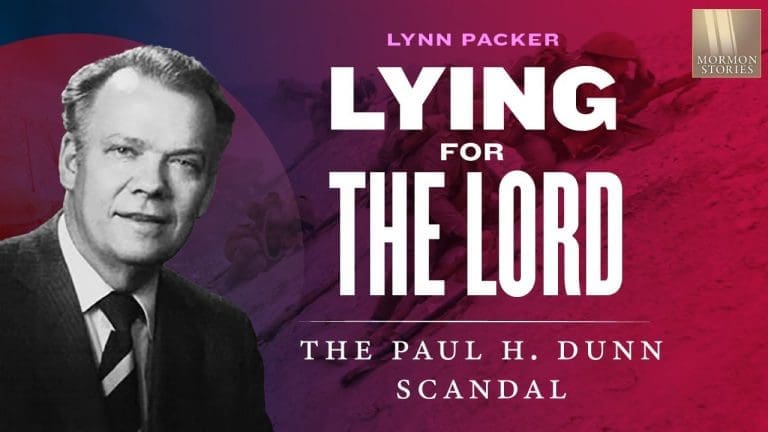 Lying for the Lord: The Paul H. Dunn Scandal Ep. 1363
 Mormon Bishop Resigns From The Pulpit | Ep. 1849
 Excommunicated for Disbelieving in Joseph Smith’s Polygamy – Karen Hyatt | Ep. 2096
 Currently-Serving Mormon Bishop Loses Faith in Mormonism: Zane and Tina Beard | Ep. 1790
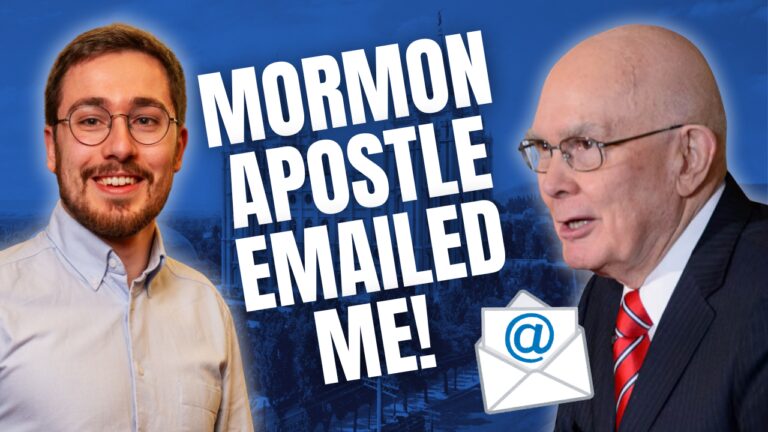 Mormon Apostle Dallin H. Oaks RESPONDS to Member’s Opposing Vote! | Ep. 1700