🚪 Deciding what to do
Stay, step back, or leave
An honest look at every option, and the practical matters: tithing, garments, temple, callings, records, missions, BYU.
At some point the question shifts from “is it true?” to “what am I going to do?” This is the page for that. It does not tell you the answer. It lays out the three broad options honestly, with what each costs and what each protects, and points you to the best case for each from the people who have made it.
First: you do not have to decide yet
Nothing about stepping back requires a decision. Your records can sit in the ward. You can attend or not. Many people live in the in-between for years, and some settle there. The pressure to decide quickly usually comes from other people’s discomfort, not from anything real.
Option one: stay
Some people stay because they still believe some of it, some because their spouse and children are there, some because the community is home and the truth claims were never the point. Staying can mean anything from full activity as a quietly nuanced member to showing up at Christmas.
What it protects: marriage and family peace, community, continuity for children, the parts of the tradition you love. What it costs: honesty, sometimes; a permanent gap between what you say and what you think; the interviews; the ceiling on how much you can say; tithing if you want a recommend. The best case for it: John wrote How to Stay in the LDS Church After a Major Challenge to Your Faith in 2007 while trying to do exactly this, and it is still the most-used guide of its kind. The Crucible of Doubt and Planted: Belief and Belonging in an Age of Doubt are the believing scholars’ versions. StayLDS is a community of people doing it. Faith Matters is where the expansive faithful conversation happens. Who it tends to work for: people whose ward is kind, whose family needs it, and who can hold “I don’t believe it’s literally true” and “I belong here” at the same time without it hurting. Our survey found, perhaps surprisingly, that disbelievers who stayed active reported higher mental and spiritual costs than those who left; go in with eyes open.
Option two: step back
Stop attending, stop the callings, stop the tithing, keep the records. No announcement, no resignation, no drama. This is where most people land first and where many stay.
What it protects: every option. You can go back, you can resign, you can attend your niece’s baptism. What it costs: the ward may keep coming; the bishop may want to talk; the “inactive” label from family; the limbo can wear on some people. Practical matters: Practical matters covers garments, tithing, the temple, callings, records and the rest.
Option three: resign
Formally remove your name from the records. Free, through QuitMormon, without a bishop’s visit or a council.
What it protects: a clean break; no more contact; no possibility of a membership council; for some people, an enormous sense of integrity and relief. What it costs: it lands hard on believing family; it is the one step that cannot be quietly undone (rebaptism is possible but public); and it can be done in anger and regretted for the tone, if not the substance. The best case for it: How to Leave the Mormon Church: An Exmormon's Guide to Rebuilding After Religion, which John co-wrote, is the manual. The General Handbook, chapter 32: Repentance and Church Membership Councils is the Church’s own rules on resignation, so you know exactly what you are triggering. Who it tends to work for: people for whom belonging to the institution had become a moral problem, and people who need the contact to stop.
Things that are true of all three
- All of them are reversible, including resignation. People go back. People who stayed leave a decade later. The decision you make this year is not the last one.
- Make it for your reasons, on your timeline. Not to satisfy a spouse, a parent, an online community or a podcast.
- Do not decide in anger. Anger is a stage; decisions made in it are usually about the anger. Wait until the wave passes and see if you still want it.
- Separate it from the marriage. Whatever you decide about the Church, decide about the marriage separately and first. Your marriage, and the mixed-faith marriage.
- Your children are not a reason to pretend. They are a reason to be honest gently.
If you want to hear it argued
1 Making Peace with Mormonism of the podcast is John, Margi and Natasha on making peace with Mormonism, whatever you decide. Mormon Transitions did an episode on staying active as a semi- or non-believer, and Mormon Stories has interviewed people who chose each path and were happy.
Stories on this
More → Mormon on My Own Terms – Olivia Calvert | Ep. 2049
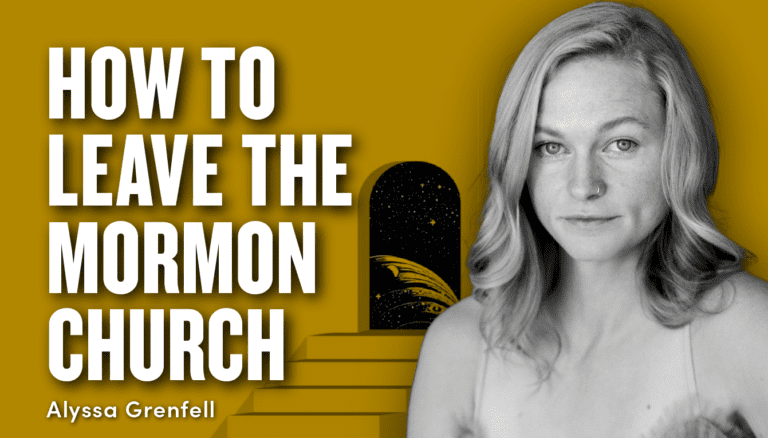 How to Leave the Mormon Church – Alyssa Grenfell | Ep. 1850-1851
 Mormon Church Finances Revealed – The Widow’s Mite Project w/ Radio Free Mormon | Ep. 1736
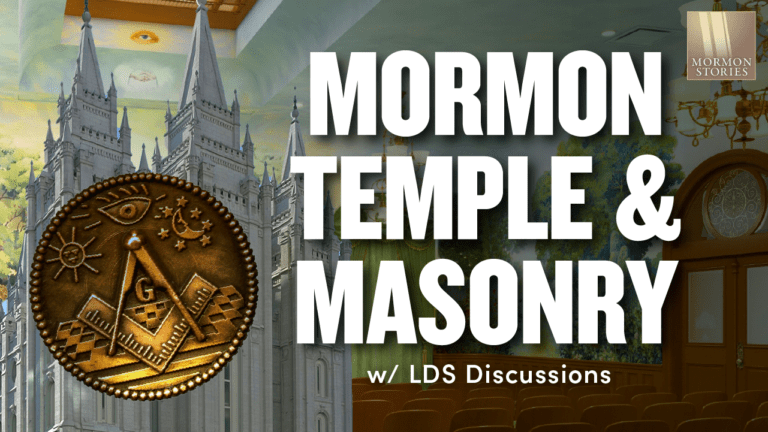 LDS Temple Endowment & Masonry | LDS Discussions 23 | Ep. 1669
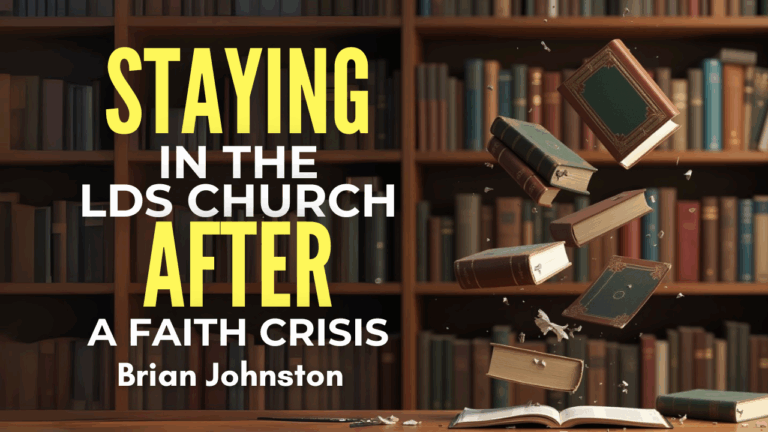 Staying in the LDS Church after a Crisis of Faith w/ StayLDS.com Co-Founder Brian Johnston | Ep. 141-142
 1414: Mark Naugle – QuitMormon.com
Resources for this path
The whole directory →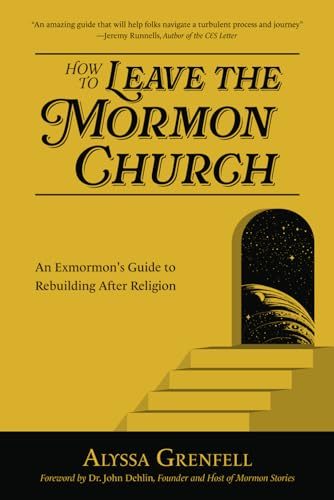
How to Leave the Mormon Church: An Exmormon's Guide to Rebuilding After Religion
Alyssa Grenfell and John Dehlin, 2024
The practical manual: deciding, telling people, protecting your mental health, sex, dating, politics, the first coffee. John co-wrote it.
Open · Bookshop.org Leaving and resigningFirst stepsPractical mattersIdentity

How to Stay in the LDS Church After a Major Challenge to Your Faith
John Dehlin, 2007
John's guide, written while he was trying to stay, for people who want to keep their family and community and lower their expectations of the institution. Still the most-used document of its kind.
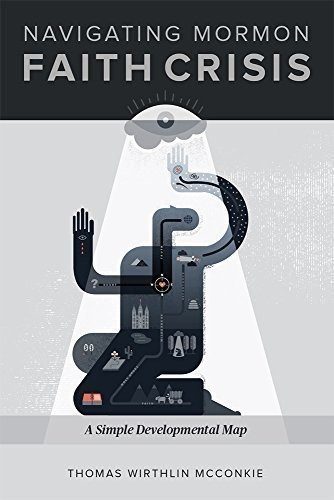
Navigating Mormon Faith Crisis: A Simple Developmental Map
Thomas Wirthlin McConkie
A stages-of-faith model from a believing contemplative. Helpful for understanding why your beliefs changed shape, whatever you do next.
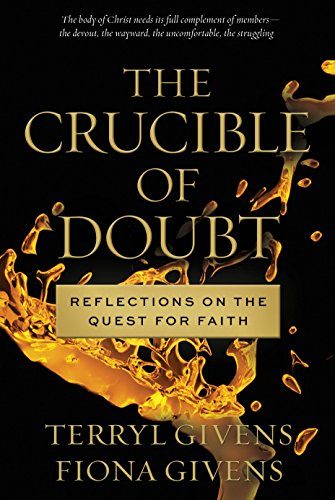
The Crucible of Doubt
Terryl and Fiona Givens
The most thoughtful case for faith with doubt intact. If you want to stay and need a way to think about it, start here.
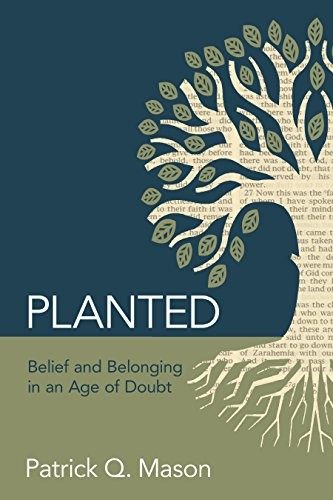
Planted: Belief and Belonging in an Age of Doubt
Patrick Q. Mason
A believing historian on staying planted while acknowledging the problems. Pairs with Crucible of Doubt.
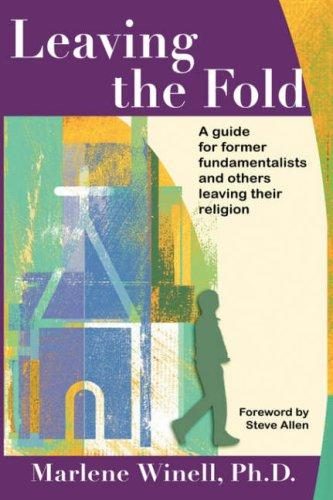
Leaving the Fold: A Guide for Former Fundamentalists and Others Leaving Their Religion
Marlene Winell
The book that named religious trauma syndrome. Not Mormon-specific and does not need to be.
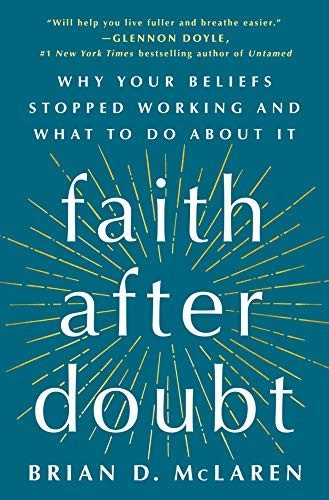
Faith After Doubt
Brian D. McLaren
A four-stage model of faith (simplicity, complexity, perplexity, harmony) from a former evangelical pastor. Many Latter-day Saints find their own story in it.


Faith Matters
Faith Matters Foundation
The most thoughtful "expansive" faithful voice: podcasts and gatherings for members who want a bigger, kinder Mormonism.
Showing 9 of 21. Filter the directory by topic.