For therapists and clinicians
What a Mormon faith transition involves clinically, the presentations to expect, the mistakes well-meaning clinicians make, and the research.
A client has come to you in a Mormon faith crisis and you did not grow up in the Church. This is what you need to know. It is written by a psychology Ph.D., a coach and a marriage and family therapist who have spent twenty years with this population.
The context
The Church of Jesus Christ of Latter-day Saints is a high-demand religion: it structures members’ time, money, dress (sacred underclothing), diet, sexuality, marriage, parenting and identity, and it teaches that it is either exactly what it claims or a fraud. Members who lose belief therefore lose a total system at once, and they often do so while still married to, parented by and employed by believers. Losing faith is not a choice they made; it followed exposure to historical information, typically the Church’s own published essays.
Common presentations
- Grief, often unrecognised as such by the client, for a worldview, an afterlife, a community and an identity.
- Anxiety, including compulsive research, existential panic, and social fear of the ward and family.
- Depression, especially where the client is isolated or hiding the change.
- Scrupulosity, religious OCD, which is common in this population and often unmasked by the crisis; ERP and ACT are the treatments of choice.
- Religious trauma: fear-based teaching, worthiness interviews in childhood, sexual shame, conversion therapy, spiritual abuse. Trauma-informed work applies.
- Marital crisis where one spouse believes and one does not, with sexual, financial and parenting dimensions.
- Sexual shame that persists after belief has gone, in both partners.
- Identity diffusion: the client may not know what they like or think, having never had to.
- Suicidality, which is elevated in this population, especially among LGBTQ clients, and which responds to treatment.
Mistakes well-meaning clinicians make
- Treating the religion as the whole problem and steering the client out. Whether to stay or leave is theirs; many stay for good reasons and need help doing it well.
- Treating the doubt as the problem and steering them back. Faith-based counsellors, including those advertised under “LDS/Mormon” on directories, sometimes do this, and clients leave therapy rather than say so.
- Underestimating the loss. “It’s just a church” misses that it was family, community, identity, sexuality and the afterlife.
- Missing the mixed-faith marriage. The spouse’s experience is a separate case and often needs its own clinician.
- Missing the children. Custody of belief becomes a battleground; the children need one message from two parents.
- Not knowing the vocabulary. Garments, recommend, ward, stake, bishop, temple, PIMO, “the shelf”. The glossary is a five-minute read.
What helps
Neutrality about the outcome, stated out loud. Grief work. Evidence-based treatment for the anxiety, OCD or trauma that is present. Couples work that separates the relationship from the theological disagreement. Connection to peer community, which the research finds carries most of the wellbeing effect of religion and most of the harm of leaving it. Permission to not be fine for a while.
Research
- Dehlin, Holley and McKeown, Understanding Mormon Disbelief (survey report) (2012): 3,086 former believers on reasons, costs and disclosure; summarised at What the data says.
- Twohig and colleagues including Dehlin, Acceptance and Commitment Therapy as a Treatment for Scrupulosity (paper): acceptance and commitment therapy for scrupulosity.
- Dehlin, Galliher, Bradshaw, Hyde and Crowell (2015), Journal of Counseling Psychology: sexual orientation change efforts among current and former Latter-day Saints, finding no benefit and considerable harm. Listed with the rest of John’s publications on johndehlin.com.
- Fenelon and Danielsen (2016) on disaffiliation and wellbeing; Lim and Putnam (2010) on congregational friendship as the active ingredient in religion’s wellbeing effect.
- The Mormon Mental Health Association and the Secular Therapy Project for referral and consultation.
Referral
If you would rather refer, the resource directory lists clinicians who work with this population, and Natasha Helfer, the podcast’s co-host, consults with therapists on sexual health in Latter-day Saint clients.
From the podcast
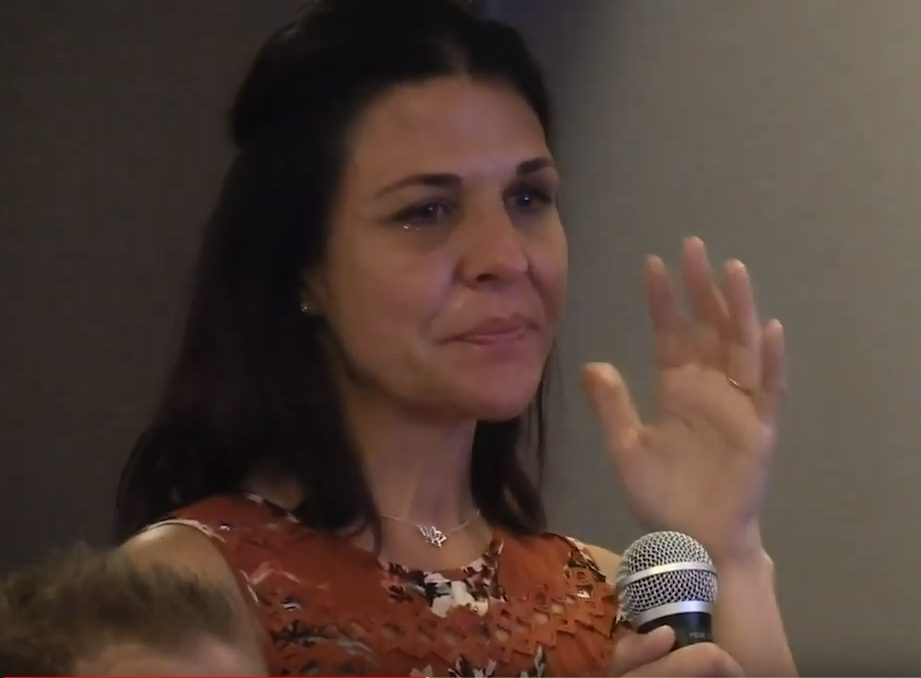
Fundamentals of Mental Health in a Religious Transition (August 2019 THRIVE Retreat)
Recorded at the THRIVE Retreat, 8/30 – 9/1/2019 in Salt Lake City, Utah – including the participation of ~40 audience members. Fundamentals of Mental Health in a Religious Transition Part 1: Fundamentals of Mental…
Stories on this
 Mormon Missionary Faith Crises and Early Return Pt. 2: Depression, Faith Crisis, and Suicidality | Ep. 644
 Mormon Church Discouraging Sex Abuse Victims from Reporting – Survivor Stories | Ep. 1644
 Overcoming Religious Shame and Scrupulosity – Marc Oslund | Ep. 1598
 Improving Mental Health After Mormonism – Jake Bellenfant’s THRIVE Story | Ep. 1566
 The Mormon Abuse AP Article and The Church’s Response | Ep. 1638
 323: Scrupulosity, OCD and Acceptance and Commitment Therapy with John Dehlin