The Gift of the Mormon Faith Crisis
Communicating with the Church Leadership, Ward Members, and Neighbors During and After a Mormon Faith Crisis
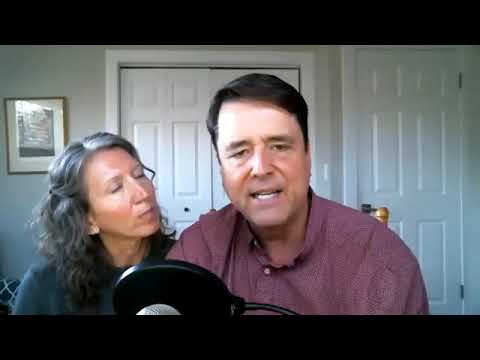
In a 2-part episode recorded on March 19, 2019, Dr. John Dehlin, Margi Weber Dehlin, and Natasha Helfer Parker discuss the topic of “Communicating with the Church Leadership, Ward Members, and Neighbors During and After a Mormon Faith Crisis.” We integrated comments from the community, along with your questions and comments. Some of the subtopics in Part 1 and 2 will include:
- The “private” approach.
- The direct approach.
- How to handle callings.
- How to set appropriate and firm boundaries.
- How to communicate with ward and stake members when you run into them after you no longer attend.
- What to do when you’ve been made a “project” at ward council.
On April 2, 2019, we continued our discussion around “Communicating with Church Leadership, Ward Members, Neighbors After a Mormon Faith Crisis.” Topics for Parts 3 and 4 include:
- How to handle Home/Visiting teachers and the new “Ministering” program.
- How to handle being discussed/gossiped about in ward council
- How to set boundaries with church leaders and ward members
- How to speak with church leaders and ward members once you’ve stopped attending
- And much, much more!
Part 1:

Part 2:
Part 3:

Part 4:

Part 1
Part 2
Part 3
Part 4
Watch on YouTube 1 YouTube 2 YouTube 3 YouTube 4
Transcript
Machine-generated and lightly edited. Each timestamp opens the video at that moment. The video is authoritative; check it before quoting.
Episode 18
0:19 John Dehlin Welcome to another edition of the Gift of the Mormon Faith Crisis. I'm your host, John delinquent. It is March 19, 2019, and do we have a cool episode in store for you. I'm Dr. John Delin, and as always, I am accompanied by my brilliant, awesome, sophisticated, charming, wise other half. Tell us who you are.
0:49 Margi Dehlin Margie Dylan. Glad to be here.
0:52 John Dehlin And joining us from Wichita, Kansas, home of Warren Buffett and the Koch brothers. Wait, he's in Omaha, Nebraska, home of the Koch brothers, Natasha Halpert Parker.
1:05 Margi Dehlin Home of Natasha Halper Parker.
1:09 Natasha Helfer I'm speechless. Understandable. Hello, everybody. I'm so glad to be here. We do have a great topic today. So. So, yes, happy to be here.
1:22 John Dehlin I forgot to mention the wise, brilliant, professional, experienced Natasha Alford Parker.
1:29 Natasha Helfer Thank you, John. I appreciate it.
1:33 John Dehlin Natasha, tell us what you do for those who are joining us for the first time.
1:37 Natasha Helfer Okay. I'm a licensed marriage and family therapist and also a certified sex therapist. I specialize in faith transitions and sexuality and all things that have to do with mental health. I don't specialize in all things that have to do with mental health, but I'm a mental health provider and offer a private practice and podcast that I'm part of. Mormon mental health podcast, Mormon sex info podcast. Lots of things I'm involved with and definitely love being part of this project. And you can find anything that I'm involved with@Natashaparker.org Love it.
2:13 John Dehlin Well, thanks for. Thanks for joining us, Natasha. We love having you. Tell us about you, My. My dear.
2:18 Margi Dehlin I am a certified life coach and I specialize in life transition work for people. I also am the curator of the blog beautyinthenow.org so you can check out all things Margie there.
2:34 John Dehlin Spell that for everybody.
2:35 Margi Dehlin Beauty in the now. B E A u T Y I n T H e n o w dot org. Wow. I feel like I need to practice that.
2:48 John Dehlin Yeah, you got to practice that. Wow.
2:50 Margi Dehlin It's like spelling bee. It's not even hard.
2:54 Natasha Helfer I love how your O is becoming a zero.
2:56 Margi Dehlin I know, right? Because I have to do that with our passwords sometimes in our computer. You make it trick. Yeah.
3:06 John Dehlin All right. And I'm Dr. John Delin. I have a psychology, a PhD in clinical counseling psychology. I can be reached at johndelinmail.com no johndelin.com or drjohndelinmail.com and I also take a small client base for people struggling in a faith crisis, working through a faith crisis, working through a mixed faith marriage, working through marriage conflict after a faith Crisis. I do coaching, not therapy. Even though I have a PhD and I'm trained and qualified to do therapy. I just do coaching. But I love it and feel free to reach out. Okay, so that's our individual introductions. Let's make sure and start with our mission and our message. So, Margie, do you want to, you want to tell our listeners what our mission is so that we can stay centered?
4:02 Margi Dehlin Sure. So our mission is to provide positive, practical and personal tips for navigating a Mormon faith crisis, or it's for those wishing to understand those in a faith crisis.
4:14 John Dehlin I love it. And Natasha, what's our message?
4:20 Natasha Helfer Well, we call this a gift, the Gift of the Mormon Faith Crisis, which we always try to remind people, both people going through a faith crisis and people supporting those going through a faith crisis, that it doesn't often feel like a gift, especially at the beginning. That's a big part of why we offer these services and this content and this weekly podcast. But our hopeful message is that it can, like a lot of trials or difficulties in life, it can end up really giving wonderful gifts in return. So new perspectives, new relationships, new ways of looking at the world. And it can really be, I think as mental health practitioners and coaches, we use a lot of reframe. So it's kind of like how do you think about something in a more positive way? And that's what we're trying to do here at the Gift of the Mormon Faith Crisis.
5:13 John Dehlin I love it. Okay. As some may know, we do provide some events. Our motive with the events is purely to help people. We have no other motive than that. And we have a few coming up. Natasha, why don't you tell us about the mixed faith marriage webinar, because that's coming up first.
5:31 Natasha Helfer Yeah. So we are going to be providing three nights of a live interactive webinar for specifically for mixed faith marriages. John has, you know, presented on this topic before, both with other professionals, and we've presented on it together. I just presented on it over Christmas break in Utah and got a lot of wonderful reviews. So we're going to kind of create webinar format and you can join us live for that. And it's going to be April 2nd, 9th and 16th, so Tuesday evenings, depending on what, I guess, time zone you're in. So it's going to be 9 o', clock, Mountain Standard Time, I believe. Am I correct that?
6:15 John Dehlin Yep. April 2nd, 9th and 16th.
6:19 Natasha Helfer Yes. And this will be interactive, but it also will be recorded. So if you can't join us on those nights, those Webinars will be available for purchase afterwards. But I just want to, you know, we'd love to have you join us as well. That would be ideal.
6:35 John Dehlin Yes. Lots of people in pain, and that's a very technical topic that requires expert advice. And I don't know anyone who's got more experience than Natasha with mixed faith marriages.
6:51 Natasha Helfer Yeah, I think that you are also very good at that topic. And yeah, I think most, both of us have been working in that realm for over a decade with people. So it's important, it's important to be able to have a setting where both partners feel very heard, respected, like they're gonna, you know, they're. Because I think a lot of times what happens is the believer will want to see an LDS therapist, the non believer will want to see a non LDS therapist. And for me, what I have found to be very, very important is you find a culturally competent therapist who can keep their own kind of bias out of the way. And we've done a very good job at doing that. I ask that question specifically in my evaluation forms and I always get very good reviews from both believers and non believers and people in between that they feel very safe and heard throughout these webinars. So please consider joining us. It'll be an excellent resource.
7:51 John Dehlin Amen. A couple other events coming up. Just really quickly. We are doing a monthly free series. I'm doing a monthly free series in Salt Lake City. We just had one last week on communicating with believing family and friends. In February, we did Navigating a faith crisis. April's event on April 10 is going to be rebuilding your life after a faith crisis. It's at the Community of Christ building in Holiday, utah, starting at 7, from 7 to 10. Please come. It's been wonderful. About two thirds of the people that attended last time attended the first time. So a lot of people, and that was on a really snowy day. So we know that people are getting value because they're returning. So plan for that. April 10th. We have other ones each month. You can check out the calendar, the Mormon Gift of the Mormon Faith Crisis Facebook podcast page. In addition, Julie de Azevedo Hanks and I are actually doing a mixed faith marriage retreat in Salt Lake City, April 12th and 13th. Julie is the daughter of Lex de Azevedo. She is, you know, she's married to a bishop. She faithfully attends and is a believer on some level, probably a bit more of a progressive level. But she and I did this event in 2017 and we know, according to several attendees, that we saved at Least a few marriages. This is something that Natasha and I would do regularly if we lived in the same town. That's not always possible, but I'm happy that Julie's able to do it, and I want to do it with Natasha as soon as we can. Workout schedules. But Salt Lake City, April 12th through 13th. Also, Natasha, do you want to talk about Kansas City April 12th and 13th?
9:38 Natasha Helfer Yeah. And I just want to put in a plug for Julie as well. She's a dear friend and colleague of mine, and I think she does excellent work. So Kansas City, come on, Midwesterns, we can do this. I'd love to have a Midwest workshop because, you know, so many times we have more attendees in the Mountain west or, you know, bigger cities like, you know, Atlanta and things like that. But I would love to have a workshop here in the Midwest for faith transitioners and their loved ones. So please consider coming. It's April 12th and 13th. We have several people signed up already. I'm still looking for a venue, so registration fees are waived if you would be so loving as to open up your home, because it can really lower cost if I don't have to pay for a venue. So that would be wonderful. And yeah, so tell your friends and family members that might be willing to come. Kansas City is close to Oklahoma City. It's close to St. Louis, it's close to Omaha, and there should be enough people just in the Kansas, Missouri area to support a workshop of this sort. So I'd love to have you come.
10:52 John Dehlin Excellent. And also, Natasha has one planned in Oklahoma City September 13th and 14th. So check that out. We're really trying to support the south and the Midwest with Natasha's presence there. And then finally, I'm really excited to announce that we're planning a conference called Healing and Joy after Mormonism in Salt Lake City June 7th through 9th. We want to cover several topics there, including navigating a faith crisis, having a healthy marriage, raising healthy kids, finding positive mental health and spirituality, healthy sexuality, etc. We want to bring Natasha in for that. We've already had several really cool people sign up. The whole focus is on just healing and growth after Mormonism, and it's going to be a great weekend. June 7th through 9th. June 9th. It's only $99 for the entire weekend. We hope to build community, help you find cool people to become friends with and to hang out with. So check it out. All these events you can register for at mormonfaithcrisis.com events, so please check them out quick. Shout out To a few new donors since our last session, shout out to Kendra, Whitney, Carol, Ashley, and Holly. All of them have joined us as new donors. And thank you for joining us. Kendra, Whitney, Carol, Ashley, and Holly. It's great to have support. If any of you are appreciating this content and valuing it, we would love you to go to mormonfaithcrisis.com click on the Donate button. Become a monthly donor, and that will help us be able to keep this podcast alive. We're happy with the progress so far, but we have a long way to go to at least pay Natasha and Margie what they're worth.
12:46 Natasha Helfer And you need to stop saying that because you need to be paid too. So all three of us, well, please
12:54 John Dehlin donate if you can. Okay, so normally also just if you can't support us with donations, you can like us. Our Facebook page, Gift of the Lord and Faith Crisis. You can give us a positive recommendation. You can share these episodes on your timeline and social media. You can give us a positive review on itunes or on YouTube. I don't even know if they allow that. You can email us, you can give us ideas, you can comment on Facebook when we put out queries for topics, and you can help us spread the word about our events and attend. So those are just ways you can help us out separate from becoming a monthly donor. All that is helpful. Now, we normally have a what's working section at the beginning, but we've decided to go ahead and put that at the end. And we have a very special what's working for you plan for the end. So we're gonna leave that as a teaser. How does that sound, Natasha?
13:55 Natasha Helfer That sounds fine. People will laugh at the end when they realize why.
14:00 John Dehlin All right, we've got a really special what's working?
14:03 Natasha Helfer Oh, no.
14:05 John Dehlin So stay to the. All right, so the big topic. Oh, by the way, I want to give a shout out to those who have joined us live on Facebook. Victoria from the uk. It's always lovely to have you, Victoria. Fred's joining us. Fred, we've incorporated several of your topics. Kerry, Lexi, Clarissa, Ryan and Jim and many others have joined us as well. I saw Dusty up there. Thanks for joining us. We're excited to have you. We hope you will share your comments and questions and experiences as we are discussing these topics because that will be also very helpful and engaging and valuable. I also want to say that I posted a few questions on several forums on Facebook just to gather tips and tricks and mistakes and stories, and so many of you responded. We're going to be reading several, almost, probably all or no, not all. 80% of today's session is going to be tips, tricks, mistakes and advice from people's experiences. So we're just grateful for those of you who follow either the Mormon Stories podcast Facebook group, the Thoughtful Transitions Facebook group, my personal Facebook wall, any of those are places where we normally post. If you're not a member of those groups, feel free to join them because that's where we're able to solicit. Stephanie and Jim just joined us. Welcome, Stephanie and Jim, and let's dive in because we've got a lot to cover today. So the topic is communicating with church leadership, meaning bishops or bishopric members or stake presidents, elders, quorum presidents, relief society presidents, whatever, communicating with church leadership, ward members and neighbors, particularly in Utah, specifically in Utah, during and after Mormon faith crisis. And it's a sensitive topic. You know, the best example I have is, you know, I get this email in December saying, help John, I'm a bishop, and how do I how do I get out of being a bishop? And how do I communicate this to the stake president, how to communicate this to the ward, to my bishopric members without destroying everybody's lives? How do I protect my family, myself? And that's an extreme example. But so many of you have, you know, when you're going through it initially, you've got to figure out what to do with your callings, what to do with tithing settlement, what to do with temple recommend, what to do with bumping into ward members, bishopric, etc. But you also, once you are, you know, need to get out of colleagues, need to say no to tithing settlement, need to maybe decline a temple recommend, how to do that, how to set boundaries? But then it even goes further. It's what if you go inactive or semi active and you find that you've been discussed in ward council or you've been assigned ministers to come visit you and that feels yucky, or you feel like a project or you're getting love bombed, how do you erect boundaries? How do you communicate effectively? How do you avoid, if you still want to open up the possibility of, if you're a man, baptizing your child or confirming your child or ordaining one of your children to the priesthood or whatever, attending a temple marriage or an endowment session with a close family member, and you want to keep your options open, how do you do that? These are all the types of things that we're going to be covering today. Natasha, is there any other, any other, you know, sort of Anything you'd add to this introduction to let people know what they're in for?
17:48 Natasha Helfer I think as you're presenting it, the only thing that's coming to mind is just making sure that people understand that faith transitions look very different for a variety of people. And so for some people, these things can happen kind of overnight or over just a few weeks, you know, where they want very clear boundaries or they want a separation. But for the great majority of people I work with, faith transitions are a slower process. And so they're still in contact with or active members of the church that are just less orthodox or less traditional, whatever word you want to use there. So they're still having a relationship with their ward and stake families. It becomes a little trickier and knowing how to navigate some of these things. So I just want to make sure that we're clarifying that we're talking about all of those types of transitions.
18:47 John Dehlin Yeah, absolutely. Did you want to add anything, Margie? We went through this as we got excommunicated and kind of had to figure out how to navigate the church. Even before, when we were liberal, progressive Mormons, we needed to find ways to communicate with people.
19:04 Margi Dehlin Yeah. And I think also for those who are in mixed faith marriages, there are boundaries that you kind of have to consider, too. When people are asking you about your spouse. Right. And you, Where's John?
19:18 John Dehlin Remember, you just get the Where's John?
19:20 Margi Dehlin You may not feel comfortable being placed in a role where you're speaking for your spouse. And so I think that's something we'll touch on, too. So, yeah, there's a lot to consider for sure.
19:32 John Dehlin And also, I guess it's important that we remind our listeners this podcast isn't just for people in a faith crisis. We're trying to make it feel comfortable and safe for family members, church leaders, if they want to do a better job of supporting people in faith crisis, of understanding that perspective. We want to make this podcast safe and comfortable for them as well. So we intentionally manage the content in a way to where we make sure everyone feels comfortable listening, maximize the audience.
20:05 Margi Dehlin Yes.
20:07 John Dehlin Victoria writes, this is so good. I wish I had this when I left. This will help so many people. Thank you to all of you for your help, advice, and wisdom. I'm so glad this exists. I'm so proud of you all, and I'm grateful to support you. Thanks, Victoria.
20:21 Margi Dehlin We're grateful. Right back to you, Victoria.
20:24 John Dehlin All right, well, let's dive in. We have a lot to cover today, so the first piece of advice that came to My mind is. I kind of have two approaches, the private approach and the direct approach. The private approach is founded on this idea that a religious faith crisis is private. It's your business. Nunya comes to mind, meaning nunya business in the east and in other places outside of Utah. People just would never ask you if you're. What church you go to or if you're active. And there's good human wisdom in that. So if it's true that it's private and also what we found, and we'll share some of the stories. There are risks in being vulnerable and open. I like to say this idea, don't give them rope to hang you. Meaning if you want to leave your options open for, like I said, ordinances or other things, temple work or. Or just not being a product of discussion and ward council, you don't want to give them the rope to hang you. By giving them information that could be used against you later or that could cause you to be viewed in a way you don't want to be viewed or discussed in a way you don't want to be discussed. It helps you avoid becoming a project. And yeah, so there are a lot of reasons to just hide it and not talk about it and be super private. And we're going to be discussing those in some of the pieces of advice for those who have already written in. So, Margie, what do you think, just as an overview of this approach? Do you have any thoughts about it?
22:28 Margi Dehlin A couple things that come up for me is intentionality, that you're very intentional in this process about who you share personal details with. And so, again, that idea of vulnerability, who has earned the right to see those parts of you and to hold those parts and really trying to figure out what level of relationship you have with the people that you choose to share with. So those are a couple things. This was definitely my approach, I would say, with regard to transitioning overall and, yeah, different strengths to, you know, different approaches. Not one size fits. All. Right.
23:14 John Dehlin Yeah. If I remember, you know, the idea of you talking to the bishop, you're like, he doesn't deserve.
23:20 Margi Dehlin Well, I had no relationship really with the bishop at all.
23:25 John Dehlin So you just had no interest in talking.
23:26 Margi Dehlin It was very functional. So it was like, if I had a feeling about being released from a calling, then my approach to the meeting would be very functional. It's like, I have something that you need to be updated on, and then I would boundary around that and just remember when questions were asked, it doesn't mean I have to answer the questions. Right.
23:43 John Dehlin You would have even maybe wanted to handle it over the phone or through email. I don't even think you would have wanted to give the time necessarily even show up. Isn't that kind of the level of distance you preferred from ward leaders?
23:56 Margi Dehlin Sometimes I tended to communicate directly, even if it was just with whoever was. If I was in young women's, with the young women's leader, or. But I tended to do it in person over writing.
24:10 John Dehlin Natasha, what are your opening thoughts on the private approach?
24:15 Natasha Helfer Well, I think that there's two things that get in the way of this approach. One is that, you know, like Margie just said, you know, just because a question is asked doesn't mean we have to answer it. That's really not something that we've been trained to consider as Mormons. So from a very early age, you know, starting with baptismal interviews at 8, then of course, all the young men's and young women's interviews, we are kind of growing up in a culture where you're kind of expected to go in and answer questions. And I think a lot of people growing up as members of the church just really don't even consider that boundary very much. And if you're going. And remember. And so the second reason why this, I think, is a problem is because, remember, I don't think faith transitions happen overnight for most people. So it's not like they've got it all figured out. And I know exactly where I'm gonna land. And therefore, now I know what type of relationship I want to have with the bishop. It's kind of. A lot of times people are going into their bishops and talking about these things because it's the first place they want to get answers. You know, it's like, why are these things coming up? Do you have answers to these questions? I have especially historical issues. Right. Or issues around polygamy. I remember even as a teenager going in and asking questions about polygamy to my ecclesiastical leaders. And so I think that those are the two things that kind of stand in the way of a private approach, is that people, first of all, aren't taught that privacy is a principle we should hold to. We're very. We're very principled around honesty and Mormonism. Right. And so honesty is seen as. It's kind of correlated with this idea that I have to answer questions honestly, which means I have to share what I'm thinking and feeling. And we don't really teach privacy boundaries, and that you can be honest and private at the same time. That's not A concept we're really trained to know. And then secondly, I don't think people oftentimes have given. Because faith transitions can happen through such a long period of time, it's hard to know how to even have these kinds of thoughts about how I'm going to deal with the bishop when maybe you've already talked to the bishop about a lot of things as part of your faith transition. Does that make sense? So those are the things I think stand in the way of the privacy approach.
26:33 John Dehlin Yeah, I think I've said Mormons feel comfortable checking to see what underwear you're wearing. They feel comfortable asking you behind a closed door where and how and how frequently you touch yourself. And I don't mean that to be disparaging. It's just the reality we, you know, other churches, those things may seem just kind of like normal to Mormons. In other religious traditions, those things would be viewed as deeply offensive. And you would just never, ever pay attention to someone's underwear or ask them if and how and how frequently they touch themselves or have a young boy or girl alone with a grown man in a room. And it's not to chastise the church. It's just to say we're a very high demand religion. That's true of Jehovah's Witnesses. That's true of Scientologists. That's true of evangelical Christians. That's true of some really conservative Catholics, just part of our culture. And so I think that's. I think you bring up a good point, Natasha. So a couple comments from our listeners. Victoria writes. Yes, Natasha, this is so true. It is important for us to know that we choose. We choose what we want to discuss and who we want to discuss this with. We have the choice. Yes. And she has a bicep emoticon on her comment. So it's empowering. Fred writes, and not meeting with him can be a powerful way to break that cycle of the bishop having power over you, your life and your decisions. That's so true, Fred. Just saying. Thank you, Bishop, but no thanks. I don't need to meet. That's one option you have. Let's see. Leandro writes, with how the church member structure is set up, it does not allow room for privacy in the sense that everyone's aware of each other's presence in the church, attendance and roles. Naturally, members, even those who do not know you well, will find themselves probing for information.
28:42 Margi Dehlin Very true.
28:43 John Dehlin That's so true. That's sort of the, where's your husband this Sunday? I haven't noticed him in a mega church with Joel Osteen and several thousand people, you're just never going to be missed or noticed. But in a church with 200 people and you attend over years and years and years, everyone kind of notices, and that also makes it harder. That's a really good point, Leandra.
29:05 Margi Dehlin And we'll be talking about that later,
29:06 John Dehlin actually, and the Bishop's council and other other sorts of things. Okay, so we have several people on Facebook or on Reddit who wrote in and made suggestions or shared tips, tricks or mistakes. And I'm just going to read through some of them. And Margie, Natasha, I want you guys to jump in and respond. Is that okay?
29:30 Natasha Helfer Yeah.
29:31 John Dehlin All right, so somewhat Neanderthal, which is from Reddit, the exwoman Reddit just makes the simple statement, don't talk to them. That was my approach anyway. Good luck. This is hard. That's just a very. But it's important for people to know that's an option, right?
29:49 Margi Dehlin Yeah. And I think it's really empowering for people, people to have the sense that they are deciding what type of relationship they want to have.
29:59 Natasha Helfer And I think it's also important to just say people have different relationships with different ecclesiastical leaders. Some people have very dear friendships and close relationships with their ecclesiastical leaders, while others, like, kind of like you said, Margie, with yours, it was more utilitarian or you didn't know each other as well at the same time. What I want to remind people about is that we have a rotating door of ecclesiastical leaders. You know, if your faith transition is going to be a 15 year process, which that's not uncommon, you're probably going to have, you know, three bishops or four bishops during that time frame. And so what you. And one thing I think is also very important to talk about in this kind of context of privacy is that we kind of stink at confidentiality in Mormonism. And so what's shared with one particular leader, you know, may be shared with the ward council and may be shared with their spouses. It may be shared with other leaders as know as the transfer of the baton is given. And so once information is out there, it's no longer, you know, it no longer belongs to you. And it can be used in ways that you wouldn't always anticipate. And that can be very painful and hurtful. And that's just a reality that we're dealing with. And this isn't, you know, as if there are ecclesiastical leaders listening. I mean, this isn't because I think ecclesiastical leaders are mean or want to Ruin your life. I just think people, we have an idea that people have. Different bishops deal with faith transitions in different ways. Some bishops are very loving, very inclusive, will give you callings, will be very flexible. Others will be very rigid and keep you from baptizing your child, keep you from attending the temple, keep you from the marriage of your adult child. And so these things have huge implications for family life, for mental health, for stability, for all kinds of things that people are dealing with on a day to day basis.
31:58 Margi Dehlin Yeah. In my coaching practice, actually back to kind of what Natasha was saying around boundarying kind of being this new language. Right. That we don't come by naturally. One thing I recommend that has proven really empowering and effective for people sometimes is we literally will look at conversations that they will likely have that they feel like are coming up, and we script them and they practice them. They practice the words they want to say. They can. They envision what will they be asked and how to. And doing that, for the most part, with warmth, with a level of, you're in a safe place. And this is how it works. And so that's something that can be very, very helpful given the fact that we're quite unpracticed at this idea, understandably, of what boundarying looks like.
32:53 Natasha Helfer And Juliet writes in, she says, dear friendship didn't keep our bishop from taking my spouse to lunch and humiliating him. The deeper the friendship, the more trauma when the leader calls you stupid or faithless. No, it can go surprisingly very wrong. And so, you know, when I said some people want to share because they're closer with their bishop sometimes, again, that sometimes can go very well. Sometimes because you have that kind of intimacy, people are more willing to share their negative thoughts about it, are more willing to kind of hold you accountable, are more willing to, you know, say, hey, this is not okay what you're doing. And that can feel very affronting. So I think Juliet makes a good point that don't just assume because the relationship is close that it's going to go in a relationally healthy way.
33:41 Margi Dehlin Great point.
33:41 John Dehlin So good, so true. So we have several people who've shared their experiences and we're gonna read through some of them. And some of these are positive, some of these are negative. And I think they illustrate most of the principles we've discussed. So Mikkel will go and Margie and Natasha will take turns reading these. Is that okay? I'll read Mikkel. So Mikhail wrote, it felt so violating. I had confided my faith crisis in a bishop and he was the first person I was open with about it. So I felt extremely vulnerable when I talked with him. I didn't realize that he would openly discuss what I had told him with my fellow ward members. Months after this, a friend in the ward let me know it was being discussed in ward council, and I felt sick. I knew I would never be able to trust a bishop again with any of my struggles. And it also made me feel like all the love I had felt in the ward wasn't real. Everyone's motive was just to make sure they didn't lose another sheep. After realizing this, I met with my bishop, and in tears, I told him I was done meeting with him. He seemed a little dumbfounded that I would feel like this was a violation of trust. He said he was sorry for how it made me feel, but not sorry he sought help from ward members. I don't plan to ever confide in a bishop again about my faith struggles. It's just too personal for me. And as someone who did six years of a PhD in clinical and counseling psychology and, Natasha, I know you'll be able to confirm this. Confidentiality is the first thing you're trained about as a mental health professional. You literally, before you begin any client relationship, they sign a waiver. You discuss overtly the limits to confidentiality, which include if you're gonna. If you say you're gonna take your life or you're gonna harm someone else, or you're aware of a child or a vulnerable person being harmed, that there are limits to that confidentiality. However, other than that, as long as you are, you know, 18 or above, you are assured as a client that everything you share, including the fact that you're even a client at all, will be held in the strictest of confidences. And for some reason, bishops, as far as I know, and stake presidents, don't get that sort of confidentiality training. What's been your experience, Natasha?
36:12 Natasha Helfer Well, and this is kind of what I was referring to earlier, this is not our structure. Our structure is even bishops who say, no, I take confidentiality very seriously. I would never share or even wouldn't necessarily share ward council. They still have the right to get counsel. And who do they get counsel from? Well, from their stake president and from an area authority, maybe, or somebody. And, of course, a lot of these things can lead to disciplinary councils, too, which are, again, inviting more people to know what's going on, because now they're going to have a role in whether or not, you know, your membership is going to have some type of you know, kind of consequence to it. So we really are not a structure. I can understand the dumbfounded look of the bishop because the bishop is part of the structure. That is not set up for confidentiality. It really isn't. The structure is get help from other board members, talk about families and ward council. Again, with good intentions. Right. We want to reach out, we want to help. But now people know a lot about your business that isn't appropriate for people to necessarily know at all, especially on such a topic that is so personal. I don't even know that we really understand that. Faith transitions are a very personal, confidential matter. So in other words, like, some people would say, well, I would never share that. Maybe a sexual, you know, thing with another person or like a rape or something. Yeah, I would never talk about that in ward council. Right. But quite frankly, faith transitions are very personal, very private, have a lot of implications. You know, a lot of people are related or have friends or work in a community where people may not even go to your business anymore if they feel like you're struggling with your faith. And if you're talking about that in faith council, like, how are we going to help brother so and so strengthen his faith? You have now messed with professional issues, possibly family relationship issues. It's intense. And I don't think that we really are set up for knowing how to deal with this correctly.
38:22 John Dehlin We're not. One of our listeners, John Curran, he just shared the following. Let me find it really quick. I'm lost on the comments. John writes, confidentiality was a joke with most of the bishops I spoke to. They outed me to other members of the ward, to their family members, etc. And I think John will be comfortable if I acknowledge that when he says outed, he means his sexuality, not just his faith crisis stuff.
38:55 Natasha Helfer I mean, that's a horrific faux pas. I mean, horrific. That's.
39:01 John Dehlin And yet bishops wouldn't necessarily be trained on that because there isn't necessarily training on that, right?
39:07 Natasha Helfer No. This is one of the big problems with the lay leadership is the tremendous lack of training when it comes to people's mental health, sexual orientation. Faith transitions, the most private aspects of our lives are dealt with by clergy. We're. You know, I used to think lay clergy was such a wonderful thing about our church. And as I really started to understand the role that people play in that role and the lack of training, I just really have done a huge turnaround in that.
39:41 John Dehlin Margie, why don't you read us Martine's comment? We love Martine.
39:45 Margi Dehlin I'VE not talked to any leaders about my faith transition. I have a good relationship with my bishop, but I've never felt a need to accept myself because as Karen Sundberg said, they don't own me. It's a nice feeling to realize that my husband is a former bishop of this ward. We're on the same page.
40:04 John Dehlin What do you think about that?
40:06 Margi Dehlin Yeah, well, I definitely, I mean, that's the way to go. And I think with this approach it makes sense, especially within the structure we're talking about where it's so high control and there's this enmeshment with information where it's shifting shared and it becomes, you know, something that lots of people know. And then before you know it, because of the high control that values us being the same, we're othered in an instant. It's just kind of a high cost scenario. So it's a very valid approach and
40:39 John Dehlin it's an empowered approach from our. For Martine, she still attends church, but I just like it that she's just saying it's, it's my own business.
40:50 Natasha Helfer Can I just say too, this is why if you're listening to this, and hopefully you are, before you start making some of these decisions, wise up front. Even though you may want to go and talk and consider things, and even though you may still be very active and have a calling, it can be very a wise approach to take this process slowly and maybe talk through some of these things with somebody who isn't as involved, like a coach or a therapist or somebody outside of the Mormon Church so that you can get some perspective before you start putting yourself in a very vulnerable position. If you don't mind, John, I'll talk about the next two comments.
41:28 John Dehlin Wait, wait, wait. We just got a comment from Gerardo and I think you're a perfect person to read and answer that one first. Do you mind?
41:37 Natasha Helfer No, not at all. So Gerardo says one of my friends in college started going to Family Services for counseling. And he told me they gave him a paper that said that if the ward was paying for the counseling session, the counselor was allowed to disclose any information with his bishop regarding the counseling sessions. The way to keep the counselor from disclosing information to his bishop was if he paid for the sessions out of pocket. What are your thoughts about this? So I, you know, I was a contractor for LDS Family Services at the very beginning of my kind of career. Well after, after drug abuse, then I went to LDS Family Services. And so I understand the paperwork that they're talking about here. And I'm not exactly sure how it's presented by all therapists. I'm just going to kind of give my perspective on this. They do have as part of their general paperwork a release of information for the bishop who is paying for the services, oftentimes. And that's presented kind of in generic fashion to the clients, which I think is very problematic. What clients need to understand is that they have a right to refuse to sign that paperwork, and they still should be able to have access to the therapy. So it should not be presented in a way that if you're not willing to sign this, we will not pay for your therapy. If bishops are doing that, then that should be placed. I would place a formal complaint to the state board if that is happening. That should not be how it's happen. I remember several people, you know, telling me they were not comfortable signing that. And I was like, that's fine. I would explain to them, you know, just like, you know, just like you can sign a release for your doctor, you can sign a release for your other therapist, you can sign a release for a school counselor, you can sign a release. And sometimes I actually recommend signing a release with a clergy member, especially if I want to be able to talk with the clergy member or feel like the clergy member could help, you know, be trained in some way that might be helpful. So I'm not saying that all disclosures with clergy member have. Are bad. And I've even done that with other faiths. But this kind of blanket, you know, that you should. And now the therapist. And I think some therapists do a better job than other therapists in this. I was always very careful what I actually shared with the bishop, you know, so I was like, they're making progress. They're making good use of your money. They're showing up to sessions, you know, things like that. I was not like, here's the details of everything we talked about, and I think some therapists maybe do that.
44:11 John Dehlin Folks can't assume that once you sign
44:13 Natasha Helfer a release, you've signed a release of information, and the therapist can kind of, you know, so they can be talking about your faith transition and things like that. So you have to be very, very careful when working with LDS Family Services to know your rights, to know what you're signing and to know the therapist perspective on what they're actually going to be sharing with the bishop. Most members don't know that. Most members, when I presented the paperwork, they were like, oh, of course, sign away. They didn't even question it.
44:44 John Dehlin It's a church, it's gotta be okay.
44:47 Natasha Helfer Yeah. We come from that culture. And I would be the one that would kind of pause. Now, remember, this is, you know, you don't have to sign this. But they'd be like, no, of course I'd want my bishop to know. Of course. Because again, there's not that sense of privacy because the bishop, in a lot of ways represents. Who represents God. Right. And so why would I want to keep anything from God? So when you have people representing God, this is where it becomes problematic.
45:14 John Dehlin Love it, Juliet. We love having Juliet join us. Juliet writes one good benefit for being outed as a faith transitioner is it helps others start looking into why. Not that it's legit or not that it's right. She says that's a side effect. That's some lemonade from the lemon of having been outed.
45:37 Margi Dehlin I think maybe a tablespoon of lemonade.
45:43 John Dehlin What else would you read, Natasha?
45:45 Natasha Helfer Well, and I'll just say that's also not necessarily great because when other people start looking into why usually in that process, that's not a happy oh, I'm so excited to look into why they're usually pushing back on you and very upset and confused. And if they're going to take out any of their feelings, it's going to be kind of on you. So even though that may be a benefit in the long run, if she wants to think about it that way, it can also come at a great personal cost in the process of that. Anyway, the comments I was going to read went back to confidentiality. Kalobian says, you know, never expect confidentiality with anyone in the bishopric. And Hiram White says, also understand that pretty much anyone who is in or around the office will pick up confidential information. I learned way more than I should have as an assistant financial clerk. Clerk. And I would absolutely second this. This is a huge problem. It just is. And I remember being in, I was Relief Society president and I was a counselor in several of the organizations. And I remember sitting in ward councils going, and this is in my very believing kind of more TBM days, even then thinking, I'm not sure that if the people we're talking about were present that a, we would be talking about them in the way that we are and secondly, that they would want us all to know this information and we're
47:18 John Dehlin going to cover ward council in a bit. But that's totally legit. Margie, why don't you read Luna Livelong, Lovejoy.
47:28 Margi Dehlin Okay. Even as a young women counselor, the young women president, I Worked under, who had a husband in the bishopric, used to divulge all sorts of really sensitive stuff to us as a presidency, always under the guise of caring for our girls and their needs. But it left me shocked and disgusted. Like, wasn't that supposed to be confidential? Basically, if any of our girls had ever been on church welfare or confessed to a sin, I knew all about it. Sometimes I knew about their parents sins too. That never sat quite right with me and taught me to never say jack stuff to our bishop, ever.
48:05 John Dehlin I just edited.
48:07 Margi Dehlin That was good, babe. Just write. Yeah, I have definitely, I think amidst some young women meetings, felt that level of discomfort as well. Feeling like I was hearing things that I shouldn't be hearing.
48:24 Natasha Helfer And it's a whole different topic when you're talking about the youth. There's like. Because there's this. I mean, already as adults, we're being treated kind of as perpetual adolescents. But with the youth, they are adolescents, and so their information is not treated private at all. Especially when it comes to sexual indiscretions or things like that. If one party confesses, the other party is brought in, whether or not they even wanted to confess. I mean, there's all kinds of stories that are so just really problematic when it comes to boundaries of our teenagers. Really, really problematic.
49:01 John Dehlin Now, just to be clear, are you saying that teenagers are more fair game because they're minors or they're less fair game because they're minors?
49:09 Natasha Helfer They're more fair game.
49:10 John Dehlin No, but what, in your opinion, what should it be?
49:13 Natasha Helfer Less fair game?
49:14 John Dehlin Right, right.
49:15 Natasha Helfer Less fair game, but they're more fair game because, you know, they're minors. We see it. We all kind of like parent them. So we all see ourselves, you know, especially the leaders, as part of their parenting paradigm. And we take, you know, I think, rights that we don't have. And I think. And I think the actual parents are okay with that because, again, it's part of our structure. It's kind of like the ward is raising the kids right. And so a parent will oftentimes bring their kid, even against their own wishes, to a bishop for a confession or things like that. And if kids are going through faith transitions, which many times they are, that has huge implications for their social status, for how they're treated in the ward. Dating possibilities, mission possibilities, all kinds of issues.
50:07 John Dehlin Emily writes, same thing happened to me in young women's presidency. That's referring to the previous comment. Amy writes, I've learned way too much confidential information just by attending ward council, also by living next door to a gossipy Relief Society president. Yeah, There just needs to be ward training. You know, there's so many things that the church cares about that they want to control, like, you know, tea and coffee or, you know, live chastity stuff or modesty. What if there was the same level of concern and even punishment around gossip and respecting people's privacy?
50:50 Margi Dehlin Mm.
50:51 Natasha Helfer And I can say that I did not receive one iota of training on confidentiality as a Relief Society president. Not one. I had that training because of my profession, not because of the church.
51:04 Margi Dehlin Yeah. And I would even add, I like the idea of providing support, emotional support. If leaders are going to hold, you know, the pain of members or parts of their story, or they're going to be asked to hold that, I like the idea of providing them emotional support to do that. And spaces that, you know, reinforce that confidentiality so they don't have to go to the neighbor and start talking about it or to other places.
51:36 John Dehlin Love it. Okay. Margie, why don't you read Angela?
51:41 Margi Dehlin The one mistake I wish I could change was answering too many questions. I thought I was speaking to a friend, someone I could trust. She asked so many questions to gauge where I was, and I answered honestly, openly and kindly. However, she went to the bishop and I was shunned by the ward. It was horrible. I wasn't quite at the point of walking away yet and was pushed out. To sum it up, don't overshare. That's painful.
52:07 John Dehlin Good advice from Angela. Sorry for your pain, Angela. I'll read no engineering and then, Natasha, you can do Karen. No engineering from the ex Mormon Reddit writes. Early on, I took the approach of state the issues to my bishop. He proceeded to respond with phrases like, it sounds like you are trying to convince me and I'm not sure that's accurate. Meaning Joseph Smith marrying other men's wives. I finally realized that this guy had no idea of really any of the historical issues and had no idea what the church essays even were. This was in 2017. Also, say editorially, less than two years ago. He writes, I would not engage with any church leader unless they were aware of the issues. It is completely pointless in my opinion. However, it did validate the severity of the suppression of information by the church. But. But the information has always been there. Anyway, that was a sarcastic comment. Anyway, he writes, I guess a more accurate term would be the pushing of a false narrative rather than information suppression. In any case, my bishop had no idea Stake president had a very poor understanding and had never heard of the second anointing. It was a waste of time and I shouldn't have met with either of them. But on a positive note, it was validating to me that the issues were ugly and the church doesn't like discussing them. So again, another vote from no engineering around not discussing in the private approach. Natasha, why don't you read Karen?
53:43 Natasha Helfer Well, before I go there, I would say this has been my experience as well, is that you go in wanting to talk about, you know, real issues, doctrinal issues, you know, historical issues, and the person who you're meeting with may have zero idea about what is happening. We had a bishop as well that was not aware of the gospel essay topics, which is put out by the church itself. Right. And so it's very difficult to have these conversations. And for those who are listening, who might be believers or again, ecclesiastical leaders, you have to understand that it's not that people are necessarily wanting to convince you or wanting to change your mind about ideas. At the same time, this information is out there. So if you're not aware of it or if you don't want to be aware of it, you're going to probably be dealing with some level of tension or conflict as people are really struggling with this information and trying to make sense of it for their own perspectives. And in families and in ward communities, it's hard to have conversations that are really kind of open about faith transitions if we can't really even look at our own history. So it's a struggle. And I think that the church in some ways is trying to open up the history, but in other ways it still keeps it very tight lidded. And then I think that, you know, the ironic comment that no engineering was making is this idea that when the information is out there, because it's out there, oftentimes the blame gets put back on the faith transitioner. So that, you know, people are like, well, that information has always been there. Why is it bothering you now? But the reality is that that's not our lived experience. Our lived experience is not that the information has been forthcoming. So it's another way to victim blame the faith transitioner. And that's a real problem that we have going on in our culture. All right, so Karen says they are not.
55:34 John Dehlin Can I just jump in? Yes, and I'll just. Thanks, Natasha. I'll just add that we had one of the church historians, I think it was Snow, who admitted that the church has intentionally not publicized the gospel topics essays. They are in the apps now, the mobile apps. And you know, there have been some bishops that have been made aware of them, but they've never been mentioned in General Conference as far as any of us know. And they basically admitted, Elder Snowe admitted that they don't want to infect members and especially leaders with the virus of doubt and questioning. And so they wanted them to be available on the website for plausible deniability for people who really need or want questions answered. And even then, limited information was given and you had to click more and more and more to be able to get the full essays. That's true today. And even the essays themselves are viewed as lacking context, as whitewashing, as being incomplete or inaccurate. And so, yeah, the way the Church handled the essays, on the one hand is a real positive step forward. On the other hand, they've intentionally, they continue to intentionally withhold the information from most of the membership because they were in this double bind of wanting to be able to say that they've shared it, wanted to be open with it, but at the same time not wanting to infect the membership. And that's the bind that the church leaders are in.
57:05 Natasha Helfer I agree and I think that we have to get over that idea that information infects. Information is information. We're just gonna have to deal with it one way or the other. I think unfortunately we're having a backfire effect when the information isn't shared. That's not gonna actually help the church in the end. So I'm sad to see that. Alright, so Karen says they are not clergy, they are not even counselors, and in many cases are not even nice guys, especially general authorities. Many are disliked by their own families and employees. They will not keep a confidence like real priority professionals. Be careful what you tell them. Also remember, they have no authority over you, only what you give them. I will echo and emphasize, be very careful about meeting with a general authority. They are in their position because they are successful, usually wealthy, powerful men. They don't care about you. So this is, you know, obviously a more negative framing. And this is where I would like a 4me in front of these statements. For me, these are things because I don't think this is how everybody feels about general. And I think general authorities themselves are complex creatures that I, you know, I probably hesitate to just call good or bad or evil or wonderful. I think that people are complex and that includes our general authorities. At the same time, I think Karen's making some really good points here. I think the point of authority is really the issue. And somebody mentioned stewardship. I forget who it was on the. It was Emily Walker. She says it's concept of stewardship and stewardship equals no privacy. And I think that there's something really important for us to consider that people in authority, because we are a top down system, can have an impact in your life that you did not see coming, such as taking away your temple recommend, such as, you know, having advice for your spouse that oftentimes, especially in mixed faith marriages, I'm continually shocked at how many times a spouse will tell me that a bishop or a stake president encouraged a divorce because of a mixed faith relationship. That is just shocking to me. And again, when we come from the context, because again, faith transitioners are not just all of a sudden, not in Mormonism, right. And can say, oh, I've got authority and I don't have to believe what you say. We are coming from a place where we have been taught to trust and to see these people in authority as having their best interest for us and also for having stewardship, which means they have the right for revelation for us. And so even if you're in the midst of a faith transition, that can be a very confusing space when you feel like, I don't know that I really want to divorce my spouse over this, but my bishop just, you know, maybe has insight that I don't have. Because we're not really taught to trust our own volition over church authority. We're taught to trust church authority first. And that's an invitation I would like to offer anybody who's listening anywhere on the belief spectrum is to really start challenging that because I don't even think it's a very Mormon concept at all. So I think it's a really unfortunate concept and cultural tradition that we need to abandon quickly.
1:00:20 Margi Dehlin Love that.
1:00:22 John Dehlin This will be the last comment that we share from this topic about the private or the closed approach. It's from seven places. And Margie, I want you to read it and I'm curious what you think about it.
1:00:34 Margi Dehlin You don't owe anyone an explanation of your beliefs that includes yourself. Just let yourself change over time without having to decide exactly what you believe or explain to anyone what you believe.
1:00:47 John Dehlin What do you think about that? Saying you don't even know yourself an explanation?
1:00:50 Margi Dehlin Yeah, I love how process oriented that is and how kind because I think it is a process that takes time and you know, sometimes in trying to pin it down or to explain it away, it does. It has the potential to complicate things for ourselves and for our relationships.
1:01:12 Natasha Helfer So I love this comment. I think it's so antithetical to how we function as Mormons, because we want to know. Right. And. And just because you were a believing Mormon doesn't mean that you still don't take that process with you and you're spectruming. Right. So now I want to know what I believe now. And this really opens up this idea of ambiguity and ongoing journeys and processing and that we don't need to land in any one space just yet. And why I think the conversations with the bishops can be extremely difficult because there isn't a lot of room in active Mormonism to have ambiguity in order to get the temple recommend, in order to have the calling, in order to participate in certain things. You kind of have to have a certain level of surety in a lot of these ward cultures. And so it's really complex. But I agree that that would be a wonderful way to approach life is with ambiguity.
1:02:07 Margi Dehlin I agree. And that loosening for me. I know amidst my Mormon transition interview, I talked about how belief was more of a distant idea for me, just not as useful in my day to day amidst transitioning as it had been when I was really largely identified with being a church member. So I kind of, I love that as well with that part of the statement and even building on what you were saying, Natasha, this idea that, you know, amidst transitioning and beyond, there are just mysteries. There are things we'll like. I am comfortable saying that there are plenty of things I don't envision ever knowing. There are just mysteries to being alive. And I am fully comfortable with not knowing oftentimes and living in a mystery of like, huh, Yeah, I mean, I wonder how that really does work.
1:03:08 John Dehlin I love it.
1:03:10 Natasha Helfer I want to share a comment from Emily really fast just to, you know, be a witness to what we were talking about. She says, that happened to me six years ago when my husband left the church. The first thing my bishop told me after meeting with my husband was that I should leave him if he ever prevented my activity in the church. I think he was trying to be supportive, but looking back, it is appalling that this was his first piece of advice. And I agree, agree really good people doing really horrific damage.
1:03:40 Margi Dehlin Yeah.
1:03:41 John Dehlin Amy writes about the risks of talking to your bishop. She writes, I avoided speaking to my bishop for more than a year after my faith crisis began. Then it was time for my son to be baptized. My husband is still in the church, but was told he couldn't confirm my son because he didn't have a temple recommend. My husband explained he only didn't have one because he was behind on tithing that's only because I wouldn't let him pay. I was furious and went crying into the bishop's office and outed myself, hoping only to save this mess I had created for my poor husband. I was told by some that they would never withhold a temple recommend from a man based on his wife not letting him pay tithing. So I thought I could change my bishop's mind by being honest. Wrong, she writes. This is sad, and I laugh sometimes at sad things. Apologize, she writes. He told me, meaning the bishop, that my husband should be able to stand up to me and fulfill his duties to the Lord. He then went on to give me horrific advice on how to work my way through this crisis I was in. I spilled way too much and regretted it the second the words left my lips. Bottom line, bishops don't have the answers to your questions. There's no good that can come from opening up to them ever. Which again, that's the for me, I'm hearing Natasha say for her, that was her experience. Kristin Gluth Cranny writes, that's awful. She's so sorry. Thanks for joining us, Kristen, and for sharing empathy for Amy. We're so sorry, Amy, that that happened to you.
1:05:15 Natasha Helfer It is awful. It is awful. And this really shows the bishop's roulette on these issues because I've had many people that do have the experience where a bishop will completely honor if one person isn't comfortable with tithing, the other person isn't held responsible for that, you know, and the marital unity is prioritized. And then you have these stories that happen just as often and it's really, really horrible. And that just, you know, it's a very patriarchal view and seeped with the toxicity of patriarchy in this idea that men should be able to control their wives. Faith journeys. My goodness, what's Mormon about that? My goodness.
1:05:54 John Dehlin You don't like the bishop telling, saying that the husband should stand up to the wife. You don't like that?
1:06:00 Natasha Helfer No. And that's been said about me and my ward. So I guess I'm particularly upset about that one that hits a personal chord where, you know, my husband has been told that it's interesting he can't keep me in line.
1:06:13 John Dehlin Emily writes for a happy ending. She says, luckily I ignored his advice and now my husband and I are stronger than ever. So that's a good outcome. So we're happy for you, Emily.
1:06:24 Margi Dehlin Yes.
1:06:25 John Dehlin Okay, well, the next so that's the first big topic. And now it's time for the second, which is the Direct approach. And the direct approach is just being honest, open and transparent, as you mentioned, Natasha, that's one value, right? There are many values we can have, including a value of privacy, a value of self preservation, a value of safety. But you can also have a value of openness and honesty and transparency. Often this comes from sort of a missionary zeal that we come by honestly as active throughout orthodox Mormons, we want to be as zealous, as open and transparent as doubting, questioning or post Mormons. Sometimes we also just believe in honesty. Sometimes, as a listener mentioned previously, we feel like, I think Juliet mentioned this, that there's an altruistic motive to speaking openly to everybody so that they can also become aware of the problem. So sometimes it comes out of a motive of wanting to spread the awareness or the joy or the information or the pain, whatever it may be. We often just want to share it. Some comments made just in the opening that this works best depending on how invested you are in any particular outcome. Did you want to mention that, Margie?
1:07:50 Margi Dehlin So I felt like that was important to add. I also think if you are not attached to other people who might be invested in that outcome, so relationship wise would be important as well. Because once you do that and the information is out there, we often can't control, of course, what ensues systemically from there.
1:08:14 John Dehlin So if you've got a great financial job that's not dependent on the church, if you're not worried about word getting around, if you've got a lot of confidence in people gossiping about you or spreading rumors, and if you're not concerned about that affecting your spouse or your kids, if you have a spouse and kids and you just can stand boldly in your truth and there's really no fear, I can see how the direct and that's an extreme example, but that certainly can be an environment where the direct approach could be a little bit more palatable, less problematic, and we're going to have other people share why they took a more direct approach. But obviously there is a benefit in managing the story and not allowing other people to write your narrative for you. It can alleviate ambiguity so that people know exactly where you stand. Those are all potential benefits to the direct approach. Natasha, did you ever want to comment about this direct approach before we actually read some of the stories?
1:09:21 Natasha Helfer I think the only thing that I'll say about the direct approach is that again, we don't want to just assume that directness means I'm no longer believing I have this idea that these things are wrong. Or these things are not true. Like the direct approach can make room for a lot of nuance. So I'll probably be reminding us about how that looks along the way. So I just want to say that because again, not everybody goes from like believer to non believer. Right. So.
1:09:50 John Dehlin No, most people don't. Most people. It's a multi year process.
1:09:53 Natasha Helfer Right, right. And even. And will stay involved in a nuanced believing state for forever. Even. So I guess what I mean by that, just to give a quick example is I remember one time somebody asking a question, well, how do you answer? Do you sustain the leaders honestly? Again, that principle of honestly. And one gentleman raised his hand. This was in a faith transition workshop we gave John together at Sunstone. And he said, I answer that very well. I sustain my leaders. I tell them exactly what I think is wrong about what's going on. So that was his. He could answer that in his own mind, honestly, but with a twist that some people might see that as dishonest. Right. And so I just want to make room for honesty being something other than just literal, you know, 100% it is or it isn't these things. Because honesty can be rift with ambiguity and nuance as well.
1:10:53 Margi Dehlin Mmm, I like that. So you're. What I hear you saying is you're kind of keeping us away from binary thinking.
1:11:00 Natasha Helfer Right. Because I think that you, you know, like I remember, you know, feeling, especially with temple recommend questions. And I know we'll get to that, so I don't want to necessarily just jump into that, but a lot of people feel like they have to say yes or a no on it in a very literal way to some of those questions or even tithing. You know how we pay tithing? I'm a full titer only if I pay a certain way. Whereas I think that you can be honest and have a direct approach with ways that are more creative than that and not feel dishonest in that process.
1:11:31 John Dehlin I love it. So we're trying to develop some flexibility, right?
1:11:34 Natasha Helfer Yes.
1:11:36 John Dehlin Very, very good.
1:11:37 Margi Dehlin Yeah, thank you.
1:11:39 John Dehlin Okay, so as we jump into this kind of open approach and the pros and cons, the direct approach, I'm going to read something from Anthony Miller. Anthony Miller is a prominent voice in the progressive and post Mormon Facebook communities. I believe it is in either Wyoming or Montana. Just a super wise, thoughtful guy. And
1:12:04 Natasha Helfer he lives in Montana, by the way.
1:12:05 John Dehlin He lives in Montana, Yeah. And Anthony, we're trying to get him to speak at our, at our Thrive conference in June. He writes great stuff and I just pasted a couple links to his stuff in the live feed because he's got a great blog where he's written out a lot of the a lot of thoughtful things that he has to share. But I'm going to read a little bit of Anthony Miller's writings here. Anthony suggests as you're contemplating your direct approach, he writes, understand your motives when considering if or how much to share with family or friends or ward members, I'll add, I consider what is my motivation? Do I just need boundaries and space? Is it more about me and my desire to provide reasons or justifications for my unorthodoxy or for my sabbatical? Is it because I desire loved ones to mourn with me? Is it my desire to be understood and accepted by them? Do I feel a need for them to understand what I have experienced and concluded because I want to be validated by their reaching the same conclusions in case I am making mistakes? Is it because I really want to understand their points of view and how they deal with the mess? Is it because I don't want to be judged, shunned or even banned by not participating in something like a temple, marriage or endowment due to my change in beliefs? As you consider these questions, know that unless they are able to unpack some of the things on their shelves, it is nearly always counterproductive to get into the weeds of the messy issues with them as we used to do. They have likely interpreted their spiritual experiences as God giving them certainty of subject matters, doctrines, rituals, practices, behavioral norms and standards, and the divine inspiration and discernment of church leaders. Then when they encounter something that may cause them to question or that causes them dissonance, they are practiced and skilled at putting those things on the shelf with faith, same as we used to. So Margie, what do you think about Anthony asking us to really look inside and analyze our own needs and motives before we take that direct approach?
1:14:26 Margi Dehlin Yeah, you know, the first thing that strikes me is this actually works for both approaches. I think these are wonderful questions that we all can ask so that we're quite self aware with regard to where we are in our own process and what we're really seeking and why we're wanting to have conversations. So that's what kind of strikes me is this is just a beautiful way to kind of get to know ourselves, period, no matter what approach we want to take.
1:14:58 John Dehlin Natasha, what do you want to add? Anything?
1:15:00 Natasha Helfer Just I agree and I just again, I wish that we had like, you know, we could hand this to every person right at the very beginning Right. Of faith transitions. And the reality is that I just know from experience that probably people who are listening to this may have already made decisions before they have access to this type of information. So a lot of times it can be hard to know how to step back or how to correct or repair things when things maybe have already gone a certain direction that was unanticipated. So I just wish we had these in a manual or something. You know, like imagine if the church had a manual for helping people around faith transitions. It was actually not just self interested, right? So people would have this kind of information right from the get go.
1:15:52 John Dehlin And I'm sure they will offer that someday and I'm sure it'll be based on our work, at least partly because that's kind of how it often rolls.
1:16:00 Margi Dehlin But you know, I love that point though, because given that given all the great resources that we could put out there, there's just no stopping the fact that this process is difficult. And even with the best, you know, kind of tools at our disposal, we're also unpracticed at a lot of the things that all of a sudden come to the forefront that we will need to navigate this. And so I really love, I feel like we should say it almost every episode, you know, this kind of self, we're easy with ourselves, we're gentle with ourselves. That where we realize that, you know, the goal is not perfection. The goal is never to, you know, to avoid all conflict or that we're going to be these, you know, stellar navigators where there's just no problem. And because I feel like that sort of, I don't know, it seems to fuel that narrative that we're responsible for how it goes and if we're prepared enough, it will all work out. And so just a big old dose of self compassion in this journey that it is tricky for the best of us, for those of us who really tried to prepare and do everything right. And so just love to you all, you know, as we're all just trying to do our best in really tricky places at tricky times.
1:17:24 John Dehlin That's love from Margie to all of you.
Episode 19
0:19 John Dehlin Natasha, can you read Tristan Lawrence in the comments page on the document?
0:27 Natasha Helfer Yes. Okay. So my husband and I were fully active when we decided that for the sake of our kids and authenticity that we would leave. Up to this point, nobody really knew what was going on with us. We struggled mostly privately as we negotiated church history and testimony and so forth. When it was time to leave, he was the Young Men's president and as such was in all of the ward council meetings and had been for several years prior. We knew how it would go down generally, except maybe our leaving was bigger because we were a big active family and Ken was the Young Men's president. Not causing a huge splash was important to us. So we created a spreadsheet of people that we should tell personally. All members of the Ward Council were on there, as well as several people from the stake that I was working with. About two weeks out from our clean cut, we started setting appointments and my husband would go to their homes and give them the heads up that we were going to leave. We said it was for a while, but we knew it was for forever. We didn't want to make it too big of a deal. He explained our issues with church history and doctrine and that we weren't offended or leaving because we wanted to sin. I think it went pretty well. They didn't talk about us in the last few ward councils he sat in, but when we officially left, we left for good. And I know it was talked about it quite a bit, but because they were all informed and have been spoken to personally by us, I just don't think it could flame as hot. That was super helpful. We do know when we come up, there is an occasional flare of Mormon activity in our life, but the kids and I have our records removed. Just occasionally my husband gets a spiritual invitation to come back, but nothing too serious. We did incidentally lose a lot of friends. And of the few that we didn't lose, only one or two have made me feel like a missionary project. And those people I ended up cutting ties with due to that fact. Hope that helps.
2:15 John Dehlin That's kind of a very methodical approach from Tristan. What do you think about that, Natasha?
2:21 Natasha Helfer I think for some people this can be really empowering. Again, kind of taking ownership of how they want to go about the process. It sounds like they were a large family, they were very invested in this community and they wanted to leave on their terms and this was kind of them coming up with their terms. I've had, you know, I had a friend who was in a mixed faith relationship. And she was the believer. And so she called all of her closest friends in the Relief Society and had a special lunch for them. And she kind of explained what was going on in that lunch just to kind of let them know this is what she needed and boundaries and what she was hoping that ways that, you know, they could help. So there's lots of ways to kind of formally talk to people, set up boundaries, tell them what to expect. And I think in some ways you avoid a lot of questions that way you avoid a lot of inappropriate meddling because people kind of got to hear the story, right? They know what's going on. And so there are benefits to this. But again, what's interesting about this particular story is that they went with the private approach for a long time. Right. So he was acting as young men's president for a long time. They didn't talk to the. He would have probably been released. Right. Or it would have been. If he would have gone straight to the bishop right at the beginning of his doubts, he may have been released. It might have been a very different story. So they took the privacy approach first and then they took the direct approach when they were ready as a couple to decide what they were going to do with their membership. It's kind of like a hybrid, right? Of both.
4:06 John Dehlin That was a great comment from Tristan. Thank you, Tristan. We love it. Let's go to Stacy on our Facebook live feed.
4:16 Margi Dehlin So I used quit Mormon to resign and my three kids found out from their friends at church before I did. I used it as an opportunity to be completely open with them about it. They felt bad for the friends that were so close minded more than they felt bad for me. I've been upfront and honest with anyone that has the nerve to ask. It's been a good approach for me.
4:36 John Dehlin Thank you, Stacy, for sharing. All right, let's keep going. Let's go to Rachelle. Natasha, do you want to read? Let's see. No, Margie, why don't you read Rachelle?
4:48 Margi Dehlin Okay. I informed my bishop in one paragraph through email that I was done with church, a brief explanation of why I no longer believed, and to please release me from my calling. He invited me to come have a meeting with him and I respectfully declined. I'm glad I kept things short and simple. I didn't have any sort of previous foundation of friendship with my bishop, and I didn't want to feel obligated to talk to him because of a position that he held that I no longer believed in. I'm glad I saved my Energy for the conversations with close friends and family. Those conversations are exhausting. Agreed. It felt liberating to feel like the church and the title of the bishop had no hold over me. Beautiful.
5:32 John Dehlin So what do you think about Rochelle's short and sweet approach?
5:36 Margi Dehlin Short and sweet? I kind of feel like, yeah, this is also a hybrid of kind of one and two. That kind of idea of scaling. Right. Because she was definitely short, sweet, direct with the bishop, then was also kind of private enough and kept it short and succinct enough that she prioritized those relationships that were more personal to her. Love it. I love that type of intentionality and strategy. Beautiful.
6:06 John Dehlin Thanks, Rachelle. I'll do Ambitious Rice and then you can do Leo. Natasha. Ambitious Rice. This is from Facebook Reddit. You always know with the weird names, it's. Sorry, it's the ex Mormon Reddit. Ambitious Rice writes out, write out a script of what you want to say. Just the act of getting out the words is incredibly helpful and lessened my anxiety around these conversations significantly. And then when you get texts you can just copy and paste for in person encounters, I basically just said all of the same things that were in the script. Know that you don't owe them anything. You have the power to choose what you want to discuss and with whom. Let go of trying to change everyone's minds. People who are not ready to accept the new information will shut down when you try to get them to see your perspective. That element, and this is John speaking now, that that perspective of acceptance of not having expectation as to how or even if your acts will be responded to and certainly not expecting to have any influence over people just seems really healthy.
7:18 Margi Dehlin I agree. And I do love the idea of if you're having anxiety around certain situations, you might consider scripting or if you find yourself in perpetual repeated situations that you don't know what to say, try and work out something that's really short and succinct and that kind of honors what you want to communicate and consider doing that. It's a great way, I think that you can approach those oftentimes just very uncertain situations with some type of plan.
7:53 John Dehlin Natasha.
7:54 Natasha Helfer Yeah, I think that along with this, I want to share. Megan Sayers on Facebook says, I went honest all the way. I wanted my family and everyone to know, know the church's history. Turns out they didn't want to know. Now I'm just an apostate sister and they still, after sharing why I left, still think that I was offended. So this kind of goes to this idea that you can't just because you say things right? Kind of like what Margie was saying. Even though you plan it out, even though you script it, you can't control how other people are going to respond to your story. They're going to have their own story about your story.
8:29 Margi Dehlin Right.
8:30 Natasha Helfer And, and so acceptance is a huge part of this. I want to remind people too that we did several podcasts about communicating with family leaders and we talked a lot about vulnerability and acceptance and some of these things that if you haven't had a chance to listen to those, I'd really encourage you to do that. Because even though now we're talking about more clergy and ecclesiastical leaders, a lot of that kind of stuff still, you know, transfers over to these relationships with the clergy and the ward members in your life.
9:03 John Dehlin Love it. Okay, Leo, do you want to read Leo? Natasha Yes.
9:10 Natasha Helfer So Leo says, I have openly discussed my faith transition with my bishop, the first counselor in the Stake Presidency, who is a friend and whose first counselor in the bishopric. I was for almost five years, my wife and another concerned female friend. I consider myself a self imposed disfellowshipped member at the moment as I never offer prayers in sacrament or in classes. I don't make any comments or read any scriptures in classes either. I assume that most members heard of my situation in ward council and from gossiping as no one ever asks me to offer a prayer or make a comment or read anything in classes with the exception of the sacrament meeting conductor asking me to say the invocation two weeks ago, which I declined. I respect my ward members current doctrinal paradigm and they mostly respect mine except when they give talks. So basically I became invisible. So this is an interesting perspective because on the one hand, he's driving. What he's talking about is kind of an empowerment position. Again, he's driving the decisions. Instead of waiting for some type of disciplinary action or for people to say, you can't do this or you can do this. He's kind of deciding ahead of time how he will engage in his ward community. Again, this kind of goes to what I was talking about at the beginning. Many, many people, and I hope again, everyone can listen to this, especially believers and ecclesiastical leaders. Many, many people sitting in our pews and sitting in our wards have some type of faith transition going on and are not necessarily in the same place as you are. So how do we make our, you know, areas of worship hopefully comfortable for all who want to attend? And I don't know why Leo continues to attend, especially when he become, you Know feels invisible. But I'm guessing there may be a relational component there, like maybe his wife or children or things of that nature. So it's still valuable for him to be part of this community that his family is a part of. And that's a reality. How do we make room for those people in our ward communities?
11:15 Margi Dehlin Mm.
11:17 John Dehlin All right, let's go to Jeff. Jeff writes, we moved into a new ward. I resigned, but my wife and children still attend. After a month or so, I met with the bishop, gave him a brief description of why I left, but then set clear boundaries. No one on one interviews with my children, no chastity discussions with my children. Friends and neighbors are welcome to come to our home, but no, no one in a ministerial capacity is. No giving my children callings without my consent and so on. Let them know that you're in charge, that you want to get along and have good community relationships and what the rules are for interacting with your family. Our bishop is a good person. He genuinely wants what's best for me and my family. We're never going to agree about what is best. We can disagree respectfully and amicably, though he's tried to respect the boundaries. We had a new young women's leader come over to teach my daughter. I gently reminded him that was out of bounds. New leaders come and go. He's got a lot on his plate and he can forget what we've discussed. Mormon leaders are going to make mistakes, but having an open dialogue helps resolve frustrations and misunderstandings. I try to look at his and other ward members motivations when something happens that bothers me. Are they trying to offend me? Are they trying to be disrespectful? Usually they're just trying to do what is right, even if they can be misguided. So when conflict arises, I give the benefit of the doubt and calmly discuss the issue. I love it.
12:52 Natasha Helfer I love this.
12:54 John Dehlin Yeah. It's direct, it's got boundaries, it's clear. But it's also having empathy for their position and a more practical approach, recognizing that you're not. It's not going to be able to just be one conversation, then you're done. You're going to have to gently and tactfully re educate and remind them, especially as leaders forget or change.
13:17 Margi Dehlin Yeah. And one thing that strikes me about that comment is that it's definitely. It seems like an approach for someone who is still finding value in their association with the church as well. Right. It would work best when you're getting something because then you have the energy to do the boundarying. You're very, very motivated.
13:37 Natasha Helfer Well, it sounds like in this particular situation this is a mixed faith marriage. And we talk a lot about this in mixed faith marriage. And we will in the workshop coming up as well, is how important it is to be very intentional about how you co parent in a mixed faith marriage. And so that you do have to, you can't just plug into the system, right? You have to kind of be intentional, you have to be repetitive, you have to meet with leaders, you have to really take a very active approach so that both parents boundaries and concerns are being addressed.
14:14 John Dehlin One of my favorite humans, Roger Hendricks, who has an epic 10 and a half hour interview on Mormon stories, he's joined us. He's a former mission president, CES instructor, et cetera, et cetera, Stake presidency member. Bishop Roger. Hey, Roger. Roger writes, and he's a youth fan. Roger writes, I used soft words like sabbatical and evolving as opposed to using words like leaving inactive or lost my testimony. And I'll add editorially, much to Roger's consternation, in my title of his Mormon Stories podcast episode, I wrote how a mission president lost his faith because I was trying to get eyeballs. But Roger never liked that and I respect Roger for that. So he avoided that sort of framing and instead he says he has lunches frequently with present and past leaders of the church. Roger writes, I'm open to open discussions with members of the church. Once they know your positions, they calm down. So, Roger, we're super glad you've joined us and thank you for sharing.
15:20 Natasha Helfer That is a great example, by the way, of what I was talking about at the beginning of this point, which is nuanced language. Still, honest doesn't mean, you know, even when you use words as sabbatical, even though maybe you're intending to leave, that's giving a little bit of information at a time. It's still an honest approach. It's not conflicting with your values of honesty. So you can be strategic and be careful about your words and how you're framing things in your own mind without necessarily laying it all out there in a very direct way. So still direct, but less direct, if that makes sense.
15:56 Margi Dehlin I love that too, because there's some openness in that language where even at that time you may not know where you're headed or what you're going to inevitably decide. And so I use that language a lot in coaching too. Words that are more like needing space or as opposed to. And it really is, it can really frame the conversation differently because it feels different. It feels kind of just safer, calmer, not an emergency. It's just a way of conveying a message where communicating the communication is more readily accepted and connected to. Do you agree?
16:42 John Dehlin Yes, I do.
16:44 Margi Dehlin Okay.
16:46 John Dehlin Eric writes a sad story, but it's something people should be prepared for sometimes.
16:52 Margi Dehlin So be ready to lose family and friends. My cousin who was my bishop, has basically disowned us. We used to go fishing and camping all the time, but now they're just another acquaintance I pass in the street like everyone else. I live a mile from him. I have discovered new friends and have reconnected with Nevermo family. I can honestly say I have never been happier in my life.
17:16 John Dehlin And we're so sorry, Eric, that religion has come between you and your cousin.
17:22 Natasha Helfer It's really tragic.
17:24 John Dehlin It's super tragic. I think if we had one mantra, it's pretty relationships over beliefs. And I interviewed my mom on Mormon Stories podcast just last week and that's kind of how it ended. She said she's never going to let a belief or theology or doctrine come between her and any important relationship, even though she's a believer. And that was a great example of a faithful woman who puts relationships over beliefs. And Eric, we're sorry that happened to
17:55 Margi Dehlin you and your second dad. Don McCulloch was an amazing example of that, having been a bishop and he was always about loving people before letting a belief kind of stand in between relationship. Love that.
18:10 John Dehlin Absolutely. Natasha, do you mind reading Jared in our document?
18:15 Natasha Helfer Jared says, I know it's different for everyone, but I think it is important that everyone actually does sit down with at least their bishop and or stake president and tell them exactly what is going on and that they are leaving the church for X, Y and Z reasons and just be loving and kind. But tell them sometimes the bishop and stake president are not going to be kind and loving and sometimes they will. But I feel like too many times people just drift off and the leaders just assume they are inactive. And I think it would be beneficial if they knew exactly how many people are leaving for truth reasons or social reasons or whatever it might be. My bishop has been amazing and kind. My stake president, on the other hand, has been anything but loving and kind. So I think this is a really interesting point. Again, I think it puts it in the binary. If people leave or don't leave, I think there's a lot of people in the middle. So this doesn't necessarily apply for the many faith transitioners that are still attending, still nuanced, still you Know, kind of meandering around in the ward community. And again, I think it's a very personal decision. I think this is a correct opinion for Jarrett to have, and it definitely is what's working for him. I too, would like the church to be aware of the things that, you know, people are leaving about. And there's great research. Jana Reese just came out with a great book about some of this stuff. And I know, John, you've done research on why people leave. I think the church is aware of some of these things and are becoming more and more aware of it, even though they're not necessarily talking about it the way we would want them to. But I understand where Jared is coming from. And at the same time, I always want to make room for people's privacy, personal journeys. And some people are just not comfortable sharing things that are private for a variety of reasons.
20:04 John Dehlin Brian writes, address LDS leadership politely by their first name. When you are ready to make the break, it instantly puts them on notice. You don't regard them as anything special beyond other people in the neighborhood. And then toxic rock syndrome, again from Exmorman Reddit writes, I call the Bishop Bob. That way he knows I have no extra respect for him. He's just another neighbor to me.
20:31 Margi Dehlin This is actually important for some people.
20:33 John Dehlin You don't hate that. I was wondering if you were gonna hate that.
20:36 Margi Dehlin No, I think, you know, again, person to person. Right. As Natasha is saying, but for some people, and this has come up with sister so and so, or referring to people as sister and brother. Well, that for some people, making those steps allow. It just allows for more space away from that paradigm. It's a communication tool. But it's also psychological, I think, for people to say, no, I no longer. I don't look at you in the same way anymore. And so I'll communicate in the way that I actually am viewing you now. And I think there's psychological, you know, kind of benefit or a shift there, as well as just kind of utility in communication.
21:21 Natasha Helfer Yeah, I think language matters. I think this can be an excellent boundary tool for many people. And at the same time, I'm also one that a strategy can be also be. When in Rome, do as the Romans do, right? So that I might, in a Jewish hall or something, call somebody rabbi, even though I don't give them that authority over my life. So again, I think going back to those initial questions that you shared from Anthony Miller would be a good way to kind of question, what is it about my intent? What do I need in my life? To either go with the flow and kind of do as the Mormons do, or do I need to create some distance there to help me feel more psychologically kind of independent and give a message of a boundary.
22:05 John Dehlin I remember when my bishop or my stake president, Brian King, was excommunicating me. I refused to call him president. I call him Brian, and he didn't like that. And I always felt like I was kind of doing it out of anger or out of spite or, you know, out of disrespect for the process, but it was abrasive.
22:25 Margi Dehlin Well, I also feel like psychologically there was so much in that process that you couldn't control. That that was. And there was so little you could do in those moments to really petition or that that was. That kind of shows what you had at your disposal, and you used what was at your disposal.
22:47 Natasha Helfer You don't have much in that position, John. I think that that's a righteous anger, if anything. Yeah, let's reframe.
22:55 John Dehlin You guys are so validating. Natasha, do you mind reading? Adrian?
23:02 Natasha Helfer No mistakes. I feel like the learning curve is getting better. Right. When TBMs ask why I no longer attend, I'm very careful to consider who I am speaking with when giving a precise answer. My go to answer is, it's not my fault that I wasn't taught the true history of the church. It's not my parents, teachers, leaders fault that they didn't know the whole narrative. Sometimes I end with, I have a testimony of the truthfulness of the gospel as I understood it when I was a child. But I have since learned a new history that I cannot reconcile. So that's a nice direct way. And I, you know, and there's also some indirectness here too, with that nuanced language. Like, I have a testimony of the truthfulness of the gospel. That's something that a lot of people could say and mean a lot of different things. That's what I mean by using language that benefits you, given the relationship you want to have with your ward. Because, you know, for me, the gospel means love. It means, you know, following Christ's example. I know people who are atheists and still feel very comfortable about following Christ's example. Right. As far as what he stood for. They may not even consider him a literal person that existed in the history of mankind and yet would still feel very comfortable saying, I believe in Christlike qualities. So this is where you can use honesty and privacy to be indirect in giving yourself power within the community that you're still wanting to engage in.
24:30 Margi Dehlin Nice. That's a great insight.
24:32 John Dehlin Do you want to read Leandra's comment?
24:36 Margi Dehlin So Leandra said unrelated. I love John and Margie's body language. You can tell you guys are really a close couple. Gives hope to us going through a faith transition.
24:46 Natasha Helfer And not to mention that every time I speak, they're all kissy, kissy and lovey lovey, and you guys don't even see that. So I'm having to, like, consider all my thoughts while I'm watching all of this lovey process. Thank you, John and Margie, for that.
24:59 John Dehlin We would never privately kiss while you're talking.
25:03 Margi Dehlin I don't know what you're talking.
25:04 John Dehlin That is. You're making that up.
25:07 Natasha Helfer I am honest and direct.
25:10 Margi Dehlin Look at you go.
25:12 John Dehlin Thanks, Leandra. Leandra is kind of, I think, newer to this crisis. I think she reached out to me at some point. And we're really glad you're with us, Leandra. My buddy Roger follows up. He says, thanks for sharing my thoughts. One additional thought. Words like inactive, lost, etc. Are words used to shame and control. I'm trying to create a new vocabulary that is more appropriate in a larger society.
25:37 Natasha Helfer Love it.
25:38 John Dehlin Roger's so thoughtful. Roger is one of my most thoughtful friends on the planet.
25:43 Margi Dehlin Language matters.
25:44 John Dehlin Roger, join us every week. All right, all right.
25:49 Margi Dehlin We're going to move to control and
25:51 John Dehlin expectation for Roger because Roger has nothing better to do. We know that. Okay, let's. Kyle, my buddy Kyle, who runs an amazing podcast called Latter Gay Stories. It's basically the continuation of Gay Mormon Stories podcast. Check out Kyle Ashworth's podcast. It's amazing. Let's read two quotes from Kyle. Margie, why don't you read the first one?
26:18 Margi Dehlin Okay. I've dealt with church members on a scale from Gandhi to Marie Kondo.
26:22 John Dehlin Now wait a minute. That doesn't seem like extremes, right? Because Marie Kondo isn't evil. Right.
26:30 Margi Dehlin She is not.
26:31 John Dehlin Okay.
26:32 Natasha Helfer But anyway, she is lovely.
26:34 Margi Dehlin I had one former ward member send me a PM before she unfriended me on Facebook. She acknowledged that I was a good person and a wonderful young men's president. But remaining friends with me would not give her the ability to avoid the appearance of evil. Wtf?
26:50 John Dehlin Haha.
26:51 Margi Dehlin When a person leaves the church, an enormous hole is left. It's up to us to replace that chasm with the things that bring us happiness, progress, and joy. If not, dust, debris, and trash will fill the void, and we'll be required to once again rid it before we can grow again. So how do I deal with church Members on my own terms. I invite them into my life and they can choose to come in or not. Their choice.
27:17 John Dehlin Strong words from Kyle.
27:19 Natasha Helfer Yeah,
27:21 John Dehlin let's read Kyle's other comment right here.
27:26 Natasha Helfer Okay.
27:27 Margi Dehlin Concerning the lack of attention a faith crisis gets in wards, I wanted to share a quote from David Oster.
27:34 John Dehlin Oster.
27:34 Margi Dehlin Oster.
27:35 John Dehlin Or maybe Osler.
27:36 Natasha Helfer Osler.
27:37 Margi Dehlin Osler, yes.
27:38 Natasha Helfer Who was a previous. I think a previous bishop, if not still a bishop.
27:43 Margi Dehlin Okay. He wrote this. In my personal experience and through the data I collected from stake and ward leaders, through interviews and surveys, I know most leaders aren't addressing these concerns. Only 2% strongly agreed that their stake and ward provides training to leaders about faith crisis. Only 1% strongly agreed that their ward leaders know how to effectively minister to individuals in a faith crisis. When given a long list of possible responses to address faith crisis, 54% responded they were not addressed in any way in their ward.
28:20 John Dehlin And if we're going to be compassionate, obviously the church has money to fix this problem, and they even have apologists and curriculum that could fix this problem. I genuinely just think they're scared. They don't want the virus to spread. And if they allow this to be talked about, I think their fear is that the virus will spread and the virus of doubt will infect people. And so they have to. It's just a delicate, tricky mouth. What do you think, Natasha?
28:48 Natasha Helfer No, I agree that that's their concern and fear. And yet everything I know about systems theory just kind of says that that will backfire on them. I think that they'd be much more successful by taking, you know, other. Other means to this, to this issue. Now, there have been other churches who have taken other means. The Community of Christ is an example, and they have suffered, I think, great loss of membership at certain times in their. In their history when they try to recorrect issues and they've learned from their mistakes. I think that we could benefit from being advised by other churches who've had to deal with similar things. We're not the only church that has historical issues or that has some of the things that we're dealing with. And I think we could be doing a much better job and still retain people and still. And actually be more welcoming to the nuanced parts of our communities.
29:47 John Dehlin Natasha Leandro writes a specific question that we think you'd be great to answer. She writes, I am working with a small group of women, about 10 total, who are trying to find balance. One of the women is dealing with her spouse, overly controlling everything as the priesthood Holder. What is a good approach for a female approaching the priesthood holder in her life, husband, father, or even bishop? And in this episode, we're focusing on priesthood leaders at church. We're taught to honor them and submit to them all our lives. And now we need to stand up and have our own voice. There seems to be an unspoken equality issue that prevents us as women from feeling confident in talking to those men in our lives. Natasha, what would you say to Leandra about how to talk to priesthood leadership when we've been conditioned to defer and to veil our faces as women, you know, and to respect and obey?
30:46 Natasha Helfer And you're expecting like a one minute answer to this. This is like its own podcast, I think.
30:53 Margi Dehlin This is its own, like an episode for sure.
30:55 Natasha Helfer I think. I really do think that this would be a good episode.
30:59 John Dehlin Okay, I'll write that down.
31:00 Natasha Helfer Yeah, I really do. Because I think the issues of gender, particularly for women in our patriarchal society, the huge part of faith transitions. What I'll say just really quickly is one, I think you need professional help to help you understand boundaries and so, you know, so that you have some scripts and some ideas to go into these kinds of settings. The second tip I will give is use the Mormon language that we have that actually addresses these issues. There's a lot of Mormon language and scripture talking about unrighteous dominion. And I think that that can be a really good way to start having these conversations in a respectful way, boundaried way that this, you know, this isn't helpful and isn't really part of our gospel.
31:48 John Dehlin Leandro writes woot. And I think she means that this would have its own dedicated episode. And I'm just gonna take vacation that day. I'm gonna let you, Margie, you and Natasha do that episode. I'm gonna go to Spitz and have a sandwich.
32:04 Natasha Helfer May. Let's even bring in some other powerhouses, Lisa Butterworth and Julie d' Azevedo and maybe have like a panel discussion on that. I would love that.
32:12 John Dehlin That'd be great. Did you want to add anything for Leanne, for Leandra?
32:17 Margi Dehlin You know, I was just thinking a little bit about the natural shifts, the kind of ripples outward that come from changes of an individual person amidst transitioning. And I think this is something that can, you know, be an opportunity. It presents as maybe an initial tension in marriage as the. The spouse, the female becomes more empowered and sense and more sensitive around power and equality and things there. It does feel like there's this opportunity and renegotiation that needs to take place as to, you know, what, what we want the marriage to look like, what we want it to feel like. And so there's a great opportunity there. And it also, I feel like it's something we see a lot of, but it can present its way as, like, deeply. There's a lot of anxiety, I think, around it. There are a lot of deep wounds, I think, that come up around it. And so it can feel quite jarring and painful.
33:22 Natasha Helfer Well, like we've mentioned before in other podcasts, keep it relational. Start off with the sandwich approach. You know, like, I really care about our relationship. The reason I want to talk with you about this is because I want to be able to trust you and be closer to you. And. And that's something you can say to a bishop or stake president or somebody that you're working with in your ward community. These are things that matter to me. The church in some ways has been addressing the importance of listening to women leaders and inviting them to be part of more leadership types of communities. So you can use a lot of, again, the Mormon language around this to have that common denominator, to really have similar goals. Focus on what you have similar values on, find your common denominators and work up from there. But understand that as a Mormon woman, you probably don't have a lot of great skill set on this because you haven't been taught how to do this. So that's why I mentioned the professional
34:19 John Dehlin help and to give the church credit. And you guys tell me if I'm wrong. I don't want to mansplain anybody. The church seems to be doing better in 2019 on issues of gender and patriarchy. The recent changes to the temple ceremony where women are no longer coveting to their husbands as the husband's covenant to God. You know, the hearkening stuff, the veiling the face, even trying to have female auxiliary leaders more prominent, you know, having them sit up on the stands during general conference, having female missionary leadership. A lot of the credit goes to the strong feminists and women ordained Women Wear Church the Pants Day. All the progressive Mormon feminists that have been fighting in the trenches. It seems like that's paying off to some degree. Natasha, is that. Am I crazy? Am I.
35:16 Natasha Helfer You know, I would say yes and yes and Right. So a big opportunity that the church really tends to have a pattern of missing out on is the apology part and really owning the damage that they've done along the way. And I think that they would be much more successful if they could, first of all, give credit to the people who have been in the trenches, who brought these issues to their attention, many of which are progressive, or even people who have left because of the pain involved in having to do something that's so out of the norm, out of that conformity bubble that we're comfortable with. And then secondly, just acknowledging, yeah, we've made some mistakes and we're sorry, and we get that we haven't been doing as good of a job in gender equality. Plus, not to mention that we're still a patriarchal system. We still do not have women who have the same voice as men in our church leadership. So until that changes, there's really. I mean, yes, we're making progress and we're taking steps in the right direction, and it is a definite incomplete process that many of us are still struggling with on a regular basis.
36:25 Margi Dehlin I so, so agree with that.
36:28 John Dehlin I love the yes, and
36:32 Natasha Helfer I really like it. When I practice my own stuff, then I feel like, okay, see, I can do it, too.
36:39 John Dehlin I love it. Okay, so I think we've covered the direct approach. What do you guys think? Lots of good comments. Lots, you know, lots of gratitude for everyone so far who shared both prior to the episode or live on Facebook. Let's move to the next topic. That is callings. We all are aware that in Mormonism, there's a general cultural understanding that you don't turn down callings, that you accept every calling. And many people begin experiencing their faith crisis while they're in a calling. In fact, they might be in a stake High Council, they might be in a Relief Society presidency, they might be in Elders Quorum presidency or even a bishopric. Young men's, young women's presidents. It's often common that it's the people who care a lot who are afflicted with the faith crisis, not the people that are apathetic. And so what do you do? Either if you're in a calling that you just don't feel good about, or if you're offered a calling that you don't feel good about, how do you handle it? When you feel that intense pressure to always say yes or to never resign for a calling or never step down? I can say personally, it's very, very difficult. It's one thing to talk on Skype or Zoom here on the Internet about what we should do, but when you're sitting alone with that bishop and he's got his white shirt and suit and Jesus sitting over his shoulder, and you're having to sit there, look him in the eye, and turn down that calling, or resign from the calling. Not only is that hard, but it's also a sure sign or a red flag to many leadership, many Mormon leadership, that there's something wrong. Maybe it's pornography, maybe there's marital problems, maybe there's infidelity. Certainly something's wrong because it's not just perceived, I think, by many, as a matter of fact, event to decline a calling or to resign from a calling. It's sort of like a guaranteed red flag. And so how do we handle that, Natasha? Tell us, how do we handle. Let's say it's the situation where you're in a calling and you've got to step down from it. How do you do that in a way that doesn't automatically put you on the, you know, the ward council list as a problem or without triggering your bishop's mind? You're clearly looking at porn.
39:18 Natasha Helfer Oh, no. Well, so I think that first of all, the first thing I'd like to just encourage people think about is that you don't have to make any rash decisions. And what comes to mind as a branch president, I worked with, who he went through his. He had his faith transition, fairly significant one to the point that he would, you know, was saying, I no longer believe in the truth claims. Right. So this was not like a nuanced approach. He was really kind of, I no longer believe in the truth claims. But he finished out his branch presidency, branch president calling really focused on Christ's beliefs, right? Following Christ, focusing on the things, focusing on ministering, focusing on helping people in their spirituality. So he really did that nuanced approach of what can I still believe in? What do I still share with these people? He loved his calling. He loved the people he was in. He did not want to, in a sense, cause a big ruckus, you know, and he was comfortable staying in. So I just want to say that that's one approach that you don't with most callings. If you even. Like I remember when I was Relief Society teacher, and they would give me, like, I don't know, a talk from Bednar. One of the puzzles that maybe I struggle with more than the others, I could still find a sentence or two to focus my whole lesson on that I would agree with Bednar on. Right. And so again, finding those common denominators. Now, if you really can't do that, if your mental health, if your emotional health, if you're really needing an out, then that is also a very appropriate thing to do. And again, you can take a direct approach and say this Is why you can take an indirect approach and say there's things that have come up in my family. This is not a good time for me. I need the space to really focus on other things that are going on in my personal life. I'm not in a position right now to be able to share some of that with you. It's something that I need to figure out with my wife or my husband or my family. So there's lots of different. I wanted to say there's lots of different ways to manage this that can still include your integrity, your values and what role you want to play in your community.
41:30 John Dehlin And I like Margaret, what were you going to say about that we did this? Is that what you're going to say?
41:35 Margi Dehlin Yeah, I was going to say I feel like we've done a bunch of different approaches.
41:39 John Dehlin Me and you.
41:40 Margi Dehlin Me and you.
41:41 John Dehlin Historically.
41:41 Margi Dehlin Historically. So around callings, we have said work schedule, blamed it on work schedule at times where we felt like we wanted to be more private. I taught if I had a newborn, I've done through the years, I've done this. I did it for like over a decade, starting in Seattle, where I would partially take a calling. So back when I was in Young Women's and they had a counselor and a leader and the counselor just did activities or I would say what calling I would take of the. Or what I could do. And then I also love.
42:18 John Dehlin That's just saying I want to be young women's, for example, or could teach, but not every week.
42:23 Margi Dehlin Yeah, no, I was called to Young Women's, but then I would let them know what I had to offer. Here's what I can do. And here I can't commit to every week going to an activity because I have a six month old. But what I could commit to is going, you know, to this meeting where you would really need backup or help or. But really negotiating and practicing using your voice there. The other thing I did was. And callings can be one of those things where it allows you to see where you are in your transition. So, like, it's very common when you're teaching doctrine or you're in a. That people all of a sudden are like, I feel really uncomfortable with my calling. I can't teach. I can't teach these things. And sometimes, you know, you may think you need to stop that. And that can be the right thing is just not to teach. But for over seven years, one thing I did was, was I just went to the leader that I worked with and I would say, hey, how would you feel if I talked about values sometimes, and here are some of the values I would pull in to teaching, or I went a little bit off script, you know, with regard to this lesson, and I literally, I would negotiate with the young women leader at the time. And both times, it. It worked really well. And I think it's because I kind of felt out that situation a little bit. But sometimes that renegotiating process is something that you can kind of work with, or just like Natasha was saying, you know, focusing on one quote you happen to feel good about and then just kind of building on that. So I love that idea of that. There's the spectrum. It's not binary. It's not all in, all out. You take it or you don't, but really, you know, trying to find solutions that work for you.
44:13 John Dehlin I love that. I also, Natasha and Margie, I don't know if you guys like this or not. I don't like. And maybe this is just tied to insecurities or deference to just poor boundaries or lack of individual autonomy within Mormonism. But I'm not comfortable just saying to a bishop, things are, you know, our family's having a rough time right now, or there's some things we're working through because as you known in the. As you heard in the setup, I don't want them assuming it's because I'm a porn addict or an adulterer or on drugs or, you know, some sort of thing like that. So sometimes when I'm working with coaching clients, I say something to the effect of, as I'm modeling a script, it's like, hey, Bishop, everything is great with our family. We are super happy in the ward. My family is as happy and as healthy as it has ever been. There are some things right now that we are working through that make a calling just not a good idea. But I just want to make sure you understand it has nothing to do with worthiness. Even if you want to go overboard and say it has nothing to do with our testimonies or doubt. And in some sense, that may be a lie, but if you're not ready to be vulnerable, you. You want to sort of throw them off the scent of the trail and not be. Not raise suspicion. So I like to give those sorts of extra disclaimers that maybe feed into this idea that we can't just have clean boundaries and be private. But I just wanted to dispel any potential false assumptions. Do you guys think that's wimpy of me?
45:52 Natasha Helfer No, I think that's perfectly Fine. And again, I wouldn't even say that it's lying. I think that it's just. Just, again, placing some boundaries. Because, again, what a faith transition might mean to a bishop can be different from what a faith transition means to you. So by saying things like, you know, it has nothing to do with my testimony. Well, a testimony is much bigger than a Mormon process. I think sometimes we think that Mormonism owns all these words. So, again, I would just really consider that idea that we make room for honesty to be bigger than the Mormon language allows.
46:26 Margi Dehlin I love that. And I love the idea of meeting people where they are in what they feel capable of communicating at the time and really trying to get rid of all this guilt around how perfectly honest you're being with this figure who in many ways can be completely arbitrary. You don't even really know them. And so, yeah, I just like having choices. So
46:52 John Dehlin I love it. We're getting a lot of great comments from our listeners who are joining us live.
46:58 Natasha Helfer Well, one thing I want to say, too, just really fast before you go there, you know, I think when it comes to boundaries around callings, in particular, it is important, I think, to keep a perspective that this is volunteer work. I'll never forget I had a conversation with a man in my stake, and he was talking about a therapist in our area, our local area, and he was concerned about this therapist because he was telling members of our church that this was volunteer work and helping them create boundaries, like that was a really bad thing for this therapist to be doing. And I was like, well, but it is volunteer work. I think, again, depending on the rigidity of the spectrum of Mormonism that you're dealing with, some people see this not as volunteer work, but as a duty, a commitment to, you know, as a level of commitment to God, as a measuring stick of whether or not you're willing to do things that are uncomfortable and sacrifice, and we have a lot of extra meaning. Like, you started out with callings. But I do think it's very important to start inviting this narrative that this is volunteer work. It is time outside of our family and our jobs and our many responsibilities and very stressful lives. And although ward communities do better, I think when everybody's willing to pitch in a little bit, right? So it doesn't fall on the same three people all the time. I think it's important for all of us also to have boundaries around how we're going to act with our volunteering time in particular, when it comes to family time. And the church gives lip service to this, they all say family comes first and things like that. But when it really comes down to, you know, the rubber on the road, it really isn't about family first. It's about the callings and about you doing your job and being worthy. And so I think we really need to again, step away from that cultural tradition, Mormonism, and really recreate a relationship with callings as volunteer work.
48:56 Margi Dehlin Oh, that's so beautifully said. So beautifully said.
49:00 John Dehlin And yet when we've consecrated in the temple, even our own lives to the building and the strengthening of Zion, it's tough to then pivot and say it's a volunteer.
49:12 Natasha Helfer Yes, it is hard because. And that's the construct of the church, a lot of times does not create space for these types of boundaries. Yeah, it's hard.
49:21 John Dehlin Several good comments. Don writes, during the height of my faith crisis, my church calling as a primary teacher was assigned to me that I needed to step away. Luckily, I have been working on my doctorate and my bishop had completed one recently. I told him I was very deep into my research and I needed a break for a while to finish my doctorate. I was honest on that part and did not have to talk about my faith crisis. He was very supportive and released me a few weeks later. That's wise, Don. Nice wisdom, Mark. Did you want to read Leandra?
49:56 Margi Dehlin This wasn't the best idea, but I just stopped showing up. I was called to be on the Relief Society committee two times, but never set apart. So I figured they never set me apart. So I wasn't really called and just let the calling absolve. Now I led music and was on the party committee. Had I been called to teach or something bigger, I would have had to handle it differently as to not leave them high or dry. But they had plenty of women to ask to lead music and Relief Society. You know, knowing yourself, I love this because I love the connecting to yourself and you and the values that you're kind of calling forth and ethics. I think it's like really thoughtful and empowering.
50:39 John Dehlin Shout out to Beth, who says, it's good to see us all and hear us all again. Emily writes, I couldn't even sing. I love to see the temple with my nursery class by my last Sunday at church. So Emily's talking about how triggering even primary songs can be. Thank you for being vulnerable, Emily. Natasha, do you mind reading?
50:59 Natasha Helfer Fred, is this on Facebook?
51:02 John Dehlin Yeah, it's on Facebook.
51:03 Natasha Helfer Okay. And while I'm finding that, one thing I also I want to say about comment or callings is you don't have to ask for permission to be released from a calling. So you can go in there and say, I want to be released from a calling. And this is the last week that I'll be willing to do this particular job. So be very direct. This is not. Don't leave that decision necessarily up to the bishop. I think sometimes we defer to that authority. You can.
51:29 John Dehlin Sometimes they're like, no, but we need time to find a replacement. Can you stick in it for a month or two until we find a replacement?
51:34 Natasha Helfer Well, and you can make that decision, you know, based on that.
51:38 Margi Dehlin Those are the types of questions we would ask in scripting, in devising a script so that you would have come backs to questions like that. Yeah.
51:45 Natasha Helfer And you can say no or yes or whatever. But this is. But I think a lot of times, even before that we. A lot. What I see a lot of Mormons doing is just, I would like to be released and then they just leave. And then they leave it and then they're never released, you know, for months on end. So I'm just saying you have a right to say this is the last, you know, on February, whatever. This is the last Sunday that I'll be playing. They'll be willing to play this role. So you can be very direct about that. And whether or not they release you is kind of up to them. But you've been very clear about what you're willing to do. Alright, so Fred says, I have put my experience communicating my faith crisis with leaders, members and neighbors so behind me that I have not thought about it much. This discussion has reminded me to take a moment and just be happy it is over and I'm no longer beholden to the men who oppressed me before. Thank you for this reminder to look back on my path and be happy with where I am now. So, yeah, this speaks to that whole journey, Right, that we've been talking about. For some people, these are ongoing things. For other people, it's part of their past. And for Fred, it sounds like for him, he did not feel like this was a healthy space. He felt depressed. Right. So for him, it's a healthier space to be in.
52:58 John Dehlin We honor you, Fred. Why don't you read Theresa?
53:03 Margi Dehlin When I asked to be released from a calling, having been mentally on my way out for some time, he agreed to release me, but really pushed for me to accept a less onerous job, saying that it was important that I give service. I reluctantly agreed. What he didn't know is that it was the final straw of my activity in the church. I didn't feel listened to and was not keen on him telling me how I should spend my time and who I should be serving. Yeah.
53:33 John Dehlin So that's good advice from Teresa to church leaders. Don't be pushy. Respect the will of your, of your
53:41 Margi Dehlin members and what it looks like when a boundary isn't respected.
53:47 Natasha Helfer And one thing that we don't really have a lot of, again, scripts for for bishops is for a bishop to be willing to say something like, you know, would you be willing to serve in any capacity? Is there a particular calling that maybe you would feel more comfortable with? Again, because we have this top down, God is going to tell the bishop and the bishop's going to tell you. And there's no like bottom up process. But I think that, you know, I've heard of bishops who are willing to say those things and I think it can be very useful for those in faith transition to give more authority to the person to tell you how they might be comfortable still engaging in your ward community.
54:25 John Dehlin Courtney writes, I am going through the faith crisis still and my husband is very active. We are about to move and therefore we'll be going to a new ward. I'm really wondering how to handle all of this where we do not know anyone, especially if they want to extend a calling. I've already decided I am not wanting a calling right now. I'm nervous how that will affect the first impression of our family. For my husband and kids who are active. Natasha, solve Courtney's dilemma.
54:57 Natasha Helfer Well, first of all, I would say attend our mixed faith webinar that's coming up in just a few weeks because I think you have a really great opportunity to have a blank slate and to create some boundaries and some tone that will set you up for success in your new ward. Because if you go in there and you're like, this is who we are and this is how we Mormon and this is how we're going to do things and we're so happy to be here. And these are the types of boundaries that we need to help you feel respected and successful. And usually ecclesiastical leaders can be very adept to adapting to that.
55:32 John Dehlin I'm also imagining you'd say to Courtney that it's not necessarily her job to manage how her husband and children are viewed in the ward. Is that something that might occur to you, Natasha?
55:43 Natasha Helfer Yes, and at the same time I get the anxiety about that. Right. And so I guess no matter what you do, you can't control that.
55:52 Margi Dehlin So.
55:53 Natasha Helfer So there's the acceptance piece. Secondly, there are some Things that you can do to make that process potentially go better than other ways.
56:02 John Dehlin Natasha, do you mind reading Eric's comment on Facebook Live?
56:07 Natasha Helfer A shelf item for me was my bishop lacking the power of discernment in callings. My wife and I had a very bad experience with Boy Scouts that led to my stepson going to live with his dad. I'll spare you the details, but we had other hardships as well as and decided to move 300 miles away to be near family. Our first calling at our new ward. Cub Scout leaders. I think you may have heard the crack in my shelf from your house.
56:33 John Dehlin I heard it, Eric. I heard it. Yeah, we all heard it, too.
56:37 Natasha Helfer This is cognitive dissonance. It happens for a lot of people. I mean, I've worked in my practice with people who've been sexually abused, emotionally abused, physically abused by ecclesiastical leaders, by members of their family who were an ecclesiastical leadership positions, by all kinds of issues like that. And it can be very, very distressing when you have that narrative that somehow God is in charge, and yet these very, very awful things are happening with the imperfect people that serve in our ward communities and oftentimes criminal things that are happening within those communities. So this is another area where I would invite a lot of critical thought. We have to be mindful that our structure does not protect children and our members from abuse. It just doesn't. And hiding behind this idea that God somehow calls everybody and that that process perfectly happens in our church really puts us at much higher risk than we need to be at.
57:34 John Dehlin Sometimes orthodoxy protects us, and sometimes it makes us vulnerable.
57:38 Natasha Helfer Yeah. And in this particular area, it makes us vulnerable.
57:42 John Dehlin All right. Margie Reed, Leandra.
57:45 Margi Dehlin So members aren't taught that it's volunteer work, but a call directly to God. It's hard to separate the two and put up boundaries when you're being called from the Almighty and taught again and again in church and at conference about obedience being a direct reflection of your success and happiness in life and the eternities. I get that. It. It definitely makes sense. I feel like that's kind of where you were coming from with a lot of your feelings around calling. So it's a very natural way to feel. And I also feel like amidst transitioning, it's common to have enough space in your process that you can actually reframe some of those things for yourself. And that makes it kind of easier, I think, to negotiate those conversations. But it can feel slow going, and I think that programming can still slip in.
58:42 John Dehlin Natasha, will you read Emily, I was
58:45 Natasha Helfer called to play the organ, but I didn't know how to play. I accepted because I thought I had to and almost stopped going to church over it. Oh, I finally got up the courage to ask the bishop to release me, but felt like such a second class member because of it. This is, yeah, this is kind of that classic dramatic victim shame that we do on members. You know, like we have that idea again. We have, you know, we have different ideas in Mormonism. We do have the, that you can find talks and people who are saying you have a right to say no to a calling. And the bigger narrative, the bigger story that we tell is that you're supposed to accept a calling no matter what and that you will be given the talents or you'll be able to develop the talents while you accept that calling. So when you can't play the organ, all of a sudden, guess what that member is doing? They're blaming themselves. I must not be faithful enough. I must not be good enough. I must not have the talents that God somehow saw in me because I got this calling, but now I'm not performing the way I should. It's, it's very traumatic that this is kind of the storytelling that we tell ourselves and that we tell each other.
59:57 John Dehlin Erin, we're glad you're joining us. Erin. She writes, the idea is that the Lord is waiting to bless you and by saying no, you're saying no to blessings. That's the conditioning. We've all got it in our brain. And all I can say to Aaron is it's just reconditioning where you say no long enough and you see it's kind of like Alma 32 and the seed and faith. If you plant the seed of saying no to callings, you will see it sprout and flourish and grow and your faith will turn into a knowledge that in many cases that was the right thing for you to do.
1:00:34 Margi Dehlin That was well done right there.
1:00:36 Natasha Helfer I agree.
1:00:38 John Dehlin Two more Colabian tech support from ex Mormon. Reddit writes, one tip is when resigning from a calling, don't ask, just tell them you are resigning. And when they will need their new person in place, like Natasha. He said that. And then Javalu writes, I told him I needed to be released immediately because I wasn't going to be going to church anymore. And he still had a hard time accepting it. He then told me I wouldn't be idle for long. And then Javalu writes, well, I'm not coming back, so. And that's kind of how unfortunately, things can sometimes end. Let's see. Oh, wow. Couple final comments and then we're going to wrap up for today's episode. A couple final comments from our listeners. Leandra writes again, Margie, you want to read Leandra?
1:01:32 Margi Dehlin It's like a parent telling their children, you have the freedom to do what you feel is right, but also, you know what I've taught you. I know you won't let me down. There's a lot of pressure behind the rhetoric, right?
1:01:45 Natasha Helfer It's lip service to agency.
1:01:47 Margi Dehlin That's right.
1:01:48 John Dehlin Natasha, do you want to read?
1:01:49 Natasha Helfer Amy Last month my husband received a text asking him to come meet with the bishop during church. We were home, so he got dressed and ran up to the church. Upon arrival, the bishop informed him that he had a calling for both of us to be co teachers. My husband explained only he had received the text and I was at home. The bishop extended the calling to both of us anyway, and my husband exclaimed when he got home. I was pretty mad. How dare they not call me to come up. How dare they extend a calling to me, not present and accept a calling on my behalf. In the last month, I have refused to step foot in the class and told my husband if they want me to teach, they can ask me. Spoiler alert. If this ever happens, it will be the first time in my life I turned down a calling. So this, I would add this to the patriarchy podcast we need to do around faith transitions, because again, you know that even here the husband tried, right? The first attempt was, wait a minute, my wife isn't here. The bishop continued to push. It's that, you know, deference to authority and stewardship that we're taught to do. And now he's making a decision for his wife without her consent. So is that calling? Well, I won't say it. That's too triggering.
1:03:01 John Dehlin Fred writes, and I'll sing this in my primary song voice. Boundaries are like a little seed. If planted, they will grow. He's making a comment about my faith. I'm a 32 comment, and I'll read Allison's comment as the last one for today's episode. We've only gotten through about half of the content, so Natasha, if it's all right, we're gonna, we're gonna save the remainder of this conversation for our next get together. Is that okay?
1:03:32 Natasha Helfer I think that's great because there's still so much we want to talk about with ward councils and all kinds of things. So I agree.
1:03:38 John Dehlin Boundaries, ward council, etc. But I'll read Alison's comment. Allison writes, our family resigned before we moved into our new ward area so that we could be known as good Christians but not active LDS members. Everyone's name was removed as we received letters from church headquarters that it was done. We moved. Okay, I can't wait to see what happens here. She's got me on the edge of my seat. We moved. Six months later, the Relief society in my new area started showing up. They still had my name as a member. Nobody else's in my family. Wait a minute. They still had my name as a member. Nobody else is in my family. We made an appointment to meet with the new bishop to make sure my name was properly removed. He asked us why we left. I gave a heartfelt tears included answer of betrayal with information about church history and the real Joseph Smith. He was surprised by everything I told him. He asked me if I'd read the church essays I had. I asked if he had. He hadn't. This is the kicker. He said he felt inspired to ask me to serve in the Boy Scouts. I looked at my husband, shocked. He didn't hear me, didn't listen. I was reassured once again that leaving the church was the right thing to to do. I didn't take the calling. So that's kind of that Jedi mind trick where the bishop says, in spite of everything you've just told me and all the no's and all the reasons why I still feel called. And that's, I think, when you have to just smile, look him in the eyes and put up a boundary and say, thank you very much. I appreciate the inspiration that you feel like you're having on my behalf. And I would just have to politely and gracefully decline, but thank you very much. Is that right?
1:05:24 Natasha Helfer Yeah.
1:05:26 John Dehlin Okay, so listeners, don't go away. Next week we're going to be covering ministering ward councils. We're going to be covering setting boundaries, how to talk to members, what to do when you stop attending, how to handle your address, when you move, seeking community and support, and a few final comments. So we've got a lot more to cover. What we want to end with today is not only a thank you for everyone who's participated so far. So many great comments both before and during this episode. We just can't thank everyone enough. You've made this so rich and meaningful, man. After three or four of these hours of these episodes, people are going to have so much that they need to navigate. Let's end, though, with the what's working now, Natasha? We built up high expectations.
1:06:17 Natasha Helfer Oh, no.
1:06:18 John Dehlin That we were going to talk about what's Been working and I wanted to save it till the end to give everyone an incentive to stay till the end. So if it's okay, let's have you share with us what's been working for you.
1:06:33 Margi Dehlin Natasha, you just high drama.
1:06:36 Natasha Helfer I know, I know. I'm being set up for a nice fall here.
1:06:40 John Dehlin Don't hang up, everybody. This is an important. What's been working.
1:06:45 Natasha Helfer Well, first of all, I asked if it was okay if I brought this up because, you know, this is a sensitive topic in a lot of ways, but I am a sex therapist and I am a female and I'm a sexual creature. So I want to say that what's been working for me is self pleasure masturbation. And I get that that's, you know, maybe a sensitive topic because different Mormons have different values about that or different ideas of whether or not that can fit into their value system. It is something that I contract with my husband. It's not done in secrecy, obviously, it's not done in secrecy. And it's something that helps me sleep and it's something that helps us manage, you know, different aspects of our sexuality. But in general, it's something that helps me de stress and helps me sleep. And that's why I wanted to bring it up. There's also lots of other benefits to self pleasure, but I don't necessarily. I'm just going to tell you what's working for me.
1:07:43 John Dehlin It helps you sleep. So sometimes you do it to help you get to bed.
1:07:46 Natasha Helfer Yep. It helps me de stress and I think. And again, it fits within the values that my husband and I have contracted together, which I think that's missing a lot of times from conversations around sexuality, which is a whole nother topic we'll do at some point with faith transitions. But I think sometimes you do a good job, John, of talking about how people conflate values for to do lists or to not do lists. So don't masturbate, do masturbate, don't have premarital sex, do this, do that. And I'm just saying I'm more about principles. So for me, it's not masturbation's fault that we're all ticky with each other. It's secrecy's fault or it's bad communication's fault, or it's bad contracting's fault. And in my relationship, for me, it works. And it's something that helps me and I think it has a lot of health benefits that are backed up with research, one of which is sleep and
1:08:45 Margi Dehlin de stressing way to Embody just sexual health.
1:08:52 Natasha Helfer There you go. And this is why he made me wait until the end in case any of you wanted to hang up. You can hang up now.
1:09:05 John Dehlin Fred writes yay for sex positivity. So you've got your supporters out there, Natasha.
1:09:11 Natasha Helfer All right, thank you.
1:09:13 John Dehlin Margie, what's working for you?
1:09:16 Margi Dehlin Something that worked really well this past week that I was really grateful for was a quick coaching call on Sunday. So we've had kind of a. I would say a fuller life emotionally. And John and I found ourselves just as, you know, helpers need help. We found ourselves in a situation where we knew mediation would be helpful. And luckily we were fighting.
1:09:39 John Dehlin Basically.
1:09:40 Margi Dehlin Disagreeing. Yes. Having an emotional.
1:09:42 John Dehlin Yeah, no, it wasn't like a shouting match, but we were having some emotional tension.
1:09:48 Margi Dehlin And we're so connected and used to being connected that. And this was an issue. You know, Gottman, you have recurring, oftentimes disagreements. The same ones. We knew this kind of had some wound. A wound component. And we called our mediator.
1:10:04 John Dehlin You. You called the mediator? I called our Margie, called the coach,
1:10:10 Margi Dehlin and it was beautiful. And you know, within an hour, you know, and I just. So that is something that is a resource for. For us that I'm just really appreciating these days. Helpers need help people.
1:10:24 John Dehlin Yeah. And I'm joking. I like talking to coaches and therapists, and we see many of them in our family and we need it, but also we model it because we also try and provide it and we believe in it for ourselves and for other people.
1:10:45 Margi Dehlin Now what's working for you?
1:10:46 John Dehlin What's working for me?
1:10:48 Margi Dehlin Coffee.
1:10:49 John Dehlin Coffee works for me. Lattes work for me.
1:10:53 Margi Dehlin This is an update because I feel like what's working was not coffee a while ago.
1:10:56 John Dehlin Coffee's working again. Coffee's back on the menu for me. I like a latte.
1:11:02 Margi Dehlin And you found that cold.
1:11:05 John Dehlin Sometimes cold lattes are better. Are better for my esophagus than hot lattes. But. But that works also self care, like taking some time off, going to the movies. You know, what really works for me is Marvel movies. So what really worked for me this past week was seeing Captain Marvel with my family. And if you have not seen like the 18 Marvel Comics movies, start with Iron man and see the Iron Man. See Guardians of the Galaxy. See Captain America.
1:11:41 Margi Dehlin This is a larger assignment.
1:11:44 John Dehlin See all the Avengers movies. See the Doctor Strange. Who am I forgetting? Who am I leaving out? Black Panther is crucial. And of course, Captain Marvel shows a lot of cool feminist empowerment messages. And last but not least, Avengers 4 Endgame is coming out just in a month. And so what's working for me is Marvel movies and lattes. Is that okay? Does that count?
1:12:14 Margi Dehlin Yeah, of course.
1:12:16 John Dehlin Natasha, what do you think? Is that okay?
1:12:18 Natasha Helfer I love it.
1:12:20 Margi Dehlin We'll give you a good entertainment.
1:12:24 John Dehlin Yeah. And the Flerken? Is that what it's called? The Flerken? Anyway, Teresa writes, I thought of you when I watched Captain Marvel and saw the orange cat. I think it's called the Flerken. It steals the show. The cat steals the show. I don't want to ruin Captain Marvel, but the cat steals the show. Johnny writes, totally agree, John. My wife and I love the movies to de stress and have time together. Kristen writes, yay for no more hacking. John Delin. That's what my she's referring to my esophagus. Jenna writes, I finally found a way to take coffee that I enjoy. It only took 18 months. Yes, you need to trial and error
1:13:03 Margi Dehlin with that java and it can change as you go.
1:13:07 John Dehlin And Kristen writes, awesome, Natasha, fist bump. Thank you. That was worth waiting for.
1:13:13 Margi Dehlin Yeah, baby.
1:13:14 John Dehlin So Kristen's saying that that climax was worth waiting for.
1:13:18 Natasha Helfer I'll give a fist pump right back.
1:13:23 John Dehlin Yeah. Thanks for being vulnerable, Natasha. Ok, so to our listeners, thanks for tuning in. If you love this content, if you value it and you're not a donor, Please go to mormonfaithcrisis.com Become a monthly donor. Your donations make this possible. Please recommend us on Facebook. Please give us positive reviews on itunes. Please share this with friends and family. Share it on your wall. Support these wonderful women as coaches. If you need support, you can contact Natasha Parker.org MargieAuteinthenow.org, sign up for our events, including our mixed faith marriage events, the Thrive Conference in June. If you can make it, Natasha's events in Kansas City and in Oklahoma City. Is that right?
1:14:10 Natasha Helfer That's right.
1:14:11 John Dehlin And come to our free Salt Lake Monthly events if you want, at Community of Christ Building. We'd love to have you. And please just keep supporting us. And most importantly, watch out for kind of Monday, Friday, Monday, Tuesday. I'll be posting more questions in preparation for these episodes. We really appreciate everyone who comments. If you want to ask us for specific topics to cover, please email us@mormonfaithcrisismail.com or send us a message. We would love to incorporate your topics, your comments, your questions, your needs on these episodes and just keep tuning in. We really appreciate it. We really love you guys. Oh, and Aaron writes, darn, I was hoping all three of you would say masturbation. Well, I just said it. That leaves you.
1:15:01 Margi Dehlin I'll say it.
1:15:02 John Dehlin Okay.
1:15:04 Natasha Helfer What?
1:15:06 Margi Dehlin You just said it. I just said it.
1:15:07 John Dehlin No, you didn't.
1:15:08 Margi Dehlin Oh, masturbation. I didn't do that. I was so slow on the optic. I don't know.
1:15:13 Natasha Helfer I'm just saying masturbation. Captain Marvel. Masturbation. Captain Marvel.
1:15:18 Margi Dehlin I won't. I feel like it's slurking.
1:15:25 John Dehlin Flerkin. I'm gonna flerken. Flerkin. It's flirkin'. The word of the day. The words of the day are masturbation and flirkin'.
1:15:34 Natasha Helfer Awesome.
1:15:35 John Dehlin All right, thank you, Natasha. We'll see you next week. We love you.
1:15:39 Natasha Helfer Love you, too. We'll see you all later. Thanks for everybody for participating.
1:15:43 John Dehlin All right, thanks, everyone. We'll see you guys soon. On another episode of Gift of the Mormon Faith Crisis. You guys take care. Have a great week or two, and we'll see you back soon. Bye, everybody.
1:15:54 Natasha Helfer Bye. Bye.
Episode 20
0:20 John Dehlin Hello everyone and welcome back to another episode of the Gift of the Mormon Faith Crisis. We are so excited to have you. It is April 2, 2019 and we are coming to you today live streaming on Facebook, beginning with my wonderful partner.
0:40 Margi Dehlin Thank you. I am Margie Delyn. Happy to be here.
0:43 Natasha Helfer From Wichita, Kansas, Natasha Halfer Parker. Happy to be here as well. Hello everybody. Happy spring.
0:51 John Dehlin And I'm Dr. John Delin. And we are going to be continuing today our discussion around communicating with church leadership, ward members and neighbors. If you happen to live in a Mormon densely populated area after a Mormon faith crisis, we're very excited to have you. And let's just go around the horn and have each of our co hosts today just tell us a really briefly tiny bit about themselves.
1:20 Margi Dehlin Margie okay, life coach that focuses on the area of life transitions and a writer for Beauty in the now website as well as what podcaster? That's me.
1:34 John Dehlin Beautyinthenow.org that's your website?
1:37 Margi Dehlin Yep.
1:38 John Dehlin And you're super wise and experienced in all things. Natasha. Tell us about you.
1:45 Natasha Helfer I am a licensed clinical marriage and family therapist. Have been for over 20 years. I'm also certified sex therapist. Therapists have been working in the areas of faith transitions for over a decade now. So lots of great experience working with lots of people all over the spectrum of belief and relationships. So whether it's mixed faith or both leaving or both trying to be nuanced, things like that. So it's exciting. Where you can find my work is natashaparker.org I see people professionally. I have providers who work for me. I blog, I podcast. So everything that I do, you can find a link to something on natashaparker.org
2:30 John Dehlin awesome. And I am Dr. John Delin. I am the host of Mormon Stories podcast. I do a tiny bit of coaching. I have a PhD in clinical and counseling psychology. And if you really bug me enough, I will make time for you. If you really have need, you can research. You can find my blog or website@johndelin.com you can email me at drjohndelindmail.com but mostly I just live to support people who are going through a religious transition. Help them find healing and growth and joy and community after orthodox Mormonism. So thanks for joining us everybody and really quickly we have a few announcements to make. Natasha, why don't you tell everybody about the webinar that we're doing?
3:26 Natasha Helfer Yeah. So we're really excited. Starting tonight we are going to offer a three week, two hour each week webinar specifically for mixed faith couples marriages where one person is maybe transitioning and another isn't. This is oftentimes a very painful and kind of trepidatious type of path to be on. It can be really hard for both partners. And we've presented on this issue multiple times, always with great reviews. One thing that I really, really take pride in is getting the feedback that both the believer and the transitioner feel safe and heard and validated and like these events really benefit both of them. I take that very seriously. So we're excited to offer that in a webinar form. In the past we've really just offered these kind of as workshops and we travel and do do them in different geographical spaces, but that's pretty limiting for a lot of people who may not be able to go where we are presenting. So this will be a resource that will be available now on our website. You can join us tonight. The positive of joining us tonight is that it will be interactive so you can ask us questions as we go. But we will be recording it and then making it available as a, you know, a one time purchase type of product that you can access at your convenience. So we're really excited to kind of start building on these resources for you to be able to tap into.
4:54 John Dehlin And you'll be able to find this webinar at mormonfaithcrisis.com once it's ready. Shout out to our listeners. Lindy is joining us. JD and Shelley and Ali and Marissa are all joining us. So shout out to them and everyone else who's about to join us really quickly. We have a few events coming up April 10th, which is in a little over a week. Dr. Julia D' Azevedo Hanks and I will be doing a mixed faith marriage retreat in Salt Lake City. We have several couples signed up. We're excited to have you, so please sign up for that. Sorry, that's April 12th through 13th in Salt Lake City. I will be presenting April 10th for free in Salt Lake City at 7pm at the Community of Christ Building about building rebuilding a life or building a new life after a faith crisis. You're welcome to join us. And we want to announce the Thrive Conference. So there's a new conference June 7th through 9th in Salt Lake City called Healing and Joy Beyond Mormonism. I can't tell you all how excited I am about this. We have so many cool speakers lined up. The topics are Navigating a Mormon Faith Crisis, Healthy Marriage and Committed Relationships, Improving Mental Health and Spirituality, Healthy Parenting, Finding New Friends and Community, Healthy Sexuality, Navigating A mixed faith marriage. We want to help you find friends and community. Know that you're not alone. Get some tools and tips and tricks to navigate your journey. Natasha will be there. Margie will be there. Julia Deazevedo, Hanks, Christian Moore, Anthony Miller, John Larson, David Bacavoi, Jenny Morrow, Zelf on the Shel, Alan Mount and Katie Mount from Marriage on a Tightrope. Steve Holbrooke, Crystal and Sean Escobar, and many more. So seating's limited. Only 90 people are going to be able to attend. $99 if you sign up in the next few weeks. After April 20, the pricing goes up to $199 per person. No one's making any money off this. It's 100% just to help people in need. So go to thrivebeyondmormonism.com if you want to sign up for that event. Those are our announcements. Let's turn to our. Let's see. Let's turn to our. What's working? Because this is a section we do each time where we share things that are working for us. And Natasha, you have something you wanted to share?
7:25 Margi Dehlin Yeah.
7:26 Natasha Helfer So I think every spring I get into this mode of looking around and going, oh my goodness, my house is a mess, my life is a mess, my kids are a mess. It's probably that nesting, right? Like we gotta clean everything out for spring. But a lot of times what happens with that type of mindset is that you can get really down on yourself, like nothing is right. So I've just been looking up some mantras for dealing with mom guilt, which I think is a fairly common phenomenon. So I thought I'd share some of those with you. So as far as, you know, for those of you who are working moms or moms who are trying to manage some type of, you know, career identity and also parenting. I really liked the mantra says, I'm showing my children the value of hard work. I'm doing this for me, I'm doing this for them. Instead of, you know, I think a lot of times working moms get this kind of weird pitting of you're doing something for yourself versus for the kids or that they have to be in competition. Like working can be something that everybody, it's for everybody and kids. It's a good example for kids to know that moms have to figure that out too. Especially coming from our background, right. Where we haven't been role modeled that as much in Mormonism. As far as working moms, another one that I wanted to a lot of Times you hear these mantras like, oh, the kitchen can wait because your kids are growing up so fast and so worry so much about the to do's, but then, you know, the to dos catch up with you and they can really start making you feel like a little like you're drowning. So one thing that says the dishes will wait, but so will my kids. Yes, kids grow up fast, but not that fast. And if doing the dishes makes me feel better, then I'm going to scrub away. I like that one a lot because it's like, you know, I think sometimes we can have this idea that, oh, I'm missing out. I need to be there for every single thing. And kids are there. They're there all the time. Yes. 10 years go by and you can have those thoughts of, oh my goodness, I wish I would have spent a little bit more time. But the reality is that we have busy lives and in the moment it doesn't feel that way as much. And that's okay too. So I think it's good to remember those things in balance. So those are the two mantras that I really liked that I found.
9:52 Margi Dehlin Love that, Natasha.
9:54 John Dehlin Love it. Thank you for sharing, Natasha. Margie, what's working for you?
9:59 Margi Dehlin So what's been working for me lately is food prep. And so I've been focusing on getting a lot of fresh food. It's spring, so I'm looking at like fresh fruit, vegetables. And what I've started doing is on grocery days, taking a moment actually to prep the food. So chopping up carrots, having snap peas in see through containers, as well as washing little bunches of grapes or anyway, that's something that I have found has. It's made it more accessible to eat in a healthy way.
10:36 John Dehlin And I love the veggies and the fruit that you provide for us.
10:40 John Dehlin Thank you.
10:40 John Dehlin It's yummy stuff. All right, well, what's working for me? I listened to a Sam Harris episode about a book called Zucked, which is a book about Mark Zuckerberg and Facebook, ironically, as we live stream over the Facebook platform. And the podcast with Sam Harris is all about Google and Facebook and how, you know, they do good things, but they do some very problematic things and they have some very significant and sometimes problematic influences on lives and on society. And that along with some other things, just inspired me to do something really radical, which is to take all social media apps off of my phone. Now, that doesn't mean that I am getting off all social media, but it does mean that I found that when I have social media apps on my phone, I'm more distracted. I'm sometimes not as connected to my wife and kids. Sometimes I drive and look at these apps, which is terrible. And it's just not always good for my mental health. So I've just decided that if I'm going to be on social media, I'm going to do it very deliberately when I'm at my computer or at my laptop. And when it's in more of a controlled environment where I can just be more deliberate about it, that's something that I'm going to try.
12:11 Margi Dehlin I really love that. Love that. I love the reflect and edit. You're reflecting and now doing something a little bit different.
12:19 John Dehlin Thank you.
12:20 Margi Dehlin Yeah, it's beautiful.
12:22 John Dehlin All right. Well, that's it. Let's jump into today's episode. We are continuing our conversation that we
12:29 John Dehlin started two weeks ago on communicating with church leadership, board members and neighbors after a Mormon faith crisis. So far, we've already talked about taking a private approach. We've talked about taking a direct approach, and we've talked about how to handle callings. And that reached two hours, and we just decided that we wanted to take a break and come back and talk more. So today we're going to be talking about a few more topics within this very delicate situation of how to deal with church leadership, board members and neighbors once you've had a faith crisis. We're going to be talking about the ministering program or the home teaching, visiting teaching program.
13:11 John Dehlin What to do about that.
13:12 John Dehlin We're going to talk about what to
13:14 John Dehlin do about the risks and realities of being a topic of discussion, you and
13:21 John Dehlin your family at ward council meeting or bishop's council or whatever it's called, how
13:26 John Dehlin to deal with that. We are going to talk about setting
13:29 John Dehlin healthy boundaries with church leaders and ward members and neighbors. We are going to just talk about
13:36 John Dehlin what you do when you run into
13:39 John Dehlin ward members and church leaders after you've either stopped attending or, you know, you've
13:45 John Dehlin kind of changed your relationship with the
13:48 John Dehlin church in some way and after you stop attending altogether. And we'll also talk a little bit about seeking community and support and some other statements. Now, all of these topics, we've already solicited comments and stories from you, but fortunately we have several listeners who are live. And so if you're joining us live on Facebook right now, we would love your questions, your comments, your stories about these topics about ministering and home teaching,
14:20 John Dehlin about ward council, about setting boundaries, about
14:23 John Dehlin running into ward members and leaders. And we will read and include those
14:28 John Dehlin they make our Discussion much more Rich. How does that sound?
14:33 Natasha Helfer Everybody sounds good.
14:35 John Dehlin We ready? Okay, so let us begin and let's talk about the home teaching, visiting teaching, ministering program. Now Natasha, we're going to admit that Margie and I sort of left Mormonism before the change from the home teaching and the ministering program were kind of implemented. Is there any way that you could give us a little bit of an update on what that is for those who kind of left the church or stopped attending church before that, before that happened?
15:14 Natasha Helfer Well, and not that I'll do necessarily a phenomenal job at it either, but it's really, I think a move away from having it be. So it's an attempt to move away from having it be very, you know, like checklist oriented approach to I think a more. Let's really look at what's a best fit and how, you know, like instead of before it was like, okay, once a month you should go visit everybody a message. No matter what their situation is, it kind of always was the same thing. And then there was a huge kind of focus on statistics. Right. Are we doing our visiting teaching or not? And what are your numbers? What are your stats? How you felt yourself about whether or not you were doing the job correctly had a lot to do with the implementation. So I think this ministering approach is really an attempt to get away from that type of rigidity and have a more flexible approach where. And even the term ministering, right, it's like that implies like let's be helpful. Let's you know, see what people really need and what type of support they're looking for in their lives. And so maybe it isn't once a month or maybe it's three times a week. Right. Depending on the situation or the time frame that's going on. What's that family going through at a particular time in their life. And maybe the messages don't have to be so rigid either. You know, like depending on where that family is at, you come up with things that are seem to be more. The authority lies more within the people involved instead of like this system coming in and saying this is how you have to do it. So that's my general overview. It still functions fairly similarly. I mean you're still assigned families and you know, we've been assigned a minister in our home. So you know, he comes and visits us from time to time. So it's not completely different. But I think it has some logistical at least overall overview that is trying to be different about it.
17:21 John Dehlin Okay, and what has your experience been NATASHA now, interestingly enough, we have not been assigned ministers in our Salt Lake City ward. We do have children who are still of record, but it's possible we're on some do not contact list out of fear. You're not sad about that? Margie's not sad about that.
17:47 Margi Dehlin For us. For us.
17:50 John Dehlin Are you either currently ministering or being ministered to?
17:53 Natasha Helfer Natasha yeah, so we do have a home minister. So, you know, I think, and this is May where we can just start talking about how many different situations there are. So, you know, some people don't want to have contact with their ward in this kind of way. They don't want ministers, they don't want visits. They don't want to be surprised. They don't want to have cookies left on their porch. You know, other people. Really?
18:18 John Dehlin What are you talking about?
18:22 Natasha Helfer The pity cookies, I guess I wouldn't turn away cookies. Even the pity cookies are fine with me.
18:32 John Dehlin But Margie wants veggie sticks, not cookies.
18:35 Margi Dehlin I like cookies, too.
18:37 Natasha Helfer I think some people really want that connection or want to feel connected, even if they're maybe not attending on a regular basis. Some people have a mixed faith, you know, situation where either one of the parents or some of the kids are more involved than others. And that tends to be our situation and our home right now. And I will say that, you know, just my own personal experience with this has been very interesting, right? Because when we, we had an event in our home several years ago where we kind of from one Sunday to another decided specifically dealing with one of our kids, that we could no longer attend the way that we were attending because of how she was being treated. So that was a very stark thing. And it wasn't something that we had pre determined or thought about. It just the situation came up and we had to deal with it. And at that point, you know, we've been very active, very active, very involved, callings everything to like, nothing. So from one week to the next, we stopped attending and they stopped engaging. Like, we all kind of took a break. And that was extremely painful for me. You know, I thought that I would be having at least the visiting. Back then it was visiting teachers still come and home teachers or that we'd have some type of visits. And what was also strange since that since the ward kind of opted out of doing that with us, every now and then the missionaries would show up. But I was like, I was confused, right? I was like, well, are you showing up because we're on your inactive list or is this like the ward trying to reach out to us. Does the ward even know that you're showing up at my house? Like what? You know, so the missionaries, because they're kind of doing their own thing too, right? So you've got the ministering program, but you've got also the missionaries that may or may not be tracking into your home. So you've got all these kinds of different systems that you're trying to figure out. And at that particular point, it was very hurtful for me that they stopped ministering to us when I really needed ministering to. At this particular point, we have a very kind, you know, minister. So he comes to our home. It's been interesting. He's interested in talking about doctrinal stuff and we can talk a little bit more about that. I'm not interested in that. I don't think that's going to go anywhere.
21:10 John Dehlin Well, tell us about that. So how do you, how do you deal with that?
21:13 Natasha Helfer Well, he want, he's like, you know, I really enjoy robust conversations and I really enjoy having difficulty perspectives. And I would say, you know, out of all the people in our ward, they did a good job picking the person who's gonna come visit us because he is, he's very, he's fairly nuanced. He's in a mixed faith marriage himself. He's not, you know, ignorant to some of the issues, historical issues and things of that nature. So he's probably the best fit for us. And yet does he know you're a
21:43 John Dehlin celebrity rock star Mormon?
21:44 Natasha Helfer I don't think so, no. So anyway, so then he, you know, but he wants, I think he has his own way of having made sense of these things in his life because there's so many different ways people can, as we know, as we've been talking about many different ways that you can take the same information, have it mean or fit into your spiritual journey in different ways. And so when he says, well, why, you know, what do you think about this particular issue? Take any issue, I don't know, polygamy or whatever. I already feel weird. Like, what am I going to say that is different than how you perceive that and how you fit that into your life? And you're kind of, you can't just, it just, it puts you into that situation of we're going to somehow be argumentative about the way we look at it. And I would just rather avoid that. My husband, on the other hand, loves that and wants to get into that. And I'm like, aha. So I don't know, we'll see how it Goes. I mean, he's only come a few times. And I, you know, I tried to practice my. The same things I talk about here. For me, this is how I see it. For me, you know, especially. Especially, you know, it's interesting all the things, too, that, you know, it's a reminder of things I used to say. That's hard. It's hard when you have nuanced people saying things. For example, that, well, we love the sinners, but just not the sin. That's something I used to say, right? And when they're talking about LGBTQ folks, like, my triggers now go up exponentially, right? And my mama bear comes out. My advocacy person comes out. I have to remember I used to say those things, right? And so I really try to find ways that listen to them, and. Because I can see that they're really trying to make sense of it, of a paradigm within their. Their own paradigm that's moving away from an older paradigm that they had. So they are making progress, but it's still something that I think LGBTQ folks would find very offensive. So I just try to say something simple like, yeah, you know, I. I used to come at it from that perspective, too. And the more I've talked to people who are in that situation, I realize that that doesn't feel loving to them, you know, or that that's not enough for them or that that's not. So I've come to understand it from a very different perspective, you know, now, even from the. Even from that. So glad you're thinking about it differently. But it's hard, right? It's hard not to be just like, that's so inappropriate, or, you know, this is why I'm leaving, or, this is why I'm struggling, or this is. You know, it's very hard in this situations. And I think, too, that especially with missionaries, and missionaries have come. I've had to make some very clear boundaries, like, we will always feed you. We will always give you water. We will always, you know, talk to you. Tell us about your lives. We are so supportive of what you're doing. Tell us about, you know, your struggles or your celebrations. But then when they start getting into doctrinal stuff with us, we're like, we. I've just said to them, these are conversations our bishop or Relief Society president needs to be having with us, not you. So kind of like, letting them off the hook, like, they're. They're. They're in a different realm, right? They're doing other things. They're administering to people in our city. Who really struggle at a whole other level, and they don't need to be having doctrinal discussions with the Parkers.
25:26 Margi Dehlin Yeah.
25:27 John Dehlin So I love it.
25:28 Margi Dehlin Yeah. Thanks for sharing.
25:30 John Dehlin Thanks for sharing your experience. You'll have to update us from time to time as to. As to what happens in your ministering journey.
25:37 Natasha Helfer Yeah, yeah. It's a nice, hot mess. And. Oh, is this. Oh, and then. Oh, and then here's another one. So my son just went through a temple recommend interview, right. And so I go all the time with him, and. And so he went through all the questions, and I remember talking to my kiddo and saying in front of the bishop, saying, just so you know, kiddo of mine, in my mind, I can say yes to all of those questions. So it's just that the church has a different way of thinking about those questions than I do. So I said that in front of the bishop and I said that in front of my kid because, again, this is kind of that idea that I don't want the church to somehow usurp my parental authority. Right. So, like, I'm square with all those questions in my own way of viewing things, but I also understand that the church has different ideas about how those questions should be answered than I do. I said that in front of the bishop, in front of my kid. So that was kind of advocating for myself as a parent. Right. So that's another example. Just something recently that I did that's
26:42 John Dehlin probably good modeling for your kid.
26:44 Natasha Helfer Right. And then the bishop was like, well, let's talk about that. And I'm like, well, we can, but you know where that's going to go, Right? So I just wanted to make sure that it's not like my kid, you know, is wondering, well, what if this is my mom going to say no to? Why doesn't she have a temple recommend currently? Right.
27:04 Margi Dehlin Yeah.
27:04 Natasha Helfer So I wanted to make sure that my kid understands that I'm plenty worthy to be his mom.
27:13 John Dehlin Shelly writes, love your perspective on all of this, Natasha. So Shelley likes what you're putting down. Laurie, who's joining us live, she writes, I remember a lady in the Relief Society presidency calling all the ladies she met with to repentance if they were not 100% faithful in their visiting teaching. I remember even then thinking, that would have pissed me off and I would never have done visiting teaching again. So Laurie's reflecting on why they made changes to the home teaching visiting teaching programs. Because the truth is, it was really burdening the church because most members weren't doing their home teaching. And it was always these aggressive elders quorum presidencies or high priest group leader presidencies or Relief Society presidencies that would take it upon themselves to visit all the people that weren't getting visited. And that was just taking people away, out of their homes, away from their families. It was just causing a big burden and stress on the church, and it was turning people off. And it was just reminding everyone every week that the church is failing at a program. And so credit to Russell M. Nelson for seeing that and just accepting it and making a change. We want to invite everyone who's joining us on Facebook live to share their experiences with ministering really quickly. We'll read them on the air. We'll only use your first name, but we'd love to hear how you're dealing with ministry and what you think about it, how you've approached it. If you've left. We do have a few comments that we'll read from many of you. We'll start with Aaron. Natasha, do you want to read Aaron's comment on ministering?
29:00 Natasha Helfer Yeah. My Relief Society president has a militant personality.
29:05 John Dehlin Do we? Oh, keep going, keep going. Sorry.
29:07 Natasha Helfer Okay. And takes her calling very seriously. The consistent checking up on my ministering was becoming a bit stressful. I decided to send her an email asking to please be removed from the ministering program. She still has never replied. She did, however, show up at my door unannounced with one of her counselors to hand deliver a spiritual message. The church meeting hours and address attached at the bottom. I guess I've been demoted to less active sessions status.
29:33 John Dehlin So what's your reaction to Aaron's situation, Natasha?
29:37 Natasha Helfer Well, I do think that, you know, anytime that there's a boundary that you place, it's different from kind of like, what's the norm in Mormon kind of day to day. How we live land is you're gonna get a little bit of that concern. And I remember, so I remember way before, like, even when I was super active, telling my bishop, look, I cannot be part of the visiting teaching program back then because I've decided to be a therapist in the area. And I don't want to have to tell somebody, oh, they can't be my visiting teacher, or I can't visit teach them, because that would be a dual relationship. I felt like it was very, you know, I was trying to figure out my dual relationships with being a therapist and being a ward congregant. And so I just opted out of the program. And I remember him telling me at that point, Natasha, this is really concerning to me because even though I understand where you're coming from and where, you know, kind of your ideas about this, this is the start of a slippery slope. And he used that language, which is kind of typical language we use. And, you know, this is going to be, you know, made part of,
30:47 Margi Dehlin you
30:47 Natasha Helfer know, you not having the support or you not just the classic narrative that we have in Mormonism that if you're not doing it the quote unquote right way, that somehow you don't feel fit in the norm. And why Mormonism is so oftentimes lumped in those religions where we have so many markers and we're seen as, you know, only one step away from fundamentalist religion. It's kind of examples like this because even just a very clear boundary, a very simple boundary, something that shouldn't mean a lot, means a lot, it now means you're not participating the way that the tribe expects you to participate in. And yeah, now you're on our concerned list.
31:32 John Dehlin So how'd you deal with that?
31:35 Natasha Helfer With my bishop situation?
31:37 John Dehlin Yeah. Just being flagged that way and being talked to in a way that maybe made you feel othered or talked down to or, you know, flagged or however you feel.
31:48 John Dehlin Yeah.
31:49 Natasha Helfer So you mean, how do I still deal with that on a regular basis? You know, it's not fun. I know that sometimes when I've presented with you, John, you talk about the Nephi Effect, right? And how I have always been such a huge part of my wards and my communities and, you know, tons of leadership callings, tons of service opportunities. And so to be all of a sudden finding myself in that position where I can tell people don't trust me as much or concerned about me or kind of. And even though I know it comes from a loving, concerned place, it still feels condescending, you know, because it still feels like she's not doing what she should be doing. She's not looking at it from the right perspective. She's being deceived, she's being prideful. Right. Whatever those types of. It's the microaggression, right, that we have towards people who don't quite fit in the box. And so that's been a huge, humble pie to have to eat because I don't. I like being seen as the great gal, right, that comes in and can save the day or can be helpful or can participate and that, you know, people are gonna like me and find what I have to say valuable. And I used to be that, you know, in my Mormon communities and not so much, you know, anymore. So it's painful, it's hard. But it's kind of since I continue to engage with it, it's kind of ongoing continual invitation for me to be humble and self advocate and that's a constant tension that I'm dealing with, especially as my one, one kid in particular is really enjoying his involvement and in our community and our ward community so trying to support him. So it's an ongoing invitation towards things that are hard for me.
33:47 John Dehlin Thank you for sharing. I noticed that Aaron Gluth Spencer just joined us. Aaron, we just read one of your comments so you'll have to go back and listen.
33:55 John Dehlin Thanks to Aaron for sharing. My awesome niece Allison has written in. She writes I always feel slash felt bad when ministering ward members would show
34:09 John Dehlin up out of the blue on a weekday evening around 8:30 or 9pm in
34:14 John Dehlin the San Francisco Bay Area to try to come by and talk. Their time would be so much better spent spending time with their own young families rather than catching myself and my dear husband shout out to John off
34:29 John Dehlin guard as we get ready for bed ourselves.
34:32 Margi Dehlin Yes, I really feel for this comment a lot. And I remember times in Logan where people would come by also at that time when the kids were coming home from school where you're trying to get them to swim lessons or trying to and they would just show up and ask if they could come in. I'd be like, we're on our way out. Is there something you needed? Is there something? And so I think oftentimes the off guard and not scheduled part was always really hard for me, to be honest.
35:14 John Dehlin How do you handle it? How would you handle it?
35:16 Margi Dehlin Just like I said, I'd say we're on our way out. Is there something you needed? Is there something that I can help you with real quick?
35:27 John Dehlin And then they can check their box off. But that's the they're trying to change that anyway. It's just a little bit of a awkward kind of mess.
35:35 Margi Dehlin I really relate to that though, but
35:37 John Dehlin I'm sure with good intentions. I'm sure everyone just wants to love and support everyone now. Margie, let's have you share. You mentioned you wanted to share our experience with home teachers and I'll chime in, but this was before the ministering program, but it was something to actually, I don't know, to be aware of or to watch out for. What do you want to share?
35:58 Margi Dehlin Well, I just was reflecting how we've really kind of been all over the map with this. I think there are times when you know you were a home teacher, I was a visiting teacher. There were times when we didn't accept home teachers. I didn't visit teach at all. There were times where we also had home teachers, but then had discussions about the types of things. We were willing to kind of hear if they were going to come into our home and kind of talk to us that way. So I feel like we've taken a lot of different approaches and I really like that. I really like this idea of a tailor made approach that you actually can reflect on what you need or what you value from ministering and really as best you can boundary and communicate around those, you know, values or intentions that you want. So an example of this would be kind of in our later ish years in Logan, we had a home teacher come and I remember we had a discussion with the home teacher and said, hey, so great if you want to come and kind of visit our family. Here are some topics that we would love to hear about and pretty much nothing else, you know, love if it's about charity or service or, you know,
37:28 John Dehlin kindness, inclusiveness, honesty, just basic moral values. We said no doctrine, no theology. Basically yeah.
37:39 Margi Dehlin So I just think that's really important is to take a minute and actually reflect on what you would like out of the experience and then be able to communicate accordingly. When I was a visiting teacher for many years, I always felt like people were really hard to get a hold of or didn't really want to be have me come over. And so that made it kind of difficult because I'm kind of private and really respectful of people's time anyway. And then I had sometimes people who would come over who would want us to visit. But then I could tell didn't love the lessons from the ensign. So I really adapted a lot of times and for the most part I never, I never read a lesson out of the ensign. I would just communicate on my time. When I was responsible for the lesson, I would just communicate with them. And so anyway, the idea of tailor made and really a sense of empowerment for what type of experience you want to have and what your family or you yourself need.
38:40 John Dehlin As we're on that topic, there is something to watch out for. And I think we were an extreme case. But this was going down the few years before my excommunication. I was starting to become known as a public figure more and more. And in my case, several of our home teachers or ward members were asked to actually spy on me and our family. So while they were coming to our home posing as home teachers or Visiting teachers or. Yeah. And giving us messages and expressing love. They were actually monitoring my Facebook, monitoring my social media, trying to gain entry into private groups that I was a member of and sharing all that information back with my bishop and stake president. And that evidence was then used in my disciplinary council. So if you think that you are of concern to the warden stake and if you think it's a possibility that you are being monitored and potentially tracked, you do want to consider how much you share and how much access you give to ward members and ministers. Because it is not beyond the church in, let's just say more high profile situations for the ministers to be used kind of as, as reconnaissance, as intelligence gathering representatives, even if they do that secretly. And that ended up being something we felt very betrayed about, very violated, very, very hurtful. Because these were people that would come into our home, we would show them love and secretly they were gathering information and submitting it to the bishop president
40:42 Margi Dehlin and asking questions of our children and us in the guise of a trust, like more of a trust relationship. Trust was built around that, like, oh, I really respect that. I really want to show up for you guys and I just really value. So I think that's the sense of betrayal. Which all goes back to really good boundarying. And when the time came, you had a very direct conversation with this one in particular about, you know, why we wouldn't be having him in our home. And he actually tried that boundary a number of times, coming over with gifts where, you know, at the doorstep unannounced, after we had communicated that this can be tricky stuff. And so, you know, we'll get to that point later about actually practicing good boundarying what you say, how you say it, because it can be difficult, it can be challenging.
41:42 Natasha Helfer Well, and the one thing I would add to all of this is where you really need to be careful, especially if you're a mixed faith marriage or mixed parenting faith.
41:52 Margi Dehlin Right.
41:53 Natasha Helfer So because what you don't want is you don't want the ward to start acting like, or for your kids or your non believer or believer spouse to feel like there's an inappropriate triangle being formed. So that, let's say you have a non believing spouse, for example, and you know, it feels like the ministers are kind of in collusion with your believing spouse. That can feel, that can be very negative for a mixed faith marriage. Or that, yeah, you know, you're like, sure, I'm going to support my kids. But then you feel like all of a sudden the ward is colluding to kind of take Parental authority away from you.
42:32 Margi Dehlin Right.
42:33 Natasha Helfer With your own kids. So you have to. This is where boundaries, I agree. Have to be very, very direct and where, you know, part of what we'll talk about in these webinars that we're talking that we're going to be offering for mixed faith couples is this idea of how you really create a unified front in your ward so that you can say, you know, this is how I want my believer to be treated. This is how I want my transitioner to be treated. And this is how we're working together as a team. And we need your support for our teamwork, not in collusion with one of us or with the other one of us, which actually will create problems for our marriage.
43:12 Margi Dehlin Yeah, good point.
43:14 John Dehlin Aaron writes, sounds like the Mafia. Yes. It felt that way. It felt like the FBI or the kgb, honestly, is more how it felt. Jamie writes, Unbelievable. That is so traumatic. I grew up in North Logan. I'm so sorry. Thank you, Jamie. Appreciate the love and support. Again, we have to just acknowledge that our situation may be extreme. We, you know, at that point, I was being listed as one of the top 10 enemies of the church. And so, you know, I don't want to ever try and characterize that that's gonna happen in every ward with every person.
43:49 Margi Dehlin But, and, and we had lovely neighbors. We had, you know, select lovely neighbors who are always. So we're not painting with broad strokes.
43:59 Natasha Helfer Let's go ahead and make a positive comment from Lyndee Johnson. She said, go for it.
44:05 John Dehlin Do you want to read it?
44:06 Natasha Helfer Yeah. I feel like I've been very fortunate with my experience thus far leaving the church. My ministering sisters have been so great in not making me feel pressured in any way to go to church or hear spiritual messages. They occasionally and casually will ask how I am doing via text, drop a treat off here and there. Even on my birthday a few weeks ago and my birthday stopped by with a very thoughtful gift. I appreciate their time, energy and effort to show love for me in a positive way. I know that not everyone has that experience. After leaving, our experience with home teachers was a little frustrating. It felt very forced and goal oriented. Our home teachers are great guys who just want to do the right thing, but they were very persistent and if we would try to offer an excuse to not schedule a visit or postpone, then they would suggest another time. Very frustrating. So this is, I think, important for those listening too, who want, you know, because remember here at Gift of the Mormon Faith Crisis, we're trying to offer perspectives for those who are in and those who are out and those who are in between. So I think for those who are in, you know, oftentimes your intentions are amazing and you do want to support and you do want to reach out and you don't want people to feel like, oh, just because you left or because you're less of a believe that now. I'm going to think differently of you. You have these wonderful intentions of wanting to still stay in community and in relationship with people regardless of where they are in the church. Listening is really important to this and being willing to really meet people where they're at. And it sounds like from what Lindy is saying is that the sisters in her situation were more adapted doing that than maybe their home teachers were.
45:43 John Dehlin Yeah. Kudos to Lindy's ministers. And Lindy, we love you. So thanks for joining us. We're so glad you're here. Lindy is on the committee for the Thrive Conference, and she's done an amazing job. So shout out to Lindy.
45:56 Margi Dehlin I love that comment, too, because I feel like it really does touch on more of the idealistic nature, kind of what potential is there in ministering, which I really like to connect to, because I do feel like there is that potential there. Right. Of showing up, people kind of getting outside our own circles and caring about people in our kind of immediate neighborhoods or in our realms there. And that part I really, really love. Kind of the people first, that showing up, that, you know, opportunity to personally connect with someone that we may not normally, you know, see or have an opportunity to connect with.
46:40 Natasha Helfer And the language from teaching to ministering is so nice in that way, because teaching, it's kind of like you have to offer something.
46:47 Margi Dehlin Exactly.
46:48 Natasha Helfer You have to offer it in this particular way that it's been packaged.
46:51 Margi Dehlin Yes.
46:52 Natasha Helfer Whereas ministering, that's more about, I care about you. I want to be connected to you. I want to be a part of your life.
46:59 John Dehlin I guess we have to give credit to Russell and Nelson because he is, in all his changes to Mormonism, to the church, he really, if there's a constant theme, I think some would characterize it as he's making it easier to be Mormon. But I think another even more charitable interpretation of all these changes, he's trying to make it more Christlike. And I think this change, at least the intent of this change in the ministering program is to make it more Christlike and less bureaucratic. And I think he and the church leaders deserve credit for that. We have a comment from Marcus, who's joining us From Germany. How awesome is that? Marcus writes, my High council called me to repentance for not doing my job as Elders Quorum president in terms of home teaching. He said that my calling is above my family duties. Thank you, Marcus. Natasha, what would you tell Marcus?
48:04 Natasha Helfer Yeah, I think that's just really unfortunate because I think that we have plenty of messages, actually. I mean, this is kind of the tension that people get these kind of dual messages at church. On the one hand, we get the message, family is the most important thing, prioritize your family, have less meetings. You know, I've been in plenty of leadership kind of circles where we talked about this, we need to have less meetings, etc. Etc. And then you still get the messages of you've got to do everything that you're supposed to do. Right? And so you're constantly in tension with those kind of principles that are the lived reality when you've got a lay kind of ministry and the church is dependent on people to do their part. We're not paying people to do these types of roles. So, you know, I think unfortunately, sometimes how that translates into ward communities is that there's a small amount of people doing a vast majority of the tasks and oftentimes getting burnt out in that process and have a hard time with those who are maybe healthier at knowing how to put boundaries. And it's unfortunate when it goes into shaming tactics and worthiness types of ways that we talk about this.
49:20 John Dehlin All right, Margie, read us Jenny's comment.
49:23 Margi Dehlin Sure. So Jenny wrote, I am pretty sure I'm talked about. My hubby is still in the church. I recently found out that a girl that was texting me quite often to invite me to do things was my ministering sister. I kind of figured she was, but I was hoping she was just genuinely wanting to be my friend. But now I think she wouldn't be texting me if I wasn't assigned to her. Last time she texted to invite me, I just ignored her text and I haven't heard back from her. I hate feeling like someone's project.
49:52 John Dehlin What do you think? What would you tell Jenny? Margie?
49:55 Margi Dehlin That I understand that I really, really validate and I think this is kind of one of the, you know, the tougher things about ministering. Right. Is this idea, like, it's very easy to start to feel like someone's project or someone's assignment or. And you lose some of that kind of, I don't know, genuineness or the sincerity of just kind of natural connection there.
50:26 Natasha Helfer It's a Tough balance. Because on the other hand, you know, it's a safety network that we've developed that's pretty good. You know, that if I'm going through something, I know I have some numbers I can call. You know, if so it's hard, I think, in church communities in general. This, I think, is as difficult as I've attended even different churches here in Wichita. There's a sense of trying to get smaller. You know, you've got a huge congregation, but how do we have smaller groups that can connect and, you know, help each other in these ways that I think we try to do through these other types of programs? So on the one hand, yeah, you want organic friendships. On the other hand, a community wants to be able to have a system in place to be able to reach out when needed. So I think that's a tough balance of knowing how to manage that.
51:16 Margi Dehlin It is a tough balance. And for Jenny, I might ask her to kind of reflect on this particular person and if she feels like there's potential for something to grow that's independent of agenda, or even if she is feeling isolated or alone or interested or at this point point, if she's kind of feeling more like a type of boundary would be helpful or at least, or even direct communication, saying, hey, I, you know, I kind of have heard that I'm, you know, you've been assigned to minister to me and, you know, allow to take some control back of what you would like for that to look like.
52:00 Natasha Helfer Yeah, I agree. Maybe some of this could have been avoided with just that she didn't know to begin with what the role was, so she felt like, I thought it was this, but then I found out it was that.
52:10 Margi Dehlin Exactly.
52:11 Natasha Helfer That can feel a little not as fun.
52:15 John Dehlin All right, well, let's transition to the next topic. Thank you.
52:20 John Dehlin For everyone who's shared comments so far, we're going to use a transitionary comment. Sydney writes, you know, you're being talked about when you're family ministering person, a member of the bishopric. So let's transition to the topic of ward council. So for those who aren't Mormon or
52:41 John Dehlin have no idea about Mormon culture, there
52:44 John Dehlin is a ward council. In other words, your congregation, your. Your local congregation has various leaders from relief society, the women's organization, to elders corpsman, high priest group, to the youth, to primary for the children. And these leaders get together, I believe, once a week and talk about the ward, the congregation, the leadership. And they also talk about the needs of the members. Anything from so and so having surgery, so and so's. Having a baby, this or that family is in need, how can we do a better job, et cetera. And one of the big issues facing Mormons who go through a faith crisis or who leave the church is that they can end up as an agenda
53:31 John Dehlin item on the ward council agenda, which
53:36 John Dehlin means that several leaders or adults in the ward talk about you behind your back. And let's just assume that in the best of cases, you're either not talked
53:49 John Dehlin about or when you're talked about, you're talked about in very loving, supportive, affirming
53:56 John Dehlin ways that respect your confidentiality and that are only desired to express goodwill and that all the confidentiality is maintained within that council and you're never talked about or gossiped about outside of that ward council. That would be, let's just say, the most optimistic of possibilities. But it can also
54:22 John Dehlin go into areas that make a lot of our listeners very uncomfortable. And we have a huge list, probably 10 or so comments from people who have had not so good experiences. Melissa writes, Wait, is this why they keep asking me to lunch? In other words, Melissa isn't in church anymore. All of a sudden she's getting invitations to lunch and she's realizing that she's been the topic of discussion as a project or as a problem in her ward council. Kent writes, likely, but I wasn't aware of them. But it was my experience as ward clerk that was one of the reasons for me resigning from the church. I was fully aware of the various reports that are automatically generated listing those who haven't attended meetings in the past 90 days. I even attended some of these meetings. So I knew how these reports are being used to talk about various members or identify some candidates for fellowshipping or ministering. So Kent had an administrative position in the church as ward clerk and he can confirm that, at least in some wards, if not all. They print out lists of members who haven't attended in the past 90 days. And people get talked about and assigned to reach out to and minister to or show concern for or make as projects these people. Margie, do you want to read Justin's comment?
55:56 Margi Dehlin Sure. Having been part of multiple ward councils, I assume everyone who is going through a faith crisis is discussed in ward councils as a project most of the time. In my experience, the solution would always be to have someone reach out to the person and attempt to befriend them like a solid ward buddy is all that would be needed to bring the person back into the fold. This is why it's hard for me to give anyone from our old Ward the benefit of the doubt. When they talk to me, I never know if they are reaching out to me because they really want to keep in touch or if they are reaching out to me because I am now their assigned project.
56:32 John Dehlin So, Natasha, talk to us from your perspective as a Mormon, as a Mormon who still attends, as a mental health professional, as a counselor and therapist to couples and families in faith crisis, what are your thoughts, pros and cons, about these ward councils and how they're often used and how. What the effects are of these ward councils on people going through a faith crisis?
57:02 Natasha Helfer Yeah, and again, I think it's tricky because again, what's the opposite option to people have? Not talk about you, not care if you're showing up, not care if you're part of the community, whether you come or go, nobody really notices. That's an issue too oftentimes. Right. And so, again, it's like this really tricky middle ground where I think a lot of people with very good intentions don't often come across in ways that are helpful in situations or that may respect people where they're at. I do think that this particular comment brings up an interesting point where people in the church might see it as a fellowship problem, and we do have some research to support that, that people who feel like they fit in, feel welcome in a church environment, not just in Mormon churches, are more likely to continue to attend. So in some ways, friendship is important and connection is important. People aren't gonna necessarily continue to go to a community where they don't feel invested. At the same time, there are many issues these days that are way beyond fellowship as to why people choose to feel differently about our church. Right. And so this doesn't really take into account, and people really in the ward councils are not prepared oftentimes to know how to handle those issues. So it can feel very, I think, empty or not fulfilling. For people who are going through faith transitions, one thing I would just recommend is ask, you know, ask, you know, I know how it goes. You know, I know how ward councils go. I'm sure we haven't been attending. I'm sure we've probably come up. So, you know, and you haven't reached out to me in a few weeks, and I love hearing from you, but it would be helpful for me to know if you reaching out to me is more about just us or if it's more about something that's been talked about at church. You can be direct like that. I mean, that's one approach. I'm not saying it's the approach. It's one approach. You can be direct with your ward council leaders and just go in and have a talk with the bishop and say, look, I know how it works. I know you guys care about us. I know you'd prefer for us to continue to come. We may or may not be continuing to come. I would prefer to be left off of ward council meetings or agendas, you know, so that's another boundary you can place. Again, with boundaries, you only have so much control. It's not just because you place a boundary that people will always respect them, but it's a good start. And then you can practice with people with how well or not they are doing. And then are we being proactive on the other end? Are we being proactive in the types of relationships we still want to have with particular people? You know, maybe our closer friends or people who are involved with our children through leadership, you know, things or things of that nature? So it's hard. I get it. And I feel bad, too, because I've been on both ends of this stick, right? I've been the Relief Society president, worried about a family we haven't heard from and wondering if they're doing okay and wondering if we're failing them somehow, you know, and wondering, is there anything we could have done to make them feel more at home here or where did it fall apart? You know, I've been in that place, and I've also been in the place of what the heck? Like, why am I being talked about and why that has professional implications in my life. That has implications for my community and how people see me and really angers me, right? So I can really see both sides of this.
1:00:53 John Dehlin It's tricky just from my perspective. And this will echo some of the things you said, Natasha. One of the most disappointing experiences for someone going through a faith crisis. Let's just say you've served as bishop or you've served as Relief Society president. You've served as young men's or young women's leader or primary leader. Let's just say for years or even decades, you feel like you've given your all to the church. And then you go through a faith crisis and you don't hear from anyone. I hear a lot of post Mormons and doubting Mormons express a lot of anger and sadness and resentment that they're just being ignored, that they just drop off the face of the earth. And that's a very, very common response. We're like, what the heck? Why did everybody disappear? I thought these friendships were Genuine. I thought these relationships were genuine. I served with these people and now they're just totally forgetting about me and dropping me like a hot potato. That's the reaction on the one hand. And on the other hand there's this don't talk about me, don't gossip about me, don't make me a project. And those are conflicting feelings that questioning Mormons and doubting Mormons and post Mormons have to reconcile. In some sense. You can't have it both ways. You can't want total privacy and to be left alone and to not be talked about and simultaneously want people to care about you and show concern and to not believe that all these relationships were superficial and meaningless. So it's a real conundrum that is an issue. But this could have serious implications. You don't want to be gossiped about. It could affect your job. Like you said, Natasha, it could affect your kids and their friendships. A lot of people going through a faith crisis don't want their kids marginalized. They don't want their kids othered or ostracized. They don't want to be judged again. Sometimes they, they're orthodontists or lawyers or real estate agents and they don't want their business negatively affected and they just want privacy. They want to be able to step away, have some distance, but not be flagged. And so this is tough. It's a really tough balance to walk and, and it's going to take a while for us to kind of sort through all this. Margie, why don't you read Lindy's comment?
1:03:29 Margi Dehlin I participated in many ward councils when I was in the young Women's presidency. We talked about less active youth, families, individuals. We all would brainstorm how to get them to attend an activity or feel included. Visiting teaching and home teaching would report to the presidents and would share what I felt to be personal and private information to those visiting teachers and home teachers in confidence in a very public ward council. I never enjoyed that aspect of their dirty laundry being aired in that way to people who had no business knowing. Yeah.
1:04:02 John Dehlin Thank you, Lindy. Natasha, as someone who takes confidentiality very seriously, what should the standard in your opinion be for how things like maybe someone's an alcoholic, maybe someone's struggling with infidelity in a marriage, maybe someone is going through a faith crisis, maybe a kid is self harming or maybe there's a suicide attempt. These are the sorts of things in a therapeutic context, absolute confidentiality would be observed. If the church came to you and I know they do or they will. Or they are coming to you for
1:04:38 John Dehlin direct advice for how they should manage their ward.
1:04:41 John Dehlin I'm being a little bit sarcastic.
1:04:43 John Dehlin If the church were to come to you and say, Natasha, how do we implement best practices for confidentiality in our ward council and ward leadership settings, what would you recommend?
1:04:57 Natasha Helfer Well, the way that it's set up is already difficult because we're such a revolving door approach to these callings. Right. It's not like you have a pre approval priest who's going to be part of that community for 20 years and that's going to be the main person who holds all the information. Like you may have a new bishop, a new relief site president, new young women's leader, you know, all of this stuff. And so I think it makes it difficult from that perspective too, because just the amount of people that can know about something is huge. Just, you know, if you think about one president with two counselors and then they all know and then two of them are released and two more people come, now there's six people who know about your issue. Right. I mean, it's very. Just the way it's set up is not really set up for confidentiality. I do think that. I just wish we were more upfront with things. I wish that it could start right with the ministering who are in the home. I think it's either the ministering or the bishopric. Those are the two spaces where they're going to get most of the information. But if you know, if you're a leader and know that you're getting information that's being shared with you, I think it's very important at that point, point to say, would this be something that it would be okay for me to go tell the bishop about this? Would it be okay for us to talk about this in ward council so that we can know how to support your family? Is this information that you want me to share with our counselors? Right. I mean, right. From that perspective, just to ask for permission would be a really great thing to train people to do. So that, you know, if you're a young woman's leader and a young woman's coming to you with information about her parents, that's a really, you can. That's an area that a leader can really struggle with. You know, what point is this? Confidential or not? Especially if there's potential abuse or harm or. Those are tricky, tricky situations. And I think too, as faith transitioners, this is where it would be very good to be proactive. This is what you can talk about in ward Council, this is how we want our family to be talked about. These are our things that we're struggling with. These are ways that we can actually get help from the community. You know, we would like for you to talk to the people in ward council about how we've stopped attending church and our kids feel not as accepted by the kids in the ward anymore. Can you talk to the parents about that and how they can be helpful in that regard? You know, so again, being much more direct in our approaches, I think we just. We are in this format of relationships with very little boundaries. And so we can role model that either as leaders by saying, is this something that you're okay with me bringing back to somebody else? Or as the people in those situations saying, this is what's okay to talk about and this is what's not okay to talk about. In ward council.
1:07:50 John Dehlin We have some great comments from our listeners. Let's start with Lisa. Lisa writes, I was the Ward Relief Society president. My husband was on the Stake High Council. I know when we left, we were talked about all over the stake. I used to think ward council was a great tool, but now that I'm on the other side, I feel it's just a way to spread gossip. One of my friends, and she put friends in quotes, called to tell me when she talked to our elders quorum president, he had said to her that we are do not contacts. We never told anyone this. Not only does it spread rumors that hurts relationships that could otherwise still be friendly. A lot of the things discussed at ward council are personal and should only be talked about with the bishop and the members involved. Too many times I've seen it spread in a ward about a family's personal affairs. This idea of a do not contact list. I don't know if anybody who's listening knows what that is. I'm assuming that someone can request to be on a do not contact list if they just don't want to be contacted or harassed. And I'm assuming that if the bishop or bishopric identifies a family like the Delins as being dangerous, they'll be put on a do not contact list for the protection of the ward members. I imagine it can go both ways, but I think that's a really interesting thing that people need to be aware of. If they don't want to be contacted, if they don't want to be discussed, go to your bishop and say, listen, we do not want to be discussed and we do not want to be visited. Put us on that do not contact list and you don't bother us and we won't bother you.
1:09:30 Natasha Helfer Yeah, a lot of people are doing this through resignation. I mean, that's kind of one of the main reasons I hear a lot of people being interested in receiving, resigning from the church because then they're no longer on these records because, you know, everybody needs to understand that we have, we're very good at record keeping in Mormonism. So every ward has a list of all the people who are quote, unquote, members of the church, whether they're inactive or not. And then we use those lists to see are there people that we should be reaching out to or that we should be ministering to or we should be helping somehow that we're not in contact with. I remember again, as a relief site president, there were people that we would reach out to and say, hey, do you guys want visiting teachers? No, we don't. Don't contact us. So we would put them on the canvas. We'd have, we'd just kind of hold the list. I don't know how deep into the membership record that went, but we as a ward community knew to respect that. They don't want us to contact them and we let the missionaries know that too, so they would leave them alone and that. And they weren't resigning. Right. They were still members of the church. So they were still on our monthly lists of people that showed up on our ward directory per se. So that I think is a. It's a. It's a more informal process that each ward handles kind of on their own accord. But if you want to formally take care of it, then that's one reason why people resign.
1:10:58 John Dehlin All right, we're getting some great comments in. Margie wants to read a comment from Nancy.
1:11:03 Margi Dehlin I have the bishop's wife and the Relief Society president as my ministering sisters, even though I specifically said I didn't want to have them on LDS tools, they are listed as such. They don't come over like normal, but we do yoga together. And you better believe every yoga session has some church related conversation slipped in. Their favorite conference talk and how blessed they are because they were able to find their keys. Even in our group text. Thankfully for me, I just like to do yoga. And I tune it all out as I go into my headspace for my practice. They are sweet ladies, but sometimes I just can't handle it. I wonder what the response will be when my records are removed. I'm just waiting for them all to be processed. I should hear back by May. But to answer the question, yes, I have felt Like a project. And I've had different reactions depending on my mood. Often just let it go and ignore it or smile and nod. Other times I have an angry vent session with my spouse or friend who has also left. The problem with feeling like the project is you feel like a disobedient child and it's super annoying. I don't like confrontation, so it's usually after the situation that I get upset.
1:12:13 John Dehlin So, Margie, what do you do? What would you say to Nancy? Let's just say you've got a group of friends that you are in a text string with or an email chain. Let's just say you do girls nights outs or yoga or playgroups with the kids. So you've kind of intermeshed your friendships in your community with ward members and now you're no longer attending. How would you handle that? If texts or group chats are seeming to be a lot about church, if you feel like maybe people are starting to suspect and wonder what's going on, do you write an email to everybody and say, hey, this is where I am? Do you ask them not to talk about church so much? Do you just suck it up and say, this was the context in which I entered the friendship or the relationships and so I'm just going to be quiet and suck it up?
1:13:07 John Dehlin What do you do?
1:13:10 Margi Dehlin You know, I think there's a tendency to want to be a little bit prescriptive here, but I really do feel like it depends on the individual and kind of where they are and the nature and level of the relationship that she is in with these ladies. And if it's still kind of a credit relationship where she's getting more out of it, then she feels like she's being debited or she's being depleted. But you know, it's very Is she out in other ways, in other places in the church or would this be the first time that she would come out? Like all those things, I think influence what conversation she would be having?
1:13:51 John Dehlin Let's just say a lot of times everyone knows she's kind of stopped attending. Occasionally she'll wear, you know, sleeveless dresses or shirts. And so let's just say everyone kind of knows her relationship with the church has changed. And even though it hasn't been discussed explicitly, she stopped attending. She shows her shoulders and everybody kind of knows. And so in some of these cases the religious conversation actually increases. It's sort of like because the friends get alerted or they start to have concern and so they'll talk about church more than they would have sometimes in an attempt to kind of get them back. So let's just say it's that scenario.
1:14:36 Margi Dehlin Okay, well, again, so some individual things to think about would be does she feel like she's at risk for losing the relationships? And I would only know that if I knew kind of the women and their personalities and kind of. And is that something she's willing at this point to entertain? Right. I've been in situations for sure like this, particularly in different places where we've lived, where did different things at different times.
1:15:03 Natasha Helfer What are some options?
1:15:05 Margi Dehlin So one option was I minimized my exposure to them. I didn't necessarily trust them with my information or an update. I wasn't ready for that. But it was more of a debit or became something that I feel like agitated me to be around. When they would. I would be out in a neutral space and then all of a sudden we're talking about. About church related topics. So I would reduce my exposure. I've done that before. Other times I have chosen to communicate. I did that a lot in Logan, I would say where I would actually bring up to some effect like, you know, I really value my relationship with you. I really in this. Let's just play it to the situation. I really love going to yoga with both of you and really just enjoy associating with you. Things have changed for me with regard to the church where I've stepped away. And I think at this point I would really love to just kind of neutralize that or have that not be a topic maybe that we share. You guys feel free to do that together. And I'm gonna do that the same for you. Show you the same where I won't bring up, you know, particular things, but please know that I really love the same space where we get together and where we share. And I really love doing yoga with you and I love. And then from there you get to see. You get to see how it evolves and how people take it and how. And I've had it work both ways where nothing happened after that. And that was the filtering that we talk about in transitioning. And I've also had it where people really did a great job being able to handle that and wanted to still have connection. And so we grew areas that were not church related.
Episode 21
0:14 Natasha Helfer I think the elephant in the room here is that whenever there's a faith transition, you're moving from having a shared space, a shared identity, a shared idea of what's right, to now having disparate ideas of all of those things as a part of the whole feeling like a project, which maybe, you know, when I think about some of the believers I talk to, sometimes they feel like projects too, right on the other end of like somebody trying to convert them away from their beliefs or things of that nature. It's kind of like we're dealing in new territory where we're no longer looking at each other in the same way that we used to. And one of the sadnesses that I think we all just have to build some resilience to is that we're probably going to be looked at from a perspective of sadness or pity or distress. In other words, people aren't going to like the direction we've moved into, and sometimes we're not going to like the direction they're still in. Right. And so we're kind of dealing with that new space between all of us, and that's just a reality. I think some relationships do well with time and boundaries and adaptation to where it doesn't really end up being a big deal for a lot of people, and they can continue to have very close relationships in spite of those kind of ideological differences. And others, not so much. You know, it doesn't end up happening. So I just want to put that out there, that I think the whole feeling like a project is real. And I'm not sure that we can completely get away from that, because whether it's coming from, whether it's being done appropriately or not, people are sad and are going to be sad that you've left the fold and are going to be wanting to maybe try to get you back. And just like you're going to be sad that many people haven't seen it like you and aren't following your way out, you know, so that's an okay thing to have be present. And you're not going to be able to get away from that completely. So I just want to say that.
2:16 John Dehlin I have a question, Natasha. You know the classic When Harry Met Sally movie? Can men and women be friends without there being some sexual component? Can believers and non believers be friends? Or is orthodox Mormonism so controlling and rigid and siloed? Or is post Mormonism so angry and secular? You know, can. Can orthodox Mormons and progressive or post Mormons be friends? Or should our listeners just sort of say you're just accept it. These relationships are gonna die. It's a matter of time. You know, what. What's most likely or probable or, you know, what's your opinion on that question?
3:01 Natasha Helfer Oh, I think people can be great friends with people who are different from them in certain ideologies. I mean, some of my.
3:09 John Dehlin I have orthodox friends. I do like close friends.
3:13 Natasha Helfer Yes.
3:14 John Dehlin How does that work?
3:15 Natasha Helfer Well, because they've been very, very clear with me that they love me and that they're willing to put up with all of my feistiness. And they've also asked for boundaries, and I've had to listen to that and I've had to step back and my, you know, being so, oh, I don't know, energetic about sharing certain things that I'm always upset about. So we talk about different things or when we talk about church stuff, we have parameters that we've put up. And they're lovely people and they're some of my closest friends. There's other friendships that have irrevocably changed, and they probably won't ever be the same. I'm lucky. I'm part of an extended family where we were converts. So the idea of faith journeying was pretty okay. So it hasn't really changed my relationship with my siblings, but there's been sadnesses there too. You know, I've had a sibling resign from the church, and even I was super sad about that, even though I was in a space where I was like, that's a totally legitimate choice. So it's hard. It's hard to this idea that somehow it's black or white or that it will or won't work. I think some very important ingredients are time differentiation skills, emotional regulation, adaptation, resilience. And if both parties can do that, new territory can be sowed with the same people. Yeah. And other times you need to find new relationships or both.
4:56 John Dehlin Right.
4:56 Natasha Helfer I feel like for me, it's been
4:57 Margi Dehlin both a kind of an acceptance of differentiation within the relationship and then also just a genuine respecting of boundaries.
5:10 John Dehlin Love it.
5:11 Natasha Helfer And it has to go both ways. I have to do it too.
5:13 Margi Dehlin Yeah.
5:14 Natasha Helfer I'm not always the best at that. How are you not angry about this? How are you not upset about the things that I'm upset about? Right. My friends have been like, geez, Natasha, I feel like I can't even get together with you without feeling like I'm all, you know, I'm on attack. I have to listen to that if I want to be their friend.
5:34 Margi Dehlin That's right. And differentiation works that way. As well, that we're okay with people feeling really different than us in our fragile new place, that we can hear different points of view.
5:46 John Dehlin I'm curious if our listeners have been able to maintain meaningful friendships with orthodox Mormons and feel free to comment in the comments.
5:56 Margi Dehlin Have you?
5:59 John Dehlin No, I don't think I have a close friend who's an orthodox Mormon. They're family members, siblings in laws, who I've been able to be very friendly and warm and cordial with when family get togethers happen. You know, I'm so close to my sister who's an orthodox Mormon. I still love my parents and they're still believing, but they're very liberal and progressive. But I don't think I have a close friend. I know I don't have a close friend who's orthodox.
6:36 Natasha Helfer Well, I don't even know if when I was in the church that I was close friends with the more orthodox believers. You know, I do think that we tend to be. We do tend to be friends with people we're more similar to than different. Right. And so I think the people that I was friends with even when I was much more active was more people that cared about social justice issues and were maybe more flexible. Ortho flexible. Right. So sometimes we run into problems with. But I would say I'm currently friends with some very believing people that are probably somewhat flexible, that are lovely, active, very devout members of the church.
7:23 John Dehlin Love it. All right, we're getting a bunch of great comments coming in from listeners. Natasha, is there a comment that sticks out to you or do you want me to?
7:30 Natasha Helfer Yeah, go ahead and tell me.
7:32 John Dehlin KJC writes, you pick one, Natasha and Margie, you pick one too.
7:36 Natasha Helfer Okay.
7:36 John Dehlin KJC writes, you don't have to be having a faith crisis in order to be gossiped about in church councils. When we were trying to help clean up the dishonest culture where we lived, which was predominantly lds, we became the topic of conversation and not positively in these councils. We had a friend in the council who let us know about this. A letter was then sent to the bishop nicely saying something along the lines of, if you have any questions or concerns about what we are trying to do, please just ask us. No one came forward for any clarification of the situation we were trying to remedy. We were shunned. Instead, it was a lousy experience, as I was a true believer. When I started going through my faith crisis a few years later, my daughter shared with me that she felt that lousy experience was a precursor to my crisis. I'M not sure about that, but maybe she is right. That's really interesting. Sometimes there are multi level marketing schemes or business fraud or sexual abuse or other sorts of situations where even true believing ward members, you know, start getting concerned and things get talked about or don't get talked about in ward council. And that can definitely be a problem that triggers some people eventually down the path of a faith crisis, especially if abuse or fraud gets enabled or covered up within a ward situation. So thank you to thank you to KJC for sharing. Natasha, what's a comment you have?
9:07 Natasha Helfer Oh, here's just a recent one that just popped up. Roger says, I have learned that life is full of lists, little league lists, university lists on job lists, church lists. On some lists you're at the top, sometimes on the bottom, sometimes not at all. I've been on certain political lists where I have been listed as too liberal, given up, just spell my name right. The reason why I like that comment is because I think this really speaks to Bible dynamics. This is not just a Mormon thing. You know, I think any group you're a part of groups try to figure out how you fit into those groups. Whether or not you're a person they can count on. Whether or not they're a person, you're a person that, you know, fits. And so part of being part of tribes is that this is what happens. And there was another one too that I really liked. Let me see if I can find it really quickly. Kristen says we don't need to be victims or live in fear of being discussed in ward council meeting. It's our responsibility to respectfully be upfront with leaders if we truly don't want to be contacted or continually discussed. If you're not willing to draw some boundaries, you can't complain about being discussed. So I like that because it's kind of moving towards that resiliency and we have some control. We can be somewhat active. On the other hand too, I will say that I do feel like I've been a victim of professionally maligning myself in this community. Right. So that was not something I could control. Even when I did go and ask for people to not do that to me. And you know, when you've got a whole room of people that will say don't refer to Sister Parker because she has views that we're not comfortable with, that's taking a toll on my professional life. And there's no like complaint against my license or anything like that that there should be a concern to not be able to refer to Me. So I'm going to take a yes and approach to that comment. Right. On the one hand, I think we can be resilient. We can expect people to talk about us. Some of that comes from a really great place. They want to know what's up with us. They want to feel connected to us, they want to support us. And we do a lot of this in really crappy ways. We're not always very well boundaried. We malign people inappropriately for reasons that people should not be maligned. And that's a reality we're all living in. And it's done better in some ward environments than in others.
11:25 Margi Dehlin Yeah,
11:28 John Dehlin go ahead. Marty's gonna read Evan.
11:31 Margi Dehlin Evan writes, serving as the executive secretary at the time, my wife and I were experiencing a faith crisis and we're sharing vulnerability with the ward, such as bearing testimony about doubt, talking freely about the mess our church culture and history is in. Sunday school, as a member of the ward council. They didn't talk about us while I was in attendance, but I know there was a lot of talk about us, either in special bishopric meetings after our standard meeting or when I was out of town in ward council. There was talk of other ward members and judging their life choices and even their family situations. Raising a grandchild, for example, eventually came out when my wife was accidentally forwarded an email thread about us. There was a lot of confidential information shared with our bishop, alone included, and the message was full of condemnation from the Relief Society president to us. And then the bishop backed her up and rather than apologizing, said he was glad we'd seen the thread because it showed how much they cared about us.
12:33 John Dehlin Ooh, gaslighting.
12:37 Margi Dehlin It was the strawberry. It was the straw in our ward participation. I couldn't serve with people that could condemn us in private but never speak anything but encouragement to my face. I told them to find a new secretary. It seems like members actively chase away those who want to inhabit any gray space while publicly saying we're all welcome.
12:59 John Dehlin What do you think about that?
13:02 Margi Dehlin There's a lot of truth to that.
13:04 John Dehlin It's tough. You know, when we did our episode with Stephen Hasson about cults or unhealthy organizations, you know, the most dangerous threat to a system of belief is a non believer or even, and honestly sometimes a progressive, you know, non believer who stays active is actually more dangerous than someone who's never been a member or some critic from the outside because they once believed and then they stopped and. And there's just this fear that that non belief is Some virus that can infect other members of the congregation. And so, yeah, it's normal. I was doing an interview with a Jehovah's Witness last week. Lloyd Evans, brilliant guy. And I use the term orthodox Jehovah's Witness to sort of contrast that with someone who had left the Jehovah's Witness movement. And he stopped me and said, john, you keep using this term, orthodox Jehovah's Witness. There's no such thing. You're either Jehovah's Witness or you're kicked out and you're not a Jehovah's Witness anymore. And Mormonism is still a little bit like that in the sense that this term orthodox Mormon or unorthodox Mormon or liberal or progressive Mormon is really a term that's only emerged in the past 10 years and into the kind of the Mormon consciousness. And it's still, in many senses, not. Not a thing. And so many Mormons, orthodox Mormons have this mindset you're either fully in or you're a threat. And that is gonna make them gossip about you, talk about you behind your back, do things in passive aggressive ways to make you want to leave. And it's hard and it's sad. And Evan wishes for straightforward, direct talk, but how do you have that conversation? We're scared of you. You believe scary things and you make us uncomfortable. So we wish you'd go away, but we can't tell you to because that's not consistent with what Jesus taught. Like, I'm trying to imagine how they have that conversation. And it's probably asking too much for an orthodox Mormon to have these sophisticated communication skills or this commitment to directness where they could literally say, your comments in Sunday school make us uncomfortable. Your comments on social media scare us and scare the impact you might have on our children. That's probably just more than you could ever expect from an orthodox Mormon. What do you think, Natasha? Is that just asking too much of an orthodox Mormon?
15:49 Natasha Helfer Well, I think sometimes they do say those things. I mean, that's a lot of times what's been brought up is.
15:55 John Dehlin And then we consider it deeply hurtful, like nobody could win. Right?
15:59 Natasha Helfer Yeah. And I. Yeah. And I think, like I. Here's a comment from Lindy. She says, in my ward neighborhood, we have a great group of ladies that every month we play bunco, we go out on double dates, our kids do play dates and even go on girls trips. I still feel close with these ladies, but this big thing has happened in my life and I can't share or talk about it with them. And in a way it makes us less close. That may just be me projecting my own insecurities on those relationships. But they can still openly talk about church things or experiences. And it doesn't bother me. Kind of like the relationship isn't a two way street anymore. I think this is a really important dynamic. It's that if you have a tribe, if you have a group, right. And then one person in that little group is kind of shifting away in some ways and isn't even being very open about it, the group is still gonna function kind of like it always functioned, right. And so they're gonna have the priority or the privilege of the conversation. This is why, you know, like, if I go to family events or extend family, especially in my husband's family, yeah, they're all talking like they normally would about church, about Sundays, about general conference addresses. It's. It's very church heavy in that family. You know, almost every discussion has something about church in it and it's not really thought about. Oh well, they kind of know that I'm not in that space. But they're not thinking consciously that I should, not that they shouldn't talk that way anymore because they're the primary group now. If we take that same group and put it into a larger group, if I took that whole group and took them to one of my mental health conferences, yeah. They probably wouldn't be talking like they normally do, Right. They'd be looking, they'd be observing, they'd see me talk in different ways than what I talk. Right. Because now they're part of this bigger group that I feel more included in. So again, these are things that really happen. But I think to your point, John, as far as orthodoxy and how much room there is Mormonism in general, and this is again why we're markered. The way we are in social science as a religion is fairly enmeshed and fairly resistant to differentiation in general. That's where we lean, where we're somewhat of a conformist religion and we do less well with our less orthodox folks. So that is a reality.
18:25 John Dehlin Yeah, it is. Jamie writes, ward council was okay for me until I was in ward council and they wanted to get personal information from me about my close family member. It seemed really intrusive and gossipy. I was going to make the point that the church needs to be careful here because there are true believers or progressives who would want to remain in the church. But being gossiped about or being in the presence of gossip can be the Impetus to cause people to leave the church and to hate the church and to resign from the church. And so I do think this is just a friendly suggestion, because I know church headquarters listens to this podcast, and I know that they're taking notes and paying attention. For your own good, fix this privacy problem, fix this gossip problem, and fix this Ward council problem so that there are very clear and constructive boundaries and limits, guidelines around gossip.
19:29 Natasha Helfer Yeah. Wouldn't it be wonderful if, like, Word Counsel was, like, you had somebody come in there and say, hey, this is what we're finding out is the best kind of approach for those going through faith transitions? This is what we're hearing. We need to be more upfront with them. We need to give them a call and see what they do or don't want in our involvement. And you know how we're having conversations about whether or not they have certain beliefs or whether or not they're unemployed or whatever. We need to cut that out, because that's feeling people. Imagine if you were being talked about like that in here and we were all talking about your personal problems. Wouldn't it be nice if in Ward council we had some of that training happening?
20:10 John Dehlin Yeah, training. More training.
20:12 Natasha Helfer And those of us, I mean, because I'm sure there's people listening who are still part of Word Council, we're hearing from a lot of you. We could. We can take those messages in there and say, hey, we need to be more careful, or this is something I'm concerned about. Or I didn't like how last word Council went because we got super personal about this Family
20:29 Margi Dehlin love would almost be really nice to keep it really basic, like, need support. These people need support. How could we support them? No background whatsoever. Just.
20:41 John Dehlin That's hard. That's hard because you have to know what. What their needs are.
20:44 Margi Dehlin But then the bishop or someone could be in charge of just kind of translating that. Right. Meals here. Or.
20:49 John Dehlin No, someone needs. So the bishop or the Relief Society president, whoever knows what the issue is, so and so needs casseroles. Or so and so needs their lawn mowed. Or so and so needs. I mean, if it's service, a genuine friend, not an assigned friend or something.
21:04 Margi Dehlin I don't know.
21:05 John Dehlin That's a good idea.
21:06 Margi Dehlin The other thing I like is just this idea. Remember that you. I remember having an interview where you make people say, safe for systems. Systems aren't always safe for people. So what you would like to do is just kind of focus on behavior strategies to allow for people to feel safe within these systems that exist. Because I can pretty much guarantee no one's listening from the and so. And that kind of plays back to Aaron's point, I think of just kind of, here are things you can do and you know, how to empower people who are experiencing some of these things to act in their behalf in a way that feels empowering as opposed to feeling victimized. All right, sure. So Stephanie writes, since leaving, I've still been invited to birthday lunches with my TBM friends. They all know I've left, but not one of them has asked me why. Since I was in a mixed faith marriage, I think they have drawn their own conclusions about why I left. Like, because I finally gave in to my husband. They still talk about their callings and temple attendance right in front of me as if it's a given that they are right and I'm wrong. Part of me wants to explain why and all the issues, and part of me doesn't want to crush them because they have identities that revolve around the church. I've come to the conclusion I need to be okay with them as they are because they still include and like me still. I think it just makes for a very surface level relationship. Nothing deep, and it's sad. Thank you. I love you all for helping us navigate this complicated mess. Yes.
22:40 John Dehlin Thanks, Stephanie.
22:41 Margi Dehlin Yes.
22:41 John Dehlin And it is hard when relationships go shallow. And I think Lindy was expressing that concern as well.
22:48 Margi Dehlin Well, I think it's. I think it's something to be accepted and to be reckoned with for sure. But what I found amidst the shift was as I filtered, you know, the less deep relationships, it did make room for deeper relationships. And what I moved from highly filtered relationships where I felt like I was, you know, hearing everything but not able to share my part and had to filter a lot. That. That did shift eventually into really enriching, higher quality relationships. It just takes time.
23:31 John Dehlin All right. Leandra writes, I have a ministering sister that has stopped by. Other than that, I think my ward has given up trying to get me to church, which means they don't have any reason to reach out to me any longer. My husband is still in and goes, but even he has noticed that people have stopped trying to get to know me. I realized that those relationships were being built on the church and not on us as individuals. So I've been fine with it, knowing that who I am as a person wasn't enough for them to get to know me without the church. I think relationships that last when someone leaves the church are dependent on the foundation of that Relationship being one built on love, trust, and truly knowing each other versus Sunday friendships built on a mutual belief system. So Leandra is making that move, that important move of acceptance, saying that you're going to lose false relationships, superficial relationships, etc. And you know, we can just one option we have is just kind of accept that and not, you know, just say, that's the way it's going to happen. That's the way it's going to be. And the opportunity. And that's why we call this the gift of the Mormon faith crisis. The opportunity for losing relationships. And the holes that get put into your life can be filled by better relationships, more meaningful relationships, deeper relationships, etc. And so that's the opportunity is you will lose some relationships, but you might gain other ones. All right, we still have lots of comments coming in. Do you want to read one?
25:10 Margi Dehlin Sure. Am I reading? Jeremy?
25:12 John Dehlin Yeah.
25:13 Margi Dehlin We were suddenly invited to have the stake president and bishopric come meet with us. I asked if this was due to a ward council and he confirmed it was. We declined, but invited one of the bishopric over, a good friend, to come and talk. We told him of our issues and talked about the church essays. Next thing we know, our home teachers changed to a former mission president and his wife. Later, the mission president went to serve another mission and no other home or visiting teachers were assigned. When my wife asked her old visiting teacher why no one had visited, we found out we were placed on the do not contact list of the ward. We called ward leaders and told them we do not want to be on that list and we want to be informed of good service opportunities in the ward and other ward activities because we like our neighbors. We said we don't require home or visiting teachers, but would welcome anyone from the ward to visit us. We don't get visited much at all, but we have good relations with our neighbors. Great communication there.
26:09 John Dehlin That seems like an opt. That's funny to be asked not to be on the do not contact list, but to go ahead and still put up boundaries of what you do and don't want to hear. And that's very common for post or progressive Mormons, especially in Utah, to say, hey, I don't want to hear about missionary opportunities, but if there's, you know, casseroles or sod laying party or some type of church service, please let us know. Because many progressive and post Mormons miss the opportunities to serve and. Or they still want to be connected with people in the community and people in the neighborhood and so they don't want to Be put on the do not contact list. They just want that to be filtered and that's good advice for the church. Have more than just a do not contact listen, have sort of a contact for service opportunities list. Contact for fun social things. Do not contact for gospel or doctrinal related things. Is that too much to ask, Natasha?
27:11 Natasha Helfer Never too much to ask. You never know. We're in a revolutionary time of revelation. So there's one other one here that's really good from Carly. We had our bishop report to my in laws who are currently serving as mission presidents. That's, you know, that again, is that we don't have a lot of good boundaries with family relationships in the church. Anyway, that's a whole other topic. So I'm not certain if the ward or the in laws sent the missionaries over. We did have people drop in a few times, which makes me think that we were mentioned each time we had a visitor. We were just really open and honest about where our beliefs stood with the church. The visits didn't last that long after that. It didn't bother me. It actually in a way was nice to know that it mattered to them that we were leaving. They were respectful with our wishes. So I never felt like a project. But like I said, it was nice to know that it mattered to them. So that's kind of like that mixing of, okay, at least you're here, you're wondering why we've left. We're telling you kind of in a brief, you know, like we're no longer in the same place with the church. We don't have the same ideas about the truth claims of the church. We're part of a different church community. Whatever you want to say, it doesn't have to be, you know, this long three hour discussion of why you no longer believe the church is true. And then, you know, ask for what you want or need and hopefully they'll be respectful. I think that's a very good, hopefully positive modeling.
28:35 Margi Dehlin Yep.
28:37 John Dehlin Going back to the comment made previously, it is very interesting when they assign to you the heavy hitters, the stake president, the bishopric members, the former mission presidents, the former temple presidents, and then if there isn't a heavy hitter available, all of a sudden you don't have any ministers anymore. That's an interesting dynamic. It's sort of a recognition or when
29:03 Natasha Helfer there's like an area authority in town or some type of general authority in town and they'll specifically hit on certain families that are struggling to visit with them.
29:12 John Dehlin I've heard of that too, because that's being done. Like whenever an area authority comes into town, it's like, who are the families that have leftover doctrinal or historical issues? We want to go visit them to rescue them. Because only an area authority can rescue the truly apostate, you know, sort of people. That's an interesting dynamic. I just. It's interesting to call that out. So one of our listeners, Tarina, gave a link. It's on a website called tech. LDS.org wikilocatingmembers and basically what this is is it's a set of instructions to ward clerks, members of the ward membership clerks, how to find members who move from award. And it gives a criteria for how to decide which members to find. How to use different websites in the United States, the United Kingdom, voter registration records, property tax records, criminal records, divorce records, etc. To try and locate the addresses of people who have left your wardrobe to be able to pass on those addresses to whatever area these leaving ward members have moved to. And then they talk about local efforts, including talking to members, talking to building supervisors, managers or owners, other family members that still live in the area or are contactable. Contacting the new people who live in the home that the former members moved out of to see if they know. Contacting adjacent neighbors, calling the last known phone number. Contacting relatives by phone. Contacting the postal service. Like man, it's using Facebook, Whitepages.com, zava search free 411 birth databases, Social Security, death indexes. Like this goes on and on. Again, voter registration websites. Wow. The church and Margie and I experienced this when we moved from Logan to our new area. We did not want to be contacted. We were emailed several times by bishopric members saying, what's your new address? And we said, we declined to share with you our address. We don't want to be contacted and we don't want to be ministered to. And we don't want you to know where we live because we don't. Either way, we don't want to be bothered. We also don't want to be known. We don't want people in our ward to even know who we are because that became so problematic for us last time. And they literally went to my mother, a relative. They, they were very harassing trying to find out our address. And I think ultimately maybe it took them a year, but they eventually found out our address and updated the church records.
32:26 Natasha Helfer This is even after your excommunication?
32:28 John Dehlin Yeah.
32:29 Natasha Helfer That's interesting.
32:31 Margi Dehlin I think it was more for the children, honestly.
32:34 Natasha Helfer Because you still have children on the rolls.
32:36 John Dehlin Yeah, yeah. We didn't. We have not wanted to like convince our kids to resign or, or like in our anger, take our kids names off the record of the church decision.
32:47 Margi Dehlin And so our younger children in particular.
32:51 Natasha Helfer No, that makes sense. I was wondering why they would have a few because I was like, well, isn't that the whole point of resigning or excommunicating to begin with? But that makes sense if you have kids still on the roll. Not that it makes sense that they're doing it that way or that they're harassing you about it. I'm just saying it makes sense is why they'd be interested in that information.
33:09 John Dehlin Yeah.
33:10 Natasha Helfer And I was contacted many times as my. Because I had siblings that, you know, especially during those years where they're like the 10 years that they went to medical schools and were all over the place and so they weren't necessarily super active. I was contacted on a regular basis for several of my siblings from church headquarters. This is the office, church headquarters. Wondering if you have an updated address for so and so. And even then I was like, that's kind of weird. And I remember caring, well, I'll have to get back to you. I don't know if they want you to have that information. And you know, that was a long time ago and I was still very in. So that felt weird to me even back then.
33:52 John Dehlin Again, I just want to tell the church because I know they're listening. I'm just kidding when I say that every time. But it accelerates people's desire to resign when they might otherwise not if they feel harassed or pursued in sort of these crazy private investigator KGB kind of ways.
34:10 Natasha Helfer So it was one of the main reasons one of my siblings resigned was after a move thinking that they were, you know, and all of a sudden people were showing up in their home and it felt very creepy to them. Especially because my sister in law wasn't a member of the church. So she was very concerned about that. She was, she's a Catholic, so I understand that whole process.
34:35 John Dehlin So this is a great segue into our next topic, which is boundaries. Mormons are awful with boundaries, giving boundaries, accepting boundaries, discussing boundaries. Natasha, we talked about this a few hours ago or a few sessions ago, but if you don't mind, can you give us a primer on boundaries in the context of bishops, stake presidents, relief society presidents, ward members, etc. How can we mentor our listeners on having conversations that we're often not accustomed to having, that are comfortable for us Even post Mormons can be very passive aggressive or just quiet, but then angry. Can you give us a primer on setting boundaries and how it can be useful in this context?
35:28 Natasha Helfer Yes, boundaries can be a really simple concept, and yet they're so flipping complicated. So, you know, I mean, the basic idea of a boundary is that this is what's okay with me. This is what isn't okay with me. I think where it gets a little bit conflated, especially in Mormonism, is I'm not sure that we've been taught to know what is okay to begin with. So I think we give a lot of information, as we are oftentimes raised Mormon, about our sexuality, about whether or not we wear certain underwear, whether or not we believe certain things. Like, we really aren't taught from a very early age that some of this stuff, maybe you don't want to talk about, maybe you don't want to disclose those ideas yet. Maybe you want to say, none of your business. Maybe you want to say, I don't know, or I haven't figured that out. So we kind of come at questions from a very early age saying, if I have a question of you, and especially if I'm in a leadership authority kind of role, your job is to give me the answer to that question. And so we really, from a very early age, don't teach people that maybe what you're okay disclosing isn't really that good for you to begin with. And we don't really teach the concept of privacy. So this becomes an issue in Mormonism and in faith transitions because those who are usually going through faith transition are usually kind of starting to think, you know, what I used to be okay with, I'm no longer okay with no longer okay disclosing certain aspects of my sexuality, my faith, my belief, my whatever it is. Some of that I think is okay for me to be private on, but the system isn't set up to respect that or to say, oh, okay, no. Well, if you're not okay disclosing that, then we've got to let you not go to the temple, let you not go to the marriage, let you not do this ordinance for your child, or so the system isn't set up to really respect boundaries and many, many of these things that have to do with faith transitions. So I think that's where we really struggle. And again, it's kind of like this idea of stewardship. We have, you know, stewardship in the church is this idea that I have the right to information because I'm a Steward over you. And where I see that really playing a huge role is one is an ecclesiastical leadership, but also in patriarchy within the family. Like the person who said somebody thought it was okay to share this with our in laws because they're the patriarchs or they're the mission presidents, and so they're stewards of our family. So even though we're adult grown children, that was shared with members of our family. Right. Or I see this a lot with even people who are going into marriages and all of a sudden the in laws sitting down with asking very personal questions. Do you look at pornography? Do you do that? Kind of like I have the stewardship over my adult daughter to ask you now, as a potential groom, very personal things about you. So we struggle big time. I'm not sure if I'm answering your question, but I think what we really need to start working on is if we're going to really deal with grownups in our church, we have to start acting and allowing other people to act like grownups. And right now we still are very much in a kind of parent adolescent relationship with ecclesiastical leaders and members of the church. And that, I think, is not gonna help the church retain membership in the long run. I think it does in the short term, kind of help keep everything kind of organized. But I think our culture, especially when you think about millennials and what they value, that old kind of loyalty, authoritarian patriarchal type of commitment, and the things that people valued back in the 50s and 60s, those were kind of things people valued, are not what people are valuing moving forward. I think the church is really going to run into some problems if you don't take a more collegiate approach instead of one up, one down approach.
39:45 John Dehlin Well, let's read some of the comments from our listeners and we can maybe talk about how we might set a boundary or celebrate a good boundary setting in the context of these comments. So I'll start with Fred. Fred writes, my bishop was my young men's leader over 15 years ago and was is my realtor. And we did have a degree of friendship. However, after reading so many horror stories about the runaround bishops give with resignation, in addition to sometimes hours long meetings discussing issues, I decided my faith crisis was difficult enough and I did not owe him anything. So in a friendly way, I sent him a text letting him know, hey Ryan, I wanted to let you know out of respect for you, I will be leaving the church. I apologize for the shock of the news as well as the burden this places on you to find replacements for my Callings. Thank you for always being there for me. I'm not interested in having an interview concerning this nor discussing my reasoning. I have already tendered my resignation to church headquarters through an attorney, so you will not need to do anything there. Thank you for your friendship and love, Fred. Fred continues. It has been good for both of us. He has stopped by a few times in the capacity of a friend and, and has been trying real hard to respect our wishes and decisions. I then left it with him to communicate this to ward members however he sees fit. All right, Natasha, what grade do you give Fred for boundary setting?
41:20 Natasha Helfer I give him an A. And I think for people who have made a clear cut decision and have a clear direction in which they want to go, this is a very good format. In a sense, you're demoting them from that responsibility in your life.
41:35 Margi Dehlin Right.
41:36 Natasha Helfer You're saying you no longer will act as a bishop in my life. You can still be a bishop to people who want you to act in their lives in that way. So that's great. My issue is that many, many people don't transition in this way where from one month to another they're active and then they're resigning from the church. Many people are trying to stay involved or want part activity or things of that nature. And that gets. So it gets a little trickier than this. And yet this is. Even if your situation isn't exactly the same, there's a lot of languaging here that I think people could really use to come up with their own scripts that apply to their own situations.
42:13 John Dehlin Nice job, Fred. I'll just add, when we told our bishopric at various times that we didn't want to be home teachers, or we didn't want to be taught or we didn't want to be visited, or we didn't want them talking to our kids alone about sexual matters, sometimes that creates, I'll just call a patriarchal backfire effect. In other words, sometimes these church leaders aren't used to boundaries. They used to be told where they can and can't step and it sometimes elicits in them almost a little bit more aggression, as they say. Look, nobody tells the Lord's servants what they can and can't do. We're going to do what we want. Have you ever seen that, Natasha?
42:58 Natasha Helfer Yeah, I've experienced that myself. I remember being very upset with a sister. I was trying to make everything work in my ward and she just came up and told me, this is the calling I want and I won't take anything else. And I was Kind of like, well, whatever, who are you? So I remember doing that back in that framework too, because it didn't. Again, it didn't fit the mold right. And it felt almost like a personal affront to me when, you know, now I look at that situation. Wish I would have handled that very differently.
43:34 Margi Dehlin Yeah.
43:35 John Dehlin What do you think, sweetie?
43:36 Margi Dehlin My heart swells with a good boundary.
43:42 John Dehlin Margie delighteth in a well set boundary. Margaret, why don't you read Tori? She made a longer comment.
43:50 Margi Dehlin Okay, I could say a lot more here, but we'll share just a bit about my reasons for ultimately resigning, along with a positive experience I had along the way. Not long after I stopped attending, I moved to a home and a different ward boundary than the last one I attended. Once, while visiting me, my family made a point of stopping in and passing my name along to the new bishop, along with an earnest request that they visit and fellowship me. I'm not gonna lie, the random free cookies were delicious. But dodging phone calls, hiding when people knocked on my door was not true to who I am. So I took the bishop's call. He asked about assigning me home and visiting teachers. I was very honest. I will never be rude, but I will also never set an appointment or receive them in my home. With that information, he was free to do what his conscience dictates, and he kindly shared that he would not trouble me with home or visiting teachers. Several results of that conversation. 1. I realized I needed to admit to my family that I left not out of an abundance of hurt, but because of my disbelief. I was able to pragmatically have that conversation as well as share that I wouldn't tell them any more than they wanted to know, but that I also would not debate the reasons for my unbelief. Nice. That's me. Sorry. Nice. Let me know that I could be honest and set boundaries with leadership. It was okay to just say what I wanted and stand by it. I didn't have to be offensive or offended. Just tell them frankly how I felt about things. It's also okay to say I'd really rather not discuss that. I learned that I didn't owe a man I'd never met any sort of explanation just because of his role in an organization in which I used to participate. 3.
45:32 John Dehlin Ultimately, you have no authority here.
45:36 Margi Dehlin Ultimately, the realization that my parents would not respect my boundary and that I would repeatedly have that discussion with bishops as long as I moved around, led me to deciding to resign. Ultimately, that seemed the best way to communicate the relationship I desired with The LDS Church.
45:51 Natasha Helfer Wow.
45:52 John Dehlin What do you like about that?
45:53 Margi Dehlin I mean, so many things. You know, I love how thoughtful and internal she was with the. With regard to how she went about it, the different levels, you know, the realization in the end, around what kind of relationship inevitably she wanted to have, which involved a resignation. But I also just. There's a ton of personal empowerment here with regard to setting boundaries with leadership and things that are just very, I think, common experiences for people. You've got the family, you've got the leadership, and then you've got the church kind of at large, which are common tangles, I think, that people get into as they're trying to transition. So really, really useful stuff.
46:38 John Dehlin Tori, Natasha, any reactions to Tori?
46:42 Natasha Helfer I love everything that she said. I think that's really great thought processing as I'm thinking about this. And both of you, feel free to push back on this. In some ways we say the church is bad at boundaries. On the other hand, they're good at their boundaries. Right. In some ways the church is saying, if you don't believe this, if you don't do this, if you don't act in this way, if you don't, you know, participate in the way we want you to, there's going to be consequences. And so we may not see those as healthy boundaries sometimes, but in some ways, the church is kind of taking a boundary approach. I mean, that's a reframe, you know, another way of thinking about this. And. And so we, with our new boundaries, are pushing against those boundaries that the church community has. And every word differs a little bit in how they view their boundaries. So that might be a way to think about it too, that you're trying to engage in a certain way with your boundaries. They're trying to engage with their boundaries. And that tension between two entities that have different boundaries is often gonna be difficult and rough. And you have to come up with. You have to continue to come up with solutions to those dilemmas.
47:56 Margi Dehlin One of my favorite phrases from that is, I'd rather not discuss that.
47:59 John Dehlin Yeah, why'd you like that so much?
48:01 Margi Dehlin I just. I really love that because I think oftentimes we're used to giving a level feels so blunt. Giving a level.
48:07 John Dehlin I'd rather not discuss that.
48:08 Margi Dehlin I know, which is why I kind of like it, because on some level it acknowledges the personal nature of the question, which is something taken for granted. Right. That the accessibility, the emotional accessibility and that level of intimacy is assumed. Right. And so I love the idea of putting a stop to that, that we may not control what questions we get asked, but we absolutely can control on what level we share. And so, you know, that is something, something to that nature is something I have a lot of my clients practice saying.
48:42 John Dehlin Yeah.
48:42 Natasha Helfer And then that's what I mean when you say something like that. There may be consequences to that boundary you're placing. So in other words, if I don't want to share, I don't want to answer those questions. I may not get my temple recommend. Right. I may not get. That's right, participate. That's what I'm saying, that the church has their boundaries too. Right. And so we have to be, we can be upset about that. We can have a reaction to that just like they can be upset about our boundaries. And yet that's, that's the new dance we're creating. We're creating a new pattern of behavior between entities. Yes.
49:14 John Dehlin Couple comments from our listeners. Nicole writes, it is such a parent child relationship. Very accurate explanation of that and why it's so problematic. Thanks, Nicole. Lonnie writes, yeah, former stake president said to keep asking them to church until they get sick of you asking and they just come. Wow, that's troubling, Lonnie. And of course another option is they just resign instead of just come. So that can be a double edged sword for the stake president. You know, people's boundaries just need to be respected. Nicole writes, the church also has no problem undermining a parent to a child if they are right or teaching truth. And yes, Nicole, that's hard. Leandra has a question. Natasha, I'm going to throw this to you first and then Margie, if she wants to add. Leandra writes, how do you set boundaries when the church creates a culture of total openness? Examples include tithing settlement interviews, worthiness interviews, sharing personal hardships during talks and testimonies, invading people's privacy for the sake of ministering, discussing members in ward councils. How can you help someone understand those boundary lines when you can see that they are needed for a healthy life? And I'll add, when it's God's one true church on the earth, are any boundaries reasonable to expect or appropriate to hope for? So Natasha, what would you say to Leandra?
50:47 Natasha Helfer Yeah, I think that's really complex. I mean, I think anytime that you're going to be part of a community, some level of vulnerability is oftentimes helpful to cohesion. So I think a lot of reasons why people tend to like testimony meetings is because they do tend to be more personal. If you notice when people are giving talks, their eyes perk up when somebody starts telling a personal story. So in some ways, sharing and talking about our lives in more real ways can be a real point of cohesion for any group, including church. At the same time, I agree that a lot of these things are done not from the space of, oh, I really want to share today. It's, I have to share because I'm in a setting where I'm being told to share. And if I don't share, then there's consequences to my not sharing, right. Which means I'm going to be somehow ostracized from the group. That's where I see more of the issues. And so I think that people as they're, especially those who are in nuanced relationships with the church, you really do have to experiment and explore what's going to work best for you. So some people might take the temple recommend questions, for example, and have thought through them in very nuanced ways and how they're going to answer them. But when it comes to answering the question, they don't go into all that nuance with their bishop. So they just say yes or no to those questions, even though they understand in their own mind that they are answering those from a very different space than maybe what the bishop is asking about. That would be kind of an internal boundary. There can be, of course, the comments like, I'd rather not talk about that, or that's not something I'm prepared to share about yet, or no, I will not take that calling. I'm not in a space where I can, you know, offer the energy that needs to go into that. Those are more outward boundaries without a lot of explanation. And then of course, there's the, the deeper types of conversations where people really get into a lot of conversation with the people that they know in their church. And we've talked about this before, you know, in some of the other podcasts about different approaches that people might take more direct, less direct approach to conversations. And I think that you can do that with boundaries as well. Just understanding that a boundary, when you set a boundary, doesn't mean it's going to go the way you want it to go. A boundary is a two way street. So you have to be prepared for people not being willing to respect your boundary. What are you going to do about that? What are going to be the consequences to that? Like for some people, it was resigning, you know, they didn't respect the boundaries. I resigned, you know, or we had to go back and have another conversation, right? Or we had to set a new boundary with the new bishop or the new relief site president when they were called this. I think it just gets trickier when people who are nuanced want to stay engaged or mixed faith families where non believing parents are trying to allow their believing children to stay, or there's a mixed faith marriage. That's where the boundaries get trickier because it's not as black and white. We will engage, we won't engage.
54:14 John Dehlin Nicole writes, it's not just a patriarchy issue, but also an elitist issue based on having all the truth. This makes it so members also have no problem undermining a parent to a child if they are right or are teaching truth. This problematic behavior is why I stopped letting my kids go to church. When primary teachers correct children as to their parents behavior, it sends the message that the child can't always trust their parent. And I can say in our family's experience that definitely backfired because when Margie and I, you know, when I was excommunicated and Margie stopped attending, we still encouraged our kids to do what they wanted to do, including attending church. But they would have these well intended ward members sort of whisper to them, hey, you know, I know that your parents aren't in, you know, in the faith anymore, but we'll be your adopted parents or we'll be your spiritual parents or you know, we'll, we'll take care of you since we're so sorry that your parents have taken this approach and this made our kids very angry and it alienated them. So another tip to well intended church leaders or ward members, never come between a parent and their kids. It will probably backfire and hurt the kids relationship with the church.
55:33 Natasha Helfer And even if it doesn't, even if it does, even if the kid chooses the church, please don't walk away from that thinking you've done that kid a service. Anytime you come between a parent and a child, even, even an abusive parent, or even somebody who's maybe really struggling in really significant ways, that child has a very complex relationship with that parent. And pitting yourself in that way, even though it may feel good in the moment, is not helpful to that kid. So yeah, I would say whether the kid backfires or not, you're not helping the kid. If you're imposing yourself between the parent.
56:10 John Dehlin I'm just gonna play devil's advocate. Why not undermine an abusive parent in, in terms of their relationship with their kid?
56:18 Natasha Helfer Because kids love their abusive parents and kids have very complex relationships with their abusive parents. So you want to offer support and you want to offer mentor, being a mentor in that child's lives. But you don't want to downplay the parent or talk badly about the parent or put some type of emphasis on the kid, that they need to be a missionary to that parent because then that puts inappropriate issues of responsibility on the kid. That's not their responsibility to take care of the parent. It's just, it's just very complex. You have to allow for that child to develop into their own relationship with that parent, not pitting them against them.
57:04 John Dehlin Yeah, absolutely. Okay, let's see a couple more comments and then we're going to move to a new topic. Kent writes, very good point. That has been true with me over the last two decades. Leaders come and go, so please be understanding that you have to set the context and clarify the boundaries repeatedly as the years go by. So Kent makes the point. Don't just assume that if in 2019 you set a boundary with leadership, that that boundary will be applied and still relevant in 2018 and 25, because as board leadership changes or leaderships change, they'll need to be reminded. Casey writes, my bishop invited me to lunch later this week as he knows not to invite me to his church office. We'll be having a discussion on boundaries. Yeah, sometimes leaders want to come in your home when you don't want them in your home, or they want you to meet them on their terms at their territory, and you may not want to recognize their authority by where the meeting actually takes place. And so that's an important thing to specify as where you are and are not willing to have conversations. True.
58:21 Margi Dehlin Yep.
58:22 John Dehlin Margie, do you want to read?
58:23 Margi Dehlin Fred, after my faith crisis, which I had mentioned to my bishop a few years earlier, I was returning to full activity in the church and was very happy. Then my bishop made a side comment to me in passing at church about how he's constantly worrying for me and always praying for me. That was actually pretty offensive to me because of how much I was doing to return to full activity in the church. It made me seem like I was a project that he was constantly working on and he was not satisfied with the outcome. The strange thing is that in those years he has done very little to actually help me during my faith crisis.
59:00 John Dehlin Thoughts on that? Natasha, how about you?
59:09 Natasha Helfer Just, I, you know, I just wonder if in relationships it'd be interesting if we could oftentimes have these conversations more often than not to be able to sit down and said, you know, I'm guessing this wasn't your intent, but this is how I Heard this. Not every relationship is worth that amount of energy, and sometimes you just choose to let it go. But it'd be interesting to kind of at least give that type of feedback.
59:37 Margi Dehlin Yeah, I do think, strangely, my brain went to parenting with that comment because I do think, ironically, when you give feedback on, like how you're worried for the person or concerned or what is conveyed is this sense of them not being enough, that clearly there's something wrong with them because you're worrying about them as opposed to having this sense of, like, you know, from your parents that they believe in you, that you're kind of a full container. You're viewed as sort of an empty one that is kind of more depraved.
1:00:17 Natasha Helfer Yeah.
1:00:18 John Dehlin All right, so let's. I think we've covered the topic of boundaries to a decent level. The next main topic we wanted to try and cover today as we're wrapping up this discussion is what to do when you bump into ward members or leaders. So whether it's bumping into a ward member at the gym or the grocery store, let's just say you've gone inactive and you're no longer member or you're no longer attending. You bump into them at school, at your kids school, you bump into them on the street or at some sort of social community function, whatever it is. How do you handle that? It's very awkward sometimes. Oftentimes a very common response is, you know, we've missed you, we've missed you at church. You know, we've missed seeing you. Other times it's just awkward. Other times, you know, you can cut the air with the tension that's there. And then other times it's just really rigid and uncomfortable and curt, or people might even see you in the grocery store and turn around and walk away or avoid talking to you. All those things are possible. How do we handle Natasha or Margie, who wants to jump in first? How do we handle these types of situations?
1:01:54 Margi Dehlin So can you give me situation, just situation by situation? Because I feel like I would handle each one differently. We faced this a lot after the excommunication. Things got strange and uncomfortable really fast in the grocery store or around town or with. With particularly neighbors or ward members. Right.
1:02:19 John Dehlin Okay. So let's say you're. You're at a school function with, you know, your kids and their kids are there. Somebody walks up to you, and in sort of a condescending little bit smarmy way, they say, we've missed you. We've missed you at church. I just haven't or maybe they don't even say church. They say, we haven't seen you in so long. We've missed you.
1:02:40 Margi Dehlin How have you been?
1:02:40 John Dehlin We've missed you. What's your response to that?
1:02:44 Margi Dehlin You know, condescending. Hmm. I don't know. For the most part, if I really felt like. If I felt like there was good faith there, which for some, I felt like there really was good faith. It really was like, wow, we really miss you. And where have you been? Right then I'm like, I'm right here. How are you? Right. I mean, it's. I just give good naturedness back, you know, have you been? Have you. And I did that a lot. I talk about this as a boundary. One boundary I used a lot for neighbors that were like, you know, where have you been? Or have you? Is I used a lot of redirect. I would redirect conversation if I didn't particularly want to have the conversation with them. And a redirect is a great boundary to have because there's warmth in it. And for the most part, it felt really authentic to me to redirect. It was like, you know, oh, we've been around. How have you been? How's your family? How have things been? You know, and to me that what I really was trying to do is grow an alternative relationship not based on church or religion. And that felt good to me to do for most of the time. And so that is, you know, boundaries can be as different as. But I love a warm boundary and never underestimate the power of a redirect where you take control of the conversation with a question. People genuinely like to talk about themselves. And I. In that time where our life became so religion focused amidst the excommunication, I really liked this idea of humanity. I can just care about you as a person. How are you? How's your family? What's been going on? And I ended up in a lot of deep conversations with neighbors in the grocery store because I actually asked how things were going, and I found out someone's mother died. And I just was present and held that in the grocery store and really talked with them about that. I did approach shunning differently. So if someone was visibly uncomfortable around me, I didn't tend to push that. If people really wanted to avoid me, that's a boundary I'm receiving, you know, and I have no problem with, you know, allowing them to kind of find their way out without having to, you know, have to have, you know, say hello or whatever. I just accepted that feedback.
1:05:12 Natasha Helfer Natasha I love everything Margie just said. I think all of that is great. Yeah. I'm not going to go chase the person who's avoiding me at the groceries.
1:05:24 Margi Dehlin Hello.
1:05:25 Natasha Helfer Hey.
1:05:25 Margi Dehlin Hello.
1:05:27 Natasha Helfer They want to pretend they didn't see me, that's fine. And I think, yeah, a lot of times I do give the benefit of the doubt. I do think people don't know exactly what to say. I just, like, I feel awkward. They feel awkward. They're doing the best they probably know how. So, we missed you, or where have you been? Or sometimes it's that. And those can be some of the most awkward things. Right. But sometimes it's not that. Sometimes they just legitimately say, hey, how have you been? You know, and how are you doing? And so they don't necessarily go into the language of the missing or the, you know, somehow you've been absent from church. I try to keep it conversational to the context. So if we're at the grocery store, it's like, I'm so stressed out, I can't figure out what to buy. What are you buying? What are you doing? What are you cooking for dinner tonight? You know, if we're at the school function, you know, it's like, oh, we have several people in our school that go to either our ward or one of the neighboring wards. It's like, well, you know, bond about the kid's teacher, how their experience at band has been, or, you know, a lot of times we run into these people at concerts or games. It's like, well, you know, I just heard that they're really, you know, on fire or they're really hating their teacher. What's been your experience? You know, so I try to bond on things. Things that were all kind of around that environment for a reason. We're bumping into those areas together for a reason, because we share that commonality. So that's in a form of redirect, like Margie's talking about. And if they press further, like, no, really, you know, I've missed you, and I miss you at church and what's going on? And then I'll keep it brief and light, you know, like, yeah, we're taking a break. You know, we haven't been to church for a while, and I don't know, I don't really want to get into it here, you know, like in the grocery store, but thanks for asking. And that really means a lot to me. And, you know, we're just. We're just not in a good place with the church, or I'll say something like we're, we've started visiting a different church or we're, you know, we're rethinking things. Have a few. I always talk about these things, like being things that are in your pocket. Three to five phrases in your pocket that you can pull out that you don't have to think of on the spot. So whatever those feel comfortable to you, whether it's, I've been busy at work,
1:07:55 John Dehlin I've been traveling at work, or I've
1:07:57 Natasha Helfer been on sabbatical, or whether it's, I really don't believe the same way I did anymore, it can be super church related or it can be super not. It can be, but you have them in your pocket and they can change. The things you keep in your pocket can change over time, depending on what type of boundary you need.
1:08:15 Margi Dehlin And that getting back to the redirect, that's a nice place to put a redirect if you're uncomfortable talking about that. So let's say they press for an answer of like, no, but really, I've been missing you. You can say something also like, yeah, we're just, you know, we're. We've decided to have some space right now. How's the family? Like, bridge it with a redirect, which is also a boundary.
1:08:37 Natasha Helfer Right.
1:08:38 Margi Dehlin But it keeps it kind of warm and it keeps you connected so that you don't have that uncomfortable feeling that can often come with, oh, we're just having some space. Yeah, we just feel a little different than right now. Or go ahead and do a redirect at the end if you want to remain kind of connected or have the goodwill. Right. And how are you and how are things going? Or.
1:09:02 Natasha Helfer And then the last thing I would say that I usually go to process when people really can't let it go, you know, so if they really haven't taken the clue or they don't want to redirect or they come back and it's really starting to feel a little bit antagonistic. You can say, gosh, I'm feeling a little, I'm feeling a little pressured right now to talk about something I don't
1:09:22 Margi Dehlin want to talk about.
1:09:23 Natasha Helfer Or. So it's process, you know, it's not what we're talking about. I'm feeling a little. I'm feeling like you're being a little pushy or I'm feeling a little unsafe because I don't feel like you're getting my clue that I want to talk about now. That's pretty direct.
1:09:38 Margi Dehlin Yeah.
1:09:39 Natasha Helfer And I know that I tend to Go lean that way. But I think it's interesting to put that process, you know, like, I've noticed that I've. It's three times now I've said something different coming back to this, so this must be really important to you. But it's not something I'm comfortable talking about right now. What's that about?
1:09:58 John Dehlin I've noticed that you're being obnoxious.
1:10:01 Natasha Helfer I noticed that you're not listening. So maybe people don't want to do that. And there's other ways. You can be indirect by saying, oh, I got it. I mean, you can always. I always give the options that are the lying options. Right. Like the kids. So I always tell my kids, you can always blame the bathroom. Oh, my gosh, I've got to go to the bathroom when you're out. So those are the indirect boundaries, or I've got to go, or I've got a phone call, or, you know, you can do those too. But if you really want to just sit in that space with them and let them know, you can take a very direct process approach.
1:10:37 Margi Dehlin And I feel like with my examples, they were kind of softer boundaries, if you will. And I did take some harder boundaries at times. So there, there is. There are situations that may come up where. Where you feel like maybe a harder boundary is required. So an example of that would be like Natasha saying when someone is insistent or, you know, really getting into a questioning mojo that you're uncomfortable with. And one thing I would always do in those situations is I would lose a little bit of warmth. So I would notch down my warmth a bit and I would repeat. So I would pick a phrase, and that is what they would get from me for the rest of whatever they asked. And that could be like, you know, that came up sometimes with people who I felt like were a little pestery at church in wanting kind of dirt about where John was. And I would say, he wasn't able to come today. And it started out kind of chipper, but then it would be like, what, is he sick? Or he doesn't seem like he's ever here, or. And then it kind of got a little bit. So that's an example of kind of. You just keep saying, yeah, you know, he couldn't make it today, or, yep, he couldn't make it today. He couldn't make it today, or. And it just was. And that is a boundary. They get it really quickly that that's about what they're going to get. Another example of a hard boundary in our case, which was an exception. But I think there are exceptions for some people where you feel like, for whatever reason, a harsh move or. Or an aggressive move has been taken is in our case, the bishop who was part of the excommunication process really loved to be friendly when it was over. And just some things had come out where for me, that wasn't comfortable. It felt duplicitous. It felt like non acknowledging of kind of what had happened between us. And so for me, I did not wave. I did not. That is a hard boundary. I did not pretend to have a relationship that was friendly when I didn't feel like I had a relationship that was friendly. And he oftentimes like I was in a race with him. And at one point he pulled up beside me, it was a week after, and started talking to me like we were friends. And I did not. Did not respond with any type of small talk or. So those are. There are situations, I think, that come up where a hard boundary is needed, and those are some ideas for, you know, the situations. And then what you can do with a hard boundary that isn't, you know, degrading to you or doesn't feel like you're being inhumane, but you're actually trying to protect the nature of your kind of emotional health. And, you know, that was really hard
1:13:32 John Dehlin for me when Margie would not say hi or acknowledge or wave to ward community members after excommunication.
1:13:39 Margi Dehlin Well, they were people in particular, so it would be the home teacher. The home teacher, or the. I wanted to be very authentic about acknowledging what that meant. And to me, that meant a boundary that didn't mean a high or in a smile, but, yeah, keep going.
1:13:56 John Dehlin Yeah, no, that. And I had to. We had to practice differentiation. And ultimately I learned to respect what you were doing there. But it was hard on me because even in the face of being excommunicated, which was a very socially violent and emotionally violent act, I wanted to take care of the other people and not have them feel comfortable and to not make them feel bad about what they did to us. And you were more authentic, saying, they don't deserve our hellos. They've done something violent to us. And I had to learn to get comfortable with that.
1:14:30 Natasha Helfer Yeah. Yeah. I like the concept, too, of mixing tone and language.
1:14:35 Margi Dehlin Right.
1:14:35 Natasha Helfer So you can say something that maybe sounds harsh, like, gosh, I really feel unsafe in the process today, but you can say, I really feel unsafe in the process, or you can say, yikes, I'm feeling a little unsafe in this process. Right. And that's gonna be different. Just like you can say something kind of benign like, I'm not ready to talk about that or I'm not really ready to talk about that. You can match process and content to kind of.
1:15:06 John Dehlin You're saying say it in a happier, more pleasant, non threatening, serious way.
1:15:11 Natasha Helfer Not necessarily. I'm just saying that you can use both to your advantage, you know, so you can say something like, if I'm at the grocery store, it might sound harsh for me to go into process, but I think that I would still keep it light. Like, oh my gosh, it's, you know, you've said that three times now and I'm really feeling like I'm not getting through. So ah, I don't really want to talk about this.
1:15:32 John Dehlin Right.
1:15:33 Natasha Helfer So that might be so somebody like, what did you say? And I'm like, yeah, but I said it nice, you know, Whereas I can be, you know, at church, you know, and say, I'm really not comfortable with that. And my face is very different. I'm giving a very different message right now with my face. Then, oh, I don't know if I'm really comfortable with that. Does that make sense? I can use both of those things. What am I going to say and how am I going to say it to match. Yes, the situation.
1:16:07 Margi Dehlin I love that you said that. And that is something that I think is so true. And even amidst one conversation, it can change. You can start really warm, but then if you feel like the person actually is not, you know, really respecting the warm, or then you can change to be a little bit more like, oh, this is. Here we go, we're gonna just give it to you straight because the other didn't work. Or, and I love having. It really is like a tool belt that you get comfortable using in different situations. You can call out different, different approaches.
1:16:40 John Dehlin Natasha, why don't you read Stephanie's comment on the Facebook thread? Stephanie makes a good comment.
1:16:46 Natasha Helfer Okay. That means I need to find it.
1:16:48 John Dehlin Oh, I'll do Margie. Read Stephanie, you read Leandra after. So go ahead, Margie.
1:16:53 Margi Dehlin So this happened to me several times in my initial shock anger stage. And I was very direct and would say, oh, I found out it wasn't true or what I thought it was. And their faces were zombie stunned. Like probably not the best thing to say. My favorite is, I miss you coming from my next door neighbor. And I would say, well, you know where I live, come over. Anyway, when our sweet bishop finally came over after a year of me being absent, I asked him if truth Matters. He said, of course. And then I explained all I had learned and why I can no longer attend. Because of truth and integrity. He said, well, you can't just tell people point blank that the church isn't true. Ha. Okay, well, I guess truth doesn't really matter.
1:17:35 John Dehlin So Stephanie trying different truth based approaches, direct approaches, and having mixed results. All right, Natasha, do you have Leandra's comment there?
1:17:46 Natasha Helfer Yeah, she says I just smile and say, hi, how are you? So they can see that I don't have horns. I've been avoided, rushed past and been told we've missed you. My response has been, you can always call and drop by to visit. I'd love to do a play date. Which they usually say, oh, that would be great. But generally they don't follow through. My motto has been to be loving and open. It's only awkward if you make it awkward. I also have to know that certain people may be a trigger for me. So if I do not feel I'm emotionally mature in my faith journey to communicate with them, I usually keep the convo brief so I don't say something that will cause bad feelings or tension. I love that. I love that self awareness, you know, where am I in this process and how is this person, you know, currently, is it somebody I can handle the situation with? So I had a YMCA experience one time where I think I spent two hours in the lobby of the YMCA with a ward member of E mine and like, gosh, with everything I say and know, that was a really interesting dynamic I found myself in where my self awareness went out the window. That's hard. And you have to kind of continue to, you know, try to learn from your mistakes and sometimes you'll feel really proud and really good about how you handled something and other times you're like, well, that was surely a learning opportunity for me.
1:19:09 Margi Dehlin Yes. Yep, I relate to that. And I like this idea of approaching boundaries where many of us don't. We're not really familiar with it. Is this just practice? That's what we're doing. We're practicing, which because I feel like that just takes the perfectionistic kind of desire to do or expectation that we're gonna do it all right and we're gonna as this way to control the situation to more of, you know, an approach that's doable. We're practicing something new so, you know, we can have some self compassion.
1:19:44 Natasha Helfer Yeah.
1:19:45 John Dehlin Diane Oviat recommends story sharing. She says I always come from a place of story sharing. Sharing my personal pain at the thought of staying While trying to support LGBTQ loved ones always worked well for me. I found that they can't argue with feelings. Not trying to prove the faultless falseness of doctrine made for a better experience when explaining myself. My genuine heartache at discriminatory exclusionary doctrine, along with my personal story usually left my leader speechless. So Diane's saying, go with feeling and story. It's a lot safer than truth claims and accusatory sort of things. So thanks to Diane, Heidi recommends generosity. She writes, not long after leaving the Mormon Church, I texted the bishop and told him we had some nice temple bags and clothes and packets and such and wondered if he could give them to someone in need. He appreciated the offer and picked up all the items the next day with a smile. Later, we gave him some LDS artwork items as well to distribute out. So that's a great idea from Heidi is just having generosity. I love it. Margie, do you want to read?
1:21:05 Margi Dehlin Barbara yes. So I know many ways not to, but since we visit our former ward at times to support our daughter and her family, and since we see people we've known for decades, we are friendly, warm and give lots of hugs. If they say it's great to see you, we return the phrase. If they say I sure miss seeing you, I tell them they're welcome to come to our church. It's a large, well known cross Christian church not far from the ward anytime. As our guest. If they call me Sister, so and so I say, oh, I'm Barbara. The focus is on rejoicing in and embracing what we have, not what we've left. I imagine you are discussing how to deal with church officials at the time of departure or at the time of serious questioning. That's hard because feelings are so raw. I would sure do that over if I could.
1:21:56 John Dehlin We love Barbara.
1:21:57 Margi Dehlin We do love Barbara.
1:21:58 John Dehlin So shout out to Barbara. And thanks to her.
1:22:01 Natasha Helfer Yeah.
1:22:04 John Dehlin All right. Well, I think we are coming to the close of this episode. Johnny writes. John, I couldn't agree more with your comment to feelings and not argue with feelings. Thank you, Johnny. It's good to have you there, Nicole. Margie, why don't you read Nicole's comment?
1:22:25 Margi Dehlin I love what you said earlier about internal boundaries. That's where I struggle. I'm such an open person and then sometimes really regret sharing. I think thinking of it as something that needs practice is helpful.
1:22:39 John Dehlin I love it. Natasha, do you want to get Leandra's comment?
1:22:42 Natasha Helfer I had my son's primary teacher in my living room trying to coach me on how to help my 8 year old distance to get baptized. Tell him you got baptized, your husband got baptized, and all his friends are getting baptized. As she was telling me all sorts of tips, I found that I was getting angry and nervous and somehow backed myself into a corner of my room defensively. Standing behind a chair, I told her we are leaving the choice with him and that we weren't going to peer pressure him. After she left, I kept scratching my brain on how I literally allowed myself to be cornered in my own home but could smoothly avoid those things at the grocery store. Since then, I do not allow those discussions in my house where I can race for checkout. That's really, that's. Yeah, that again, that's that idea of learning as we go. Right. And so she learned something about herself. She learned something about, you know, I'm creating this boundary for myself. I don't want these kinds of conversations to happen in my home. And I think that too, you know, it can be very helpful to have, you know, people again. Those things that we do in Mormonism is we tell people how to do it. This is how you do it. Because again, we've been teachers, right, for so long and missionaries for so long. And so, you know, I think another option is to nod and listen and like, well, yeah, that sounds like a great approach for some. That's not the approach we're going to take, you know, and it's not. Not an approach I'm comfortable with. But, Sheri, thanks for sharing that idea. I hope that works for you and your kid, you know, whatever. So just. And again, keeping it simple, you don't have to go into parenting dynamics, you don't have to go into theory. You don't have to go into just. Thank you for sharing. That's not the approach I'm comfortable with.
1:24:23 Margi Dehlin Right. And back to the idea of practice. I love what you're saying there, Natasha, because I do feel like, you know, a lot of these situations create, you know, a great deal of tension and anxiety for people because they think about these situations happening over and over again and feeling really ill equipped to handle this situation. And so if we look at it like practicing, really think about creating some tools and having a tool belt of sorts and really creating, like Natasha suggested, you know, brief scripts that you can pull out that will allow you hopefully to feel more empowered as you move throughout your day and you, you know, see people or you have, you know, appointments communicating with, you know, if you know something's come coming up, don't hesitate to actually start practicing things that you can Say that allow for you to feel empowered and, well, boundaried.
1:25:26 John Dehlin Love it.
1:25:27 Natasha Helfer Plus, you have to understand that a lot of times it's easy for us to give these ideas here, but when you're in that freeze fight flight response
1:25:36 Margi Dehlin mode,
1:25:39 Natasha Helfer your IQ lowers, your anxiety is going, you sometimes forget even the scripts that you came up with, even if you did come up with them. And so understanding that you can, you are probably going to quote, unquote, mess it up. And that's okay. But the other thing too is the timeout technique I think is always very helpful, you know, just to be able to say, you know, I'm noticing, I'm just noticing myself kind of needing some space or I'm needing to kind of think about how I want to talk about this or, or just, you know, I need to go to the bathroom again. Whatever it is, give yourself a space to leave. Leave the conversation. Leave the conversation for at least 10 to 15 minutes.
1:26:19 Margi Dehlin Absolutely.
1:26:21 John Dehlin I love it. Okay, so we are coming to the close of this episode. Leandra writes, these are so helpful. Love when I can hop on. And we just want to thank Leandra and Jenna and, you know, Nicole and Johnny and all of the people who have participated today. I couldn't name them all, of course, Erin and just everybody. It is so nice. Lindy, thank you so much to everyone who has been willing to share. Kristen, your comments make this so much more valuable. We hope you've enjoyed another episode of the get to the Mormon Faith Crisis. There are things you can do if you want to help keep this podcast alive and help keep it going and make it successful and allow it to help other people. You can share these episodes on social media. You can like our Facebook page. You can give us a positive review either on the Facebook page or on itunes. A positive recommendation. You can donate to this podcast. You can go to mormonfaithcrisis.com click on the donate button. 10, 15, 20, 100 bucks a month, whatever you can afford. Your donations will go to keeping this podcast alive and helping us cover all the expenses that we have, which aren't small in keeping this podcast going. You can comment, you can send us emails@mormonfaithcrisismail.com you can sign up with any of us for coaching again. Natashaparker.org Beautyinthenow.org with Margie or johndelin.com and you can help attend one of our events, like the upcoming events that we have. We mentioned those at the beginning, but we'll go ahead and mention them now. Again, Natasha and I will be broadcasting tonight as well as on the evening of April 9 and April 16 mixed faith marriage webinar. We've had a few people sign up for that. If you want to be a part of that webinar, there's still time. You can go to mormonfaithcrisis.com events and register. It's 35 bucks for one evening, 65 bucks for two evenings, 90 bucks for three evenings. You can get some very high quality coaching and instruction. The kind of stuff that Natasha and I do at our retreat, Treats where people pay 3, 4, 500 bucks a weekend. You're going to be getting that content for a very discounted price. So we welcome anyone in a mixed faith marriage to join our webinar that will be available later for those who want to pay. You can again april 10th you can attend my evening presentation at the Community of Christ building in holiday 7 to 10. Be talking about creating a new life after a faith crisis. April 12th 13th Julia de Azevedo Hanks and I will be doing a mixed faith marriage retreat. If you and a loved one are in a mixed faith marriage, you will get some amazing counsel and relationships and community and support if you attend that mixed faith marriage retreat again. April 12th 13th, it's Salt Lake City and of course come to Thrive the Healing and Joy Beyond Mormonism Conference in Salt Lake City June 7th through 9th. You'll make friends, you'll create community. You'll hear from a bunch of amazing speakers. You'll make friends. It'll be wonderful. And of course Natasha Alfer Parker is trying to hold a workshop in Oklahoma City September 13th and 14th. We need volunteers to host that and and we need people to sign up so all these events can be learned about and subscribed to at mormonfaithcrisis.com events. We did have a Gilbert, Arizona event that was planned. Didn't get enough interest for the dates that we had scheduled. But if you want us to come to Arizona, Phoenix, Gilbert, Chandler, Mesa, Tempe area, sign up on an interest form at mormonfaithcrisis.com events and I will come to Arizona when there's enough demand and need. But again, just thanks so much to our panelists. Natasha, you're freaking amazing.
1:30:49 Natasha Helfer You guys are freaking amazing. Thank you so much for spending all this time. And yeah, I would just second the you know we are trying to make this information readily available because we understand how much need there is and yet it will depend on donations for it to be sustainable. So if you find this stuff valuable, please support us because we'd love to continue to offer things like this and we don't want to charge for everything. So the only way we can do that is if you offer a donation.
1:31:20 John Dehlin Thanks. Well, you're awesome. We're so glad. We're honored that you join us, Natasha, each week.
1:31:25 Natasha Helfer Oh, I'm honored to be a part of this.
1:31:27 Margi Dehlin Thanks.
1:31:28 John Dehlin And Margie, thank you.
1:31:30 Margi Dehlin Thank you. John, you're amazing.
1:31:32 John Dehlin You're amazing.
1:31:33 Margi Dehlin You're amazing.
1:31:33 John Dehlin You're amazing.
1:31:34 Natasha Helfer Get a room.
1:31:36 John Dehlin And again. Get a room. And again, thanks to our listeners for joining us. It is so nice to have people joining us live. Alicia says come to Arizona. Alicia, go to mormonfaithchrist.com events, sign up on the Gilbert, Arizona interest form and when we have enough people show interest, we will schedule that event. Also, if you want us to bring a workshop or retreat to your city, these are amazing. You can build community, you can make friends, you can grow a community and you can get lots of tips and tricks. We've never had anyone go to one of these workshops or retreats who didn't say it was life changing for them. There's a interest form you can fill out and request an event in your area. And again, if you can help us record and get 20 or 30 people to sign up, I can promise you that I'll come to your area. We just need enough interest to make it worthwhile because we can't justify the airfare, the travel time, all the planning and logistics if we don't have enough people to make it worthwhile. So, Alicia, sign up. Lonnie says yes, please. Carla says thank you for providing a platform for people to talk about their experiences and get advice. You're. You're welcome. Carla, thanks so much for joining us. And again, we hope to do these every week. So please keep tuning in to get to the Mormon Faith Crisis. And please join us again soon for another episode. If you have topics you want us to cover, email us@mormonfaithcrisismail.com and we will cover the topics that you want.
1:33:12 Margi Dehlin We will.
1:33:13 John Dehlin All right, everyone take care.
1:33:17 Margi Dehlin Thanks for joining us and we look
1:33:18 John Dehlin forward to seeing you guys soon again on another episode of the Gift of the Mormon Faith Crisis. Take.