Meaning and purpose
The Church gave you a mission. Here is how people find one that is theirs, and why the research says you do not need a religion to do it.
“What is the point of anything now?” is the question people ask in the second year, when the grief has eased and the space where the plan used to be is finally visible. It is a good question and it has answers, none of which require a church.
What the Church was providing
A story about why you are here, a set of tasks (mission, temple, family, callings, tithing, perfecting yourself), a measure of progress, and an audience that noticed. That is a complete meaning system and it is a lot to lose at once. It is also, once you see it laid out, clearly a human construction, which means humans can build another.
What the research says
The psychology of meaning finds four pillars: belonging, purpose, storytelling (making sense of your life as a narrative), and transcendence (moments of awe that take you out of yourself). The Power of Meaning: Crafting a Life That Matters lays it out. Religion is one delivery system for all four. It is not the only one, and the pillars are what matter. The research on people who leave religion agrees: the harm runs through losing belonging, not through losing belief.
Finding yours
- Start with what you already do. Most people’s purpose is hiding in what they cannot stop doing: the person who organises everyone, the one who fixes things, the one who listens. John’s was telling stories; Margi’s was walking people through transitions.
- Keep the goods. Service, family, honesty, work, learning, singing. You did not get those from the truth claims; you got them from your grandmother and your ward, and they are still yours.
- Choose something bigger than you and give it hours: a cause, a craft, a community, children, the land. Purpose is less a discovery than a commitment.
- Re-tell your story. Margi’s practice is to go back over the Mormon years with the perspective you have now and find what was true in them. The mission was still where you learned to work. The ward was still where you learned to show up. The story does not have to be either “it was all a lie” or “it was all true”.
- Let awe in. Mountains, music, the size of the universe, a birth. Believers called it the Spirit. You can call it whatever you like and keep having it.
On death
The afterlife was doing a lot of work, and its loss can surface late and hard. Some people find a new religious answer; some find peace in the secular one (you were not here before and it was fine); most live with not knowing, and find that it makes this life more urgent and more precious. The Stoics, the Buddhists and Ecclesiastes have been here for a long time. Secular Buddhism is a former Latter-day Saint’s route in.
The podcast on this
John’s talk at THRIVE 2019, 50 Finding Purpose After a Mormon Faith Crisis by John Dehlin, is his answer to “finding purpose after a Mormon faith crisis”. The THRIVE Day talks (64 THRIVE Day Presentations onward) are a dozen people telling what they built.
In their words
From the podcast. Machine transcripts, lightly edited; the video is authoritative.
“I think everybody deserves to feel like the luckiest person in the world, and I think you get that when you figure out your life's mission and your life's purpose and your passion, and you start living toward that. I'm grateful to Mormonism for teaching me the importance of having a sense of mission and purpose.”
“That often happens as you transition: you can go back to your story with the wisdom and perspective you have now, and see yourself in these different ways, in a fuller way.”
From the podcast
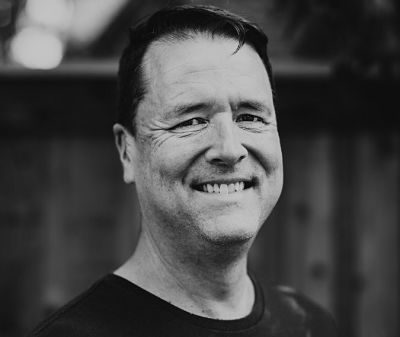
Finding Purpose After a Mormon Faith Crisis by John Dehlin
Presented by John Dehlin at the June 2019 THRIVE Conference in Salt Lake City, Utah. NOTE: If you enjoy(ed) this presentation, please join us November 17th for THRIVEDAY2019. THRIVEDAY2019 will be an entire day…
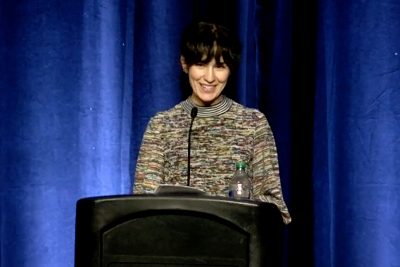
THRIVE Day Presentations
Please enjoy the presentations from THRIVE-Day 2019 held in Salt Lake City, UT on 11/17/2019. 064: John Hamer – Rethinking Spirituality Beyond Mormonism: 065: Lisa Hacking – My Bosom Still Burns: 066: Amber Scorah –…
Stories on this
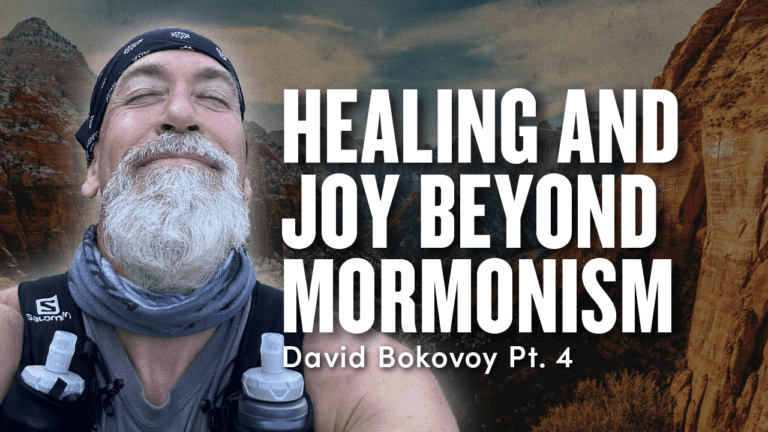 Healing & Joy Beyond Mormonism – David Bokovoy Pt. 4 | Ep. 1878
 Finding Joy After Mormonism w/ Sharon Beesley | Ep. 2079
 Finding Joy After My Mormon Dream Collapsed – Allison Shiffler | Ep. 1929
 1512: Thriving After Mormon Electroshock Torture – Nate Winterton
 What to Offer Your Children After a Faith Shift – Jon Ogden’s THRIVE Story | Ep. 1589
 1229: Wayne Sermon “We Came Here for Each Other” (THRIVEDAY 2019)