Community
Friendship takes hours, not intentions. How people rebuild the community the ward used to supply, and where the existing groups are.
The ward gave you a room full of people every week who knew your name, brought food when you were ill, and would help you move. That is rarer in the wider world than you were told, and losing it is, by the research, the single biggest driver of the harm people feel when they leave a religion. It is also the most fixable.
The unforgiving number
Friendship research puts it at roughly fifty hours of shared time to make a casual friend, ninety to make a friend, and two hundred or more to make a close one. A weekly ninety-minute group produces about seventy-eight hours a year, or about one friend a year. That is why “I’ll find community somewhere” never works and “I go to the same thing every Tuesday” does. Community is a schedule, not a feeling.
What works
- Join one thing that meets weekly and do not miss it for three months. A choir, a climbing gym, a team, a class, a volunteer shift, a book club, a Unitarian congregation. What it is matters less than that it repeats.
- Host. The ward’s secret was that someone always hosted. Sunday brunch, a monthly dinner, a game night. Invite people who do not know each other yet.
- Find the others. People who have left Mormonism understand you without explanation, and for the first year or two that is worth a great deal. THRIVE’s Sunday online group and regional gatherings, Recovering from Religion’s peer groups, the Mormon Stories Facebook community, local ex-Mormon meetups, Sunstone. The help page lists them.
- Do not make it the only community. Groups organised around leaving something can keep you facing backward. Aim for one group of people who get it and two that have nothing to do with Mormonism.
- Keep the ward friends who are actual friends. Some are. Invite them to things that are not church.
- Serve. Mormons are good at showing up for people, and the world needs it. It is also the fastest way to belong somewhere new.
Online
Reddit and Facebook are where most people find each other first. They are good for information and for not feeling alone at 2 a.m., and they are bad for healing if they become the whole diet, because the loudest posts are the angriest. Use them, and notice when they stop helping.
For couples and families
Find things the whole family can belong to that neither of you has to believe in: sports, music, a hiking club, a community theatre. Mixed-faith couples do best when they build shared community outside the Church rather than negotiating the ward forever.
The thing being built
John and a colleague have been designing a network of free, weekly, in-person peer groups and book clubs for people leaving high-demand religion, with a source text and trained facilitators, because nothing like it currently exists. When it launches it will be linked here. Until then, the groups above are real and they meet this week.
From the podcast

THRIVE Retreat – 8/30 – 9/1/2019 in Salt Lake City, UT
Recorded at the THRIVE Retreat, 8/30 – 9/1/2019 in Salt Lake City, Utah. John, Margi, and Natasha facilitate a retreat with ~40 audience members and discuss the following topics: Understanding and Navigating a Religious…

THRIVE Day Presentations
Please enjoy the presentations from THRIVE-Day 2019 held in Salt Lake City, UT on 11/17/2019. 064: John Hamer – Rethinking Spirituality Beyond Mormonism: 065: Lisa Hacking – My Bosom Still Burns: 066: Amber Scorah –…
Stories on this
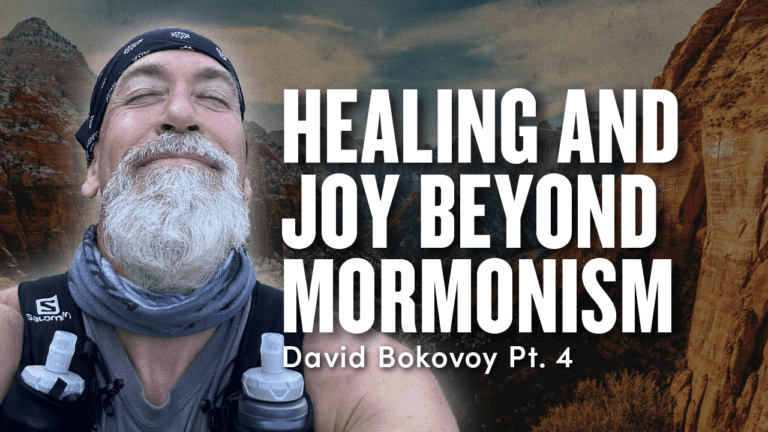 Healing & Joy Beyond Mormonism – David Bokovoy Pt. 4 | Ep. 1878
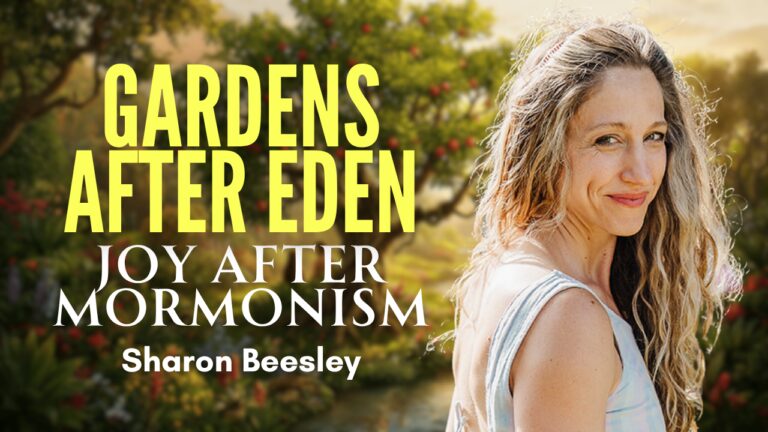 Finding Joy After Mormonism w/ Sharon Beesley | Ep. 2079
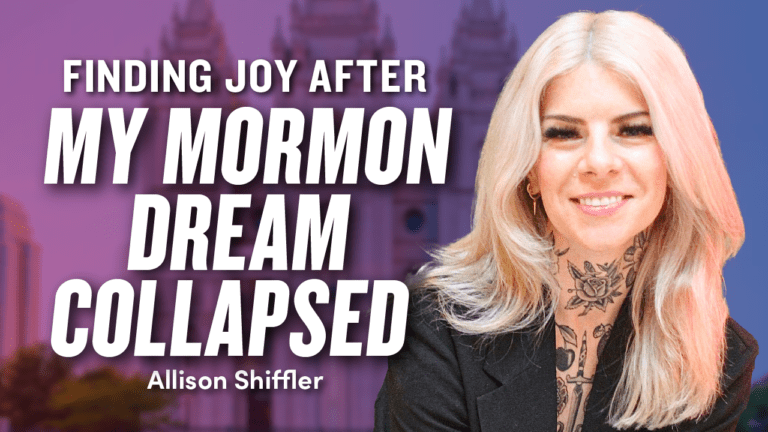 Finding Joy After My Mormon Dream Collapsed – Allison Shiffler | Ep. 1929
 1512: Thriving After Mormon Electroshock Torture – Nate Winterton
 What to Offer Your Children After a Faith Shift – Jon Ogden’s THRIVE Story | Ep. 1589
 1229: Wayne Sermon “We Came Here for Each Other” (THRIVEDAY 2019)