🔍 Understand what is happening
Why faith crises happen
The information is now a search away, the Church's own essays confirmed it, and belief in a high-demand religion is all or nothing. Here is how it comes apart.
It is not a moral failure
The two explanations members are most often given for why people leave, that they wanted to sin or that someone offended them, scored at the very bottom of every study we know of, including the Church’s own. In our 2012 survey of more than three thousand former believers, the top reasons were doctrinal and historical, and the average person listed fifteen separate major issues. Nobody leaves over one thing. Things pile up until belief cannot hold them. Members call that “the shelf breaking”.
Why now
For a hundred and fifty years, the difficult parts of Church history were hard to find and easy to dismiss as anti-Mormon lies. Two things changed. The internet put the primary sources one search away. And from 2013 the Church published the Gospel Topics Essays, which acknowledged, in the Church’s own voice, that Joseph Smith married women who were already married and girls as young as fourteen, that he translated the Book of Mormon with a stone in a hat, that the priesthood ban was not doctrine, and that the Book of Abraham papyri do not say what he said they did. For many members the essays were the beginning of the crisis, because they confirmed what they had been told to disbelieve.
Why it hits so hard
The Church teaches that it is either exactly what it claims or a fraud; President Hinckley said so, and so did Joseph Smith. That framing serves the institution while you believe, and it is devastating when you stop, because it leaves no middle ground. A Catholic can find out unpleasant things about a pope and remain Catholic. A Latter-day Saint who discovers that the First Vision was told four different ways has been taught that the whole edifice rests on that story.
Add that the Church is a high-demand religion. It shaped your Sundays, your underwear, your marriage, your money, your children’s schedules, your friendships, your idea of what happens when you die and who you will be with. When belief goes, all of that is suddenly in question at once. That is why it feels like a bereavement. It is one.
How belief comes apart
For most people it is not a single collapse. There is a first crack, a period of trying to make it fit, usually with apologetics, then a period of research that runs in every direction, then a point where the person notices that they no longer believe and have not for a while. How people come to believe, and how they stop walks through the process the way John and Natasha taught it on the podcast. The map shows the stages after that.
What this means for you
You did not do anything wrong. You did what you were taught to do, which is to seek truth, and you found some that the institution had not prepared you for. The disorientation, the anger and the grief are proportionate to how much you invested, not to any flaw in you. The people who are hardest hit are the ones who were most sincere.
From the podcast
What are the most common causes of a Mormon faith crisis?
In Part 1 of this episode on the most common causes of a Mormon faith crisis, Dr. John Dehlin , Margi Weber Dehlin , and Natasha Helfer Parker discuss the most common causes of a Mormon Faith Crisis. People for whom the…
Stories on this
 400: Top 5 Myths and Truths about Why Committed Mormons Leave the Church
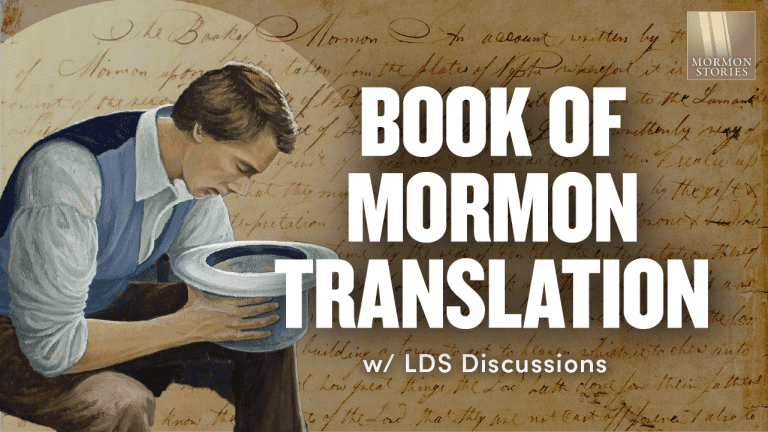 Book of Mormon Translation w/ LDS Discussions – 03 | Ep. 1585
 LDS Bishop Adam and Marlana Hughes – Leaving Mormonism in Tucson, Arizona | Ep. 1360
 Top Mormon Historian Admits Issues Raised in CES Letter – Richard Bushman | Ep. 1934
 Why People Leave the LDS Church and How We Can Help | Ep. 111
 1344: Captain Kidd, Treasure Digging, Joseph Smith, and the Book of Mormon