Ethnic Mormon
I still think of myself as Mormon, even though I’m no longer a member of the LDS church.
I didn’t at first.
I once attempted to yank the plant of Mormonism out of my life, but as I did I felt the entire garden of my life—including many things I had no desire to uproot—coming up with it.

Thus began a now decade-long process of meticulously untangling the roots of what I wanted to keep from the roots of things I wished to remove.
As I worked through this process through the years, I began to realize that I wanted to leave many of the distincly Mormon aspects of my life right where they were. This was confusing as I no longer thought of myself as religious.
In time, however, I came to realize that Mormonism had become something bigger than my religion.
I began to think of it as my ethnicity.
Try this idea on with me.
An ethnicity is a socially defined category of people who identify with each other based on common ancestral, social, cultural or national experience.
I think Mormonism meets most of these criteria, with or without its religious aspects.
Mormonism is, for example, one of the longest-standing varietals of American pioneering. Our people settled large portions of the American west. My children are direct descendants of the people that settled some of those lands.
Mormonism has a distinct sociology. We are characterized by our tendency to quickly intertwine our fates and give each other a leg up in an often difficult world. We plunge optimistically into the unknown—dreams of a better world dancing in our heads—and push (often together, often with great care for one another and the next generation) through the ups and downs of life. We sincerely call each other brother and sister and are quick to treat each other with a love and familiarity typically reserved for family.
Mormonism has a distinct culture. We are dripping with our own linguistic, culinary, artistic, and behavioral idiosyncrasies. I like to joke about the speed with which I can identify other Mormons in a big crowd, and just how quickly we gravitate to each other.
These characteristics have undoubtedly cured in the influence of the religious aspects of Mormonism, just as the characteristics of my older ethnic influences (Scottish/Irish/Italian) cured in their religious influences, but that doesn’t mean that Mormon characteristics belong exclusively to Mormonism’s religions, any more than my Italian characteristics belong to the Catholic church.
If anything, I’ve found my preferences for the hereditary, sociological, and cultural aspects of Mormon life enduring–and even growing?–well beyond my departure from the LDS church and Mormonism’s theology.
And these preferences still bond me in deep ways to other Mormons … whether they participate in one of its religions or not.
Examples include:
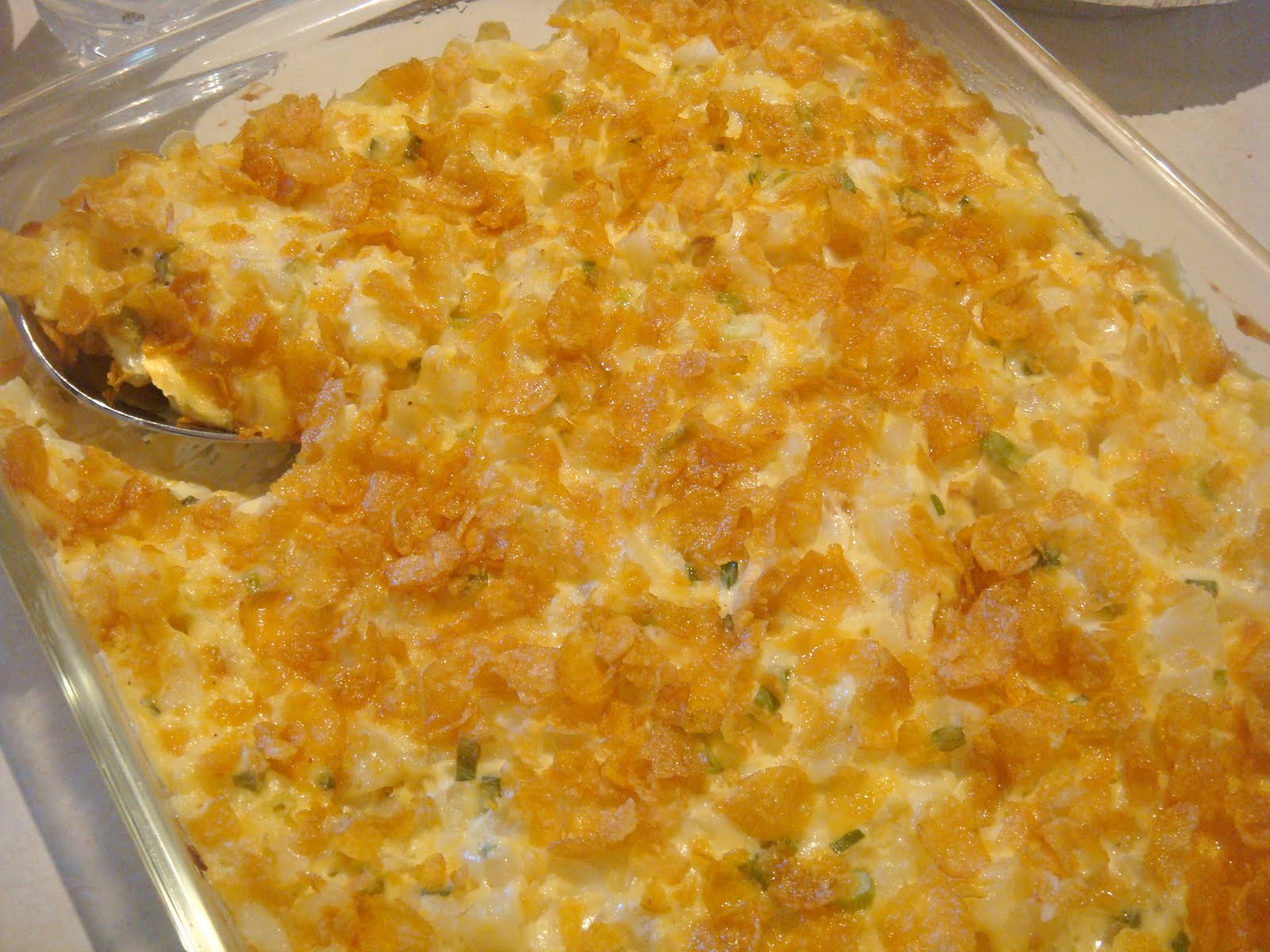
- Ham, funeral potatoes, frog-eye salad, homemade rolls, Jell-O, and casseroles.
- The warmth I feel recalling the countless experiences I’ve had along life’s trail with other Mormon pioneers (nearly 1/2 of which have now happened outside of the LDS church).
- The joyful feelings I still experience when I listen to Lex De Azevedo’s Variations on a Sacred Theme.
- The goofy, distinctly Mormon antics of my kids and their friends.

- The reassurance I feel when I’m in the company of other Mormons (including many active LDS friends and family members).
- The inspiration I feel when I contemplate my Mormon pioneering heritage, and how grateful I am for the way it inspires me to continue pioneering in my life today.
Not long ago I walked through a neighborhood south of BYU with a good friend who is still active in the LDS church, and we reminisced about times nearly 2 decades ago when we were freshly married, pushing infants in strollers through those streets. We looked at each other at one point, tears in our eyes, and discussed how we still share a great deal. We have a shared history and many of our goals for the future remain largely the same.
That’s not to say we aren’t different in some fundamental respects. But we still feel an undeniable kindred connection. We’re part of a larger family.
A Mormon family.
An ethnic family?
Perhaps not unlike orthodox, conservative, and reform Jews?

A decade into my Mormon Transition, this is how I’ve come to see my Mormon family, friends and neighbors: LDS, fundamentalist, ex-Mormon, Post-Mormon, or just Mormons in transition.
Mormons.
Like me.
Originally published on mormontransitions.org.